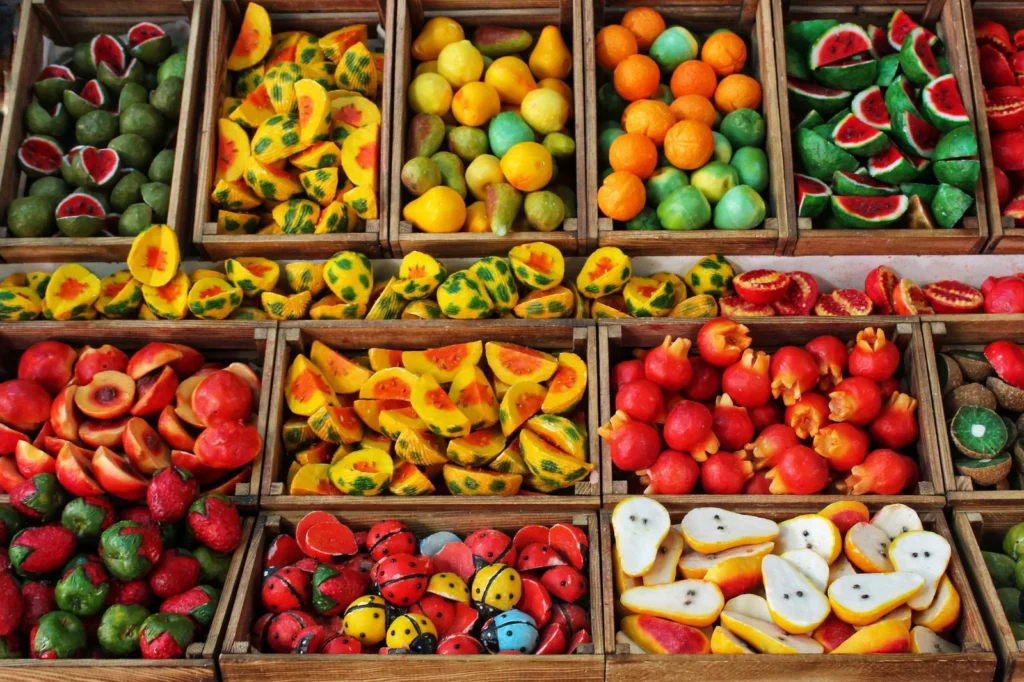
A good fruit leather recipe turns fresh or frozen fruit into a chewy, sliceable snack without any added sugar or preservatives. You puree the fruit, spread it thin, and dry it at a low temperature until the sheet peels cleanly from the tray. This version walks through the exact consistency, timing, and storage that keep the strips from turning sticky or brittle.
The method works with almost any ripe fruit you have on hand, so it's a practical way to use up a surplus from the market. You control the sweetness by choosing naturally sweet fruit rather than pouring in syrup. Once you see how the sheet behaves at each stage, you can repeat the process with different flavors every week. If you enjoyed this, our yummybites pro patterns is worth trying next. Making this fruit leather at home is surprisingly straightforward once you know the key steps.
Why You'll Love These Fruit Leather
- One sheet pan makes roughly ten to twelve snack strips from two cups of fruit.
- No dehydrator required — a standard oven on low heat does the job.
- You skip the added sugars found in most store bought fruit rolls.
- The texture stays pliable for weeks when wrapped and stored correctly.
- Kids can help spread the puree and choose the fruit combinations.
Ingredients You'll Need
- 2 cups fresh strawberries, hulled and roughly chopped — provides the base sweetness and red color.
- 1 cup apple sauce, unsweetened — adds body so the sheet doesn't crack when peeled.
- 1 tablespoon lemon juice — keeps the color bright and balances the sweetness.
- 1 teaspoon vanilla extract — rounds out the flavor without adding sugar.
- 1 tablespoon chia seeds — helps the puree set into a cohesive sheet.
Ingredient Substitutions
Strawberries: Replace with an equal weight of pitted cherries for a deeper, tart-sweet flavor. Cherries release more juice, so simmer the puree 5 minutes before spreading to thicken it. The finished sheet will be darker and slightly firmer than the strawberry version. The fruit leather works well for weeknight cooking when time is limited.
Apple sauce: Use an equal volume of mashed ripe banana if you want a thicker, more custard-like base. Banana browns faster, so add an extra teaspoon of lemon juice to slow oxidation. Expect a softer strip that needs 30 minutes longer in the oven to dry.
Chia seeds: Swap for 1 tablespoon ground flaxseed to achieve the same binding effect. Flax sets up slower, so let the spread rest 10 minutes before baking. The texture will be a touch more delicate and may tear if rolled too tightly.
Lemon juice: Replace with lime juice in the same amount for a sharper citrus note. Lime pairs well with tropical fruit swaps like mango. The color retention is similar, but the flavor reads brighter at the end. For another easy option, check out our home.
Step-by-Step Instructions
- Heat the oven to 180°C / 350°F then lower to medium-low heat equivalent of 90°C / 195°F after preheating; line a rimmed half-sheet pan with parchment.
- Blend the strawberries, apple sauce, lemon juice, vanilla, and chia seeds until completely smooth, about 45 seconds in a standard blender.
- Pour the puree onto the parchment and spread with an offset spatula to an even 3 mm thickness across the whole pan.
- Dry in the oven for 3 hours, rotating the pan once at the 90 minute mark so the edges don't crisp faster than the center.
- Check doneness by lifting a corner: the sheet should be just set edges and not tacky to a clean finger.
- Cool on the counter 25–30 minutes, then peel from the parchment and cut into 2 cm wide strips with scissors.
Pro Tips
Spread the puree thinner at the corners than the center so the whole sheet finishes drying at the same time. A uniform 3 mm layer prevents brittle edges while the middle stays gummy.
Use an offset spatula rather than a spoon to avoid ridges that dry unevenly and tear during peeling. Smooth strokes from the center outward give the cleanest release from the paper.
If your oven runs hot, crack the door with a wooden spoon to vent moisture and keep the temperature near 90°C / 195°F. Detailed low heat drying techniques are covered by oven drying guides for fruit.
Roll each strip in a small piece of parchment before storing so they don't fuse into a block. This also makes them easy to toss into a lunchbox without sticking.
Common Mistakes to Avoid
Skipping the chia or flax binder leads to a sheet that crumbles instead of bending. The seeds form a gel that holds the fruit solids together through the long dry.
Spreading the puree too thick means the center stays wet while the edges burn. Keep the layer at 3 mm or less and check the thin areas first for doneness.
Storing warm strips in a sealed container traps steam and turns the leather sticky within a day. Always cool to room temperature, then wrap, as noted in the fruit dip storage notes.
Serving Suggestions
Pair a strip with a smoothie bowl for a balanced breakfast that adds a chewy element next to the cold puree. The contrast works well for kids who want something to hold.
Roll the strips into a lunchbox next to nuts and cheese for a trail style snack. The fruit leather recipe produces a tidy, non-perishable item that survives a few hours unrefrigerated better than fresh fruit.
Cut the sheet into small squares and use them as a topping for plain yogurt. The mild strawberry note complements the tang without the sugar load of granola.
Storage and Reheating
Wrap individual strips in parchment and place them in an airtight container; they keep at room temperature for up to 3 days in a cool pantry. For longer holding, refrigerate the container for up to 3 weeks.
This fruit leather recipe freezes cleanly for freeze for up to 2 months if the strips are separated by paper. Thaw at room temperature 10 minutes before eating; no reheating is needed since it's eaten cold.
Never leave cut strips on the counter beyond 2 hours in warm weather because the fruit sugars attract moisture and mold. If the surface turns glossy and tacky, discard rather than risk spoilage. You might also like our beef birria low.
Recipe Variations
Mango Coconut Version
Replace the strawberries with 2 cups diced ripe mango and add 2 tablespoons unsweetened coconut milk to the blend. The result is a tropical strip with a softer bite that dries in about the same time. Coconut adds a faint richness without overpowering the fruit.
Berry Mixed Batch
Use 1 cup blueberries and 1 cup raspberries instead of strawberries for a deeper purple sheet. Berries contain more seeds, so strain the puree through a sieve if you want a smoother mouthfeel. The flavor is tart and pairs well with the breakfast shot in the morning.
Spiced Apple Strip
Swap the strawberries for 2 cups unsweetened apple puree and add 1 teaspoon cinnamon plus a pinch of nutmeg. This version dries slightly faster due to the lower water content and yields a firm, lunchbox friendly strip. The warmth of the spice makes it a good fall alternative.
Triple Fruit Blend
Combine 1 cup strawberries, 1/2 cup peach, and 1/2 cup kiwi for a layered flavor that stays bright from the kiwi acid. The mix needs the full 3 hours because kiwi adds moisture. You get a striped color when spread in loose rows rather than fully blended.