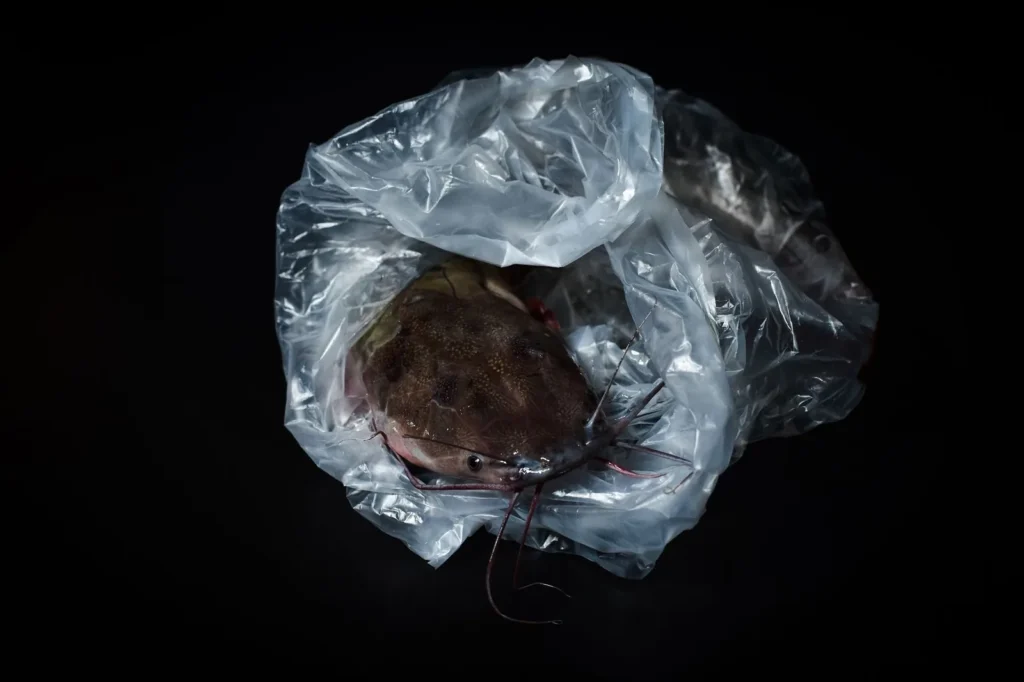
A good fried catfish recipe starts with fresh fillets and a seasoned cornmeal coating that crisps without turning greasy. Catfish has a mild, slightly sweet flesh that takes well to a short buttermilk soak before it hits the oil. This version walks through the exact temperatures and timing so you get a shatteringly crisp crust and a flaky interior every time.
The method below uses a shallow pan fry rather than a deep fryer, which keeps the oil volume manageable on a stovetop. You'll season the dredge with paprika and cayenne so the flavor reads clearly through the cornmeal. Weighing the fillets and controlling the heat are the two details that separate a soggy result from a clean, golden one. If you enjoyed this, our steak marinade low is worth trying next. Making this fried catfish at home is surprisingly straightforward once you know the key steps.
Why You'll Love These Fried Catfish
- Cornmeal crust stays crisp for 20 minutes after frying, even in humid kitchens
- Buttermilk soak keeps the flesh tender and neutralizes any muddy note in farm-raised fish
- Shallow pan method uses under a quart of oil and cleans up faster than a fryer
- Each fillet cooks in under 6 minutes so a full batch is ready before sides cool
Ingredients You'll Need
- 4 catfish fillets (about 6 oz each, 1/2 inch thick) — fresh or fully thawed
- 2 cups buttermilk — acts as the tenderizing soak and helps the dredge stick
- 1 cup fine yellow cornmeal — gives the crisp, sandy crust
- 1/2 cup all-purpose flour — binds the cornmeal to the fillet
- 2 tsp paprika — adds color and mild earthy sweetness
- 1 tsp cayenne pepper — brings clean heat without bitterness
- 1 tbsp kosher salt — seasons the crust from the inside out
- 1/2 tsp black pepper — rounds the spice mix
- 3 cups peanut oil — high smoke point for steady frying
- Lemon wedges — for serving
Ingredient Substitutions
Buttermilk: Replace with 2 cups whole milk plus 2 tbsp lemon juice, rested 10 minutes before use. The acid still tenderizes the fish but the coating will be slightly less tangy and a bit looser on the fillet. You may need to press the cornmeal on more firmly to get full coverage. The fried catfish works well for weeknight cooking when time is limited.
Fine yellow cornmeal: Swap for an equal volume of white cornmeal for a lighter color and slightly finer crunch. White cornmeal browns a touch faster, so drop the oil temperature by 10°F and watch the first fillet closely. The texture stays crisp but reads less rustic on the plate. Storing leftover fried catfish correctly keeps it tasting good for days.
Peanut oil: Use refined sunflower oil in the same volume if allergies are a concern. Sunflower has a similar smoke point and neutral taste, though it costs more per quart. The crust color and timing stay identical with no flavor tradeoff. For the best results with this fried catfish, read through all the steps before starting.
All-purpose flour: Replace with an equal weight of rice flour for a gluten-free dredge that crisps even harder. Rice flour absorbs less moisture, so the crust stays brittle longer after frying. The only change is a slightly glassier surface rather than a matte finish. For another easy option, check out our recipe keys.
Step-by-Step Instructions
- Place the 4 catfish fillets in a shallow dish and pour 2 cups buttermilk over them. Rest at room temperature for 30 minutes so the acid relaxes the proteins.
- Mix 1 cup cornmeal, 1/2 cup flour, 2 tsp paprika, 1 tsp cayenne, 1 tbsp salt, and 1/2 tsp black pepper in a wide pan. Stir until the color is even.
- Heat 3 cups peanut oil in a 12-inch cast iron skillet over medium-high heat until a thermometer reads 350°F and a pinch of dredge sizzles on contact.
- Lift one fillet from the buttermilk, let excess drip for 2 seconds, then press both sides into the dredge until fully coated. Shake off loose meal.
- Slide the fillet into the oil away from you and fry 3 minutes per side until the crust is golden and crispy and the flesh flakes at the center.
- Move the cooked fillet to a wire rack over a sheet pan, not paper towels, so steam escapes and the bottom stays crisp. Repeat with remaining fillets, checking oil stays near 350°F.
Pro Tips
Keep the oil between 340°F and 360°F with a clip thermometer; a drop below 340F greases the crust within seconds. For a deeper look at temperature control, see frying techniques from The Kitchn.
Dry the fillets on a rack for 5 minutes after the buttermilk soak so the dredge adheres in a thin, even layer. A wet surface pushes the cornmeal off in the oil and leaves bare spots.
Use a wire rack instead of paper towels when you rest the fish so the bottom crust stays rigid. Towels trap steam that softens the meal within a minute.
Cut fillets to a uniform 1/2-inch thickness before dredging so every piece finishes in the same 6-minute window. Uneven pieces leave you with one overcooked edge and one raw center.
Common Mistakes to Avoid
Crowding the skillet drops the oil temperature below 320°F and the crust soaks instead of crisps. Fry two fillets at a time in a 12-inch pan and let the heat recover between batches.
Skipping the buttermilk rest leaves the cornmeal loose and the flesh flat in flavor. The short soak is what binds the coating and seasons the meat.
Reusing oil past its third catfish batch builds a muddy flavor and lowers the smoke point fast. Strain and discard once it looks amber or smells fishy.
Serving Suggestions
Plate the fillets with lemon wedges and a side of creamy pasta if you want a rich contrast to the crisp crust. The acid from the lemon keeps each bite from feeling heavy.
A simple slaw of shredded cabbage and vinegar cuts the oil on the palate and adds crunch. Serve the catfish on a warmed plate so the crust holds its snap while people sit down.
Storage and Reheating
Refrigerate leftovers in an airtight container for up to 3 days and never leave cooked fillets out beyond 2 hours. The crust softens in the fridge but reheats cleanly in a 400°F oven.
To reheat, place fillets on a rack and bake at 400°F for 8 minutes until the internal temperature reaches 165°F. Microwaving steams the meal and leaves it chewy, so skip that method.
This dish does not freeze well because the cornmeal coating turns chalky after thawing. Cook only what you will eat within three days for the best texture. You might also like our recipe cuisines.
Recipe Variations
Blackened Style
Replace the cayenne with 2 tbsp of a purchased blackening blend and sear the dredged fillets in 2 tbsp oil over high heat for 2 minutes per side. You get a dark, spicy crust with a smoky note rather than a pale golden one.
Oven Crisped
After dredging, bake the fillets on a oiled sheet at 450°F for 12 minutes, flipping once at 6 minutes. The crust stays crisp with 80% less oil, though it lacks the uneven crunch of pan frying.
Beer Batter Version
Swap the buttermilk for 1 cup cold lager mixed into the dry ingredients to form a thin batter. Dip fillets and fry at 360°F for 4 minutes per side for a puffy, pale crust that splits when you cut in.
Herb Crust
Stir 2 tbsp dried thyme and 1 tbsp dried oregano into the cornmeal mix for a savory, woodsy note. The herbs brown fast, so watch the first fillet and lower heat by 10°F if the specks darken too quick.