History Easy Steak Marinade Recipe
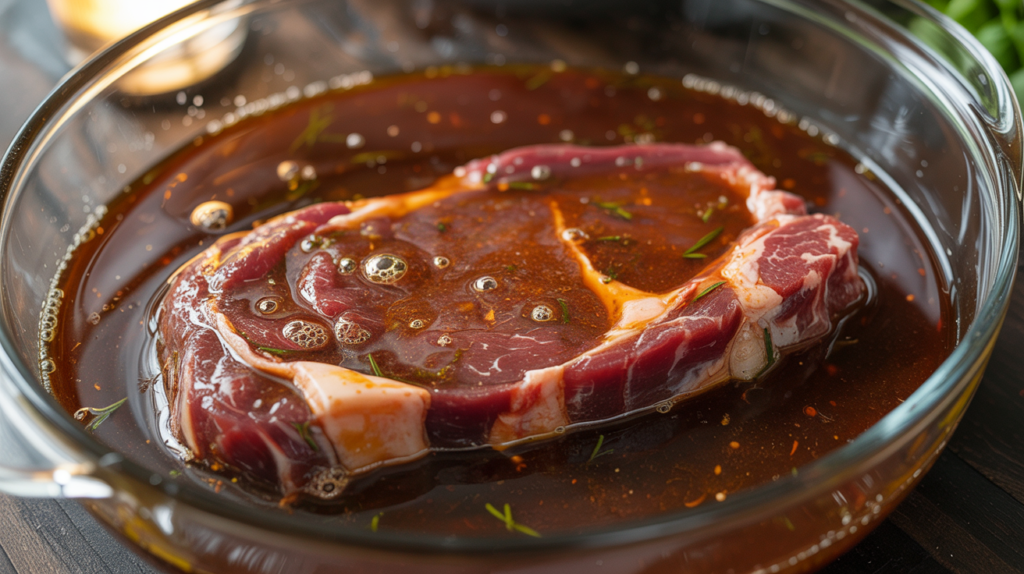
The act of soaking meat in a flavorful liquid, or marinade, is a culinary technique that dates back thousands of years. Early marinades, often based on brine or acidic wine, were primarily used for preservation and tenderization.
Before modern refrigeration, the acidic base helped keep meat fresh and the enzymes in fruits and vegetables (like papaya or pineapple) were used to naturally soften tougher cuts.
The Easy Steak Marinade concept we use today has evolved from these roots, prioritizing two things: maximum flavor infusion and reliable tenderizing power. It’s less about preservation and all about deliciousness.


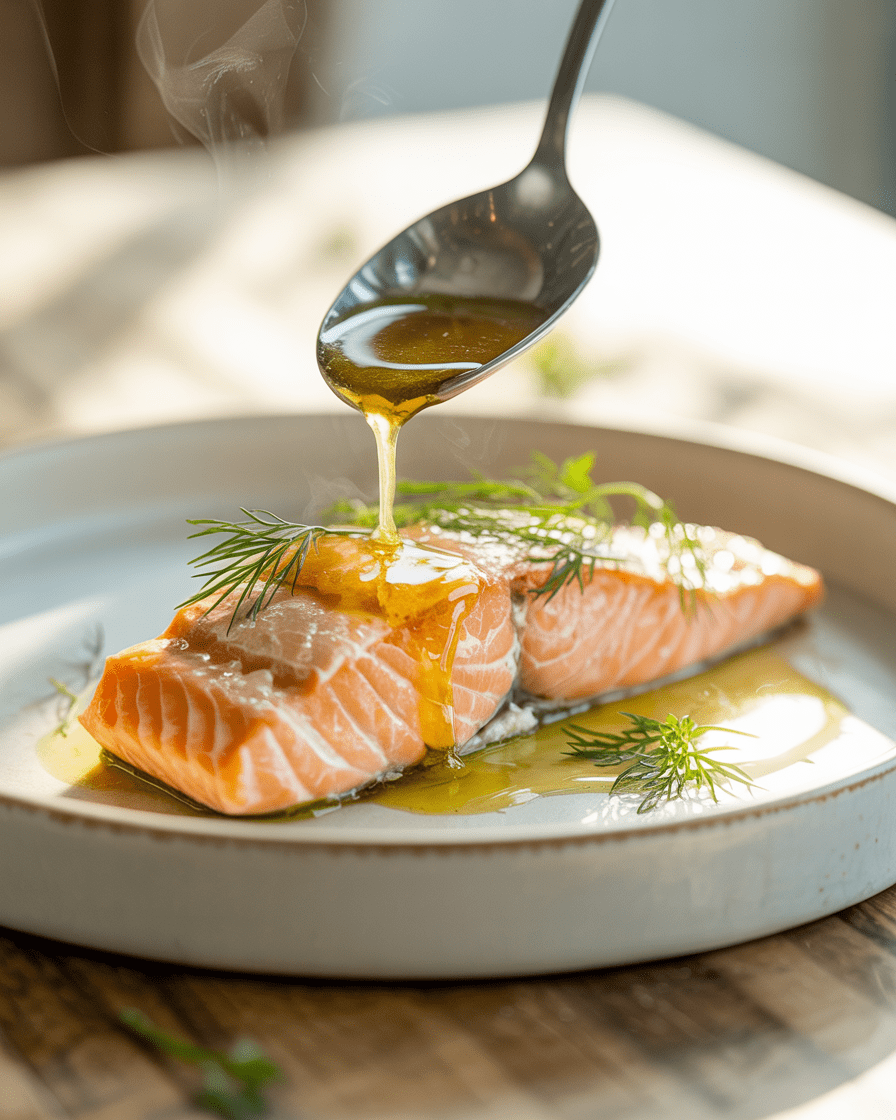


This recipe represents the modern ideal: a quick, simple blend that elevates even budget-friendly cuts of beef into a tender, rich, and unforgettable steak.
Best Ingredients for Easy Steak Marinade
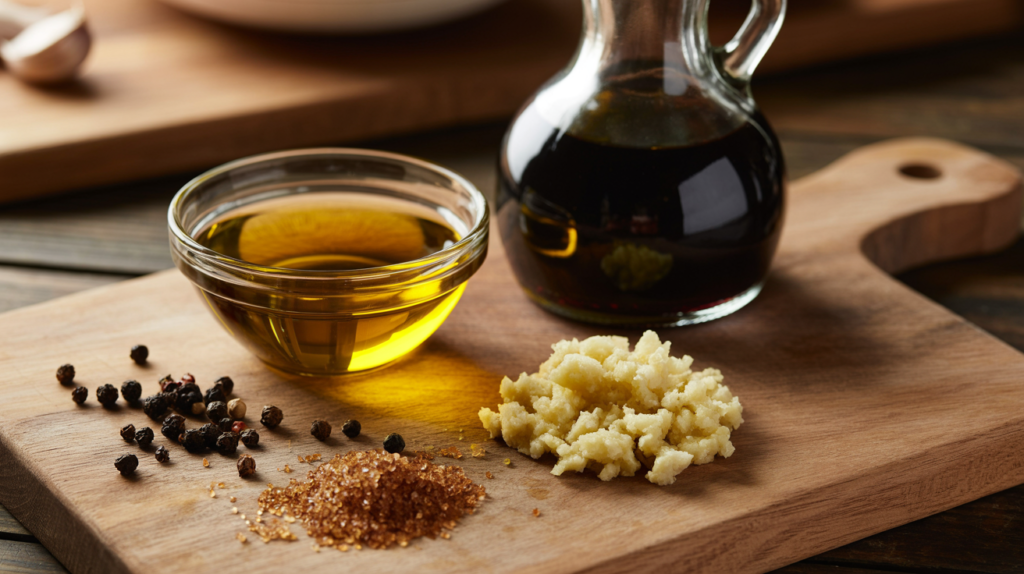
A truly Easy Steak Marinade must contain three essential components to ensure success: oil, acid, and seasoning. Each plays a critical role in transforming the steak.
The oil (usually olive oil or vegetable oil) is crucial. It acts as a vehicle, carrying the fat-soluble flavors deep into the meat while preventing the steak from sticking to the grill.
The acid (like vinegar, Worcestershire sauce, or citrus juice) is the tenderizer. It works by partially breaking down the muscle fibers on the surface of the meat, resulting in a more tender steak.
The seasoning is where the character is built. Fresh garlic, black pepper, and a blend of savory herbs are key to creating the rich, deep flavor profile that defines a truly great easy steak marinade.
Finally, always add a touch of sweetness, usually from brown sugar or honey. This helps promote a beautiful, caramelized crust on the steak when it hits the hot grill.
Taste & Texture Highlights
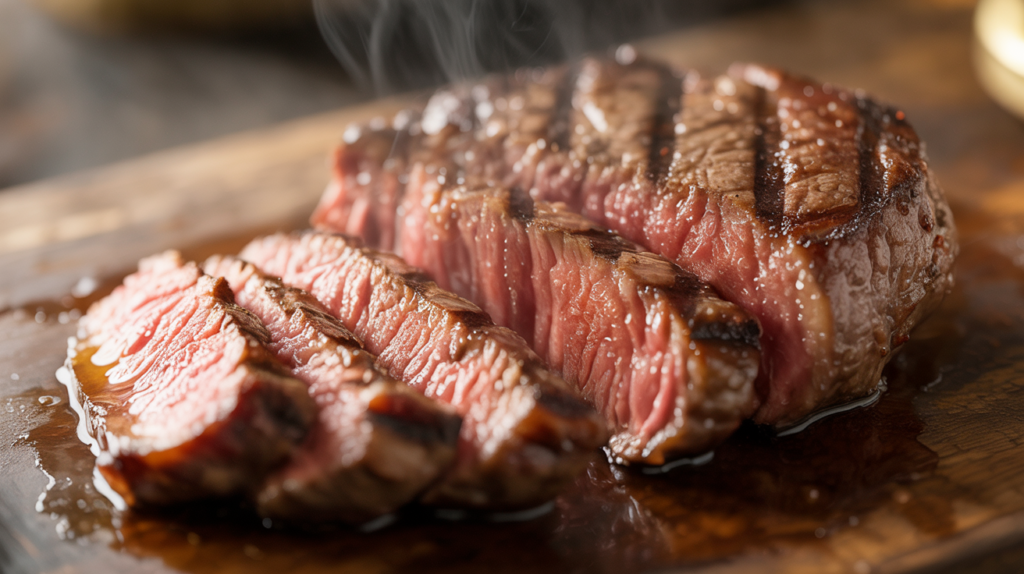
The impact of a great Easy Steak Marinade is evident in both the flavor penetration and the improved texture of the final cooked steak.
When marinated properly, the steak’s exterior develops a deeply savory, aromatic crust from the caramelized sugars and herbs. The flavor is rich, complex, and perfectly balanced.
The key textural change is tenderization. The acid in the marinade gently softens the muscle fibers, ensuring that even a less expensive cut of beef is moist and easy to chew.
You will taste layers of flavor: the bold, pungent garlic, the savory depth of the umami element (often soy sauce or Worcestershire), and the earthy notes of the dried herbs.
The final cooked result is a steak that is juicy inside and incredibly satisfying, a direct benefit of using a high-quality, easy steak marinade.
Flavor Combinations That Work
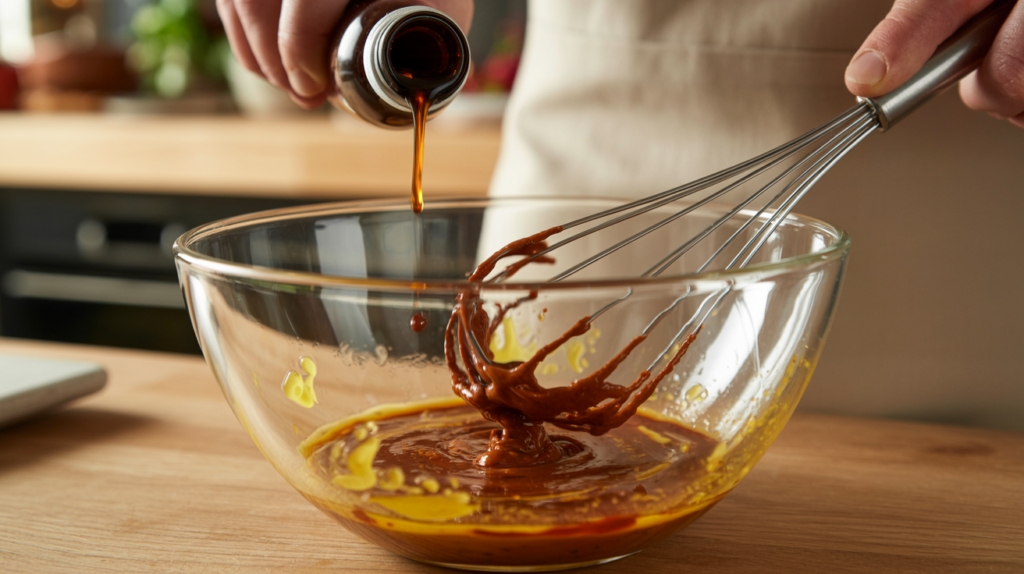
The base of this Easy Steak Marinade is versatile enough to allow for incredible experimentation, catering to every palate from smoky to spicy.
For a smoky, robust flavor, mix in a teaspoon of smoked paprika or a dash of liquid smoke. This mimics the long-cooked flavor of true barbecue.
To give your steak an Asian-inspired twist, swap out some of the Worcestershire for toasted sesame oil and a generous dash of fresh ginger. This results in a rich, umami-packed marinade.
If you prefer a vibrant, herbaceous finish, add a spoonful of finely chopped fresh rosemary and thyme. These woody herbs cling beautifully to the meat and withstand the high heat of grilling.
For those who crave heat, a few dashes of sriracha or finely minced jalapeño can be whisked into the marinade. This delivers a spicy kick that is balanced by the savory base.
Health Benefits of Easy Steak Marinade
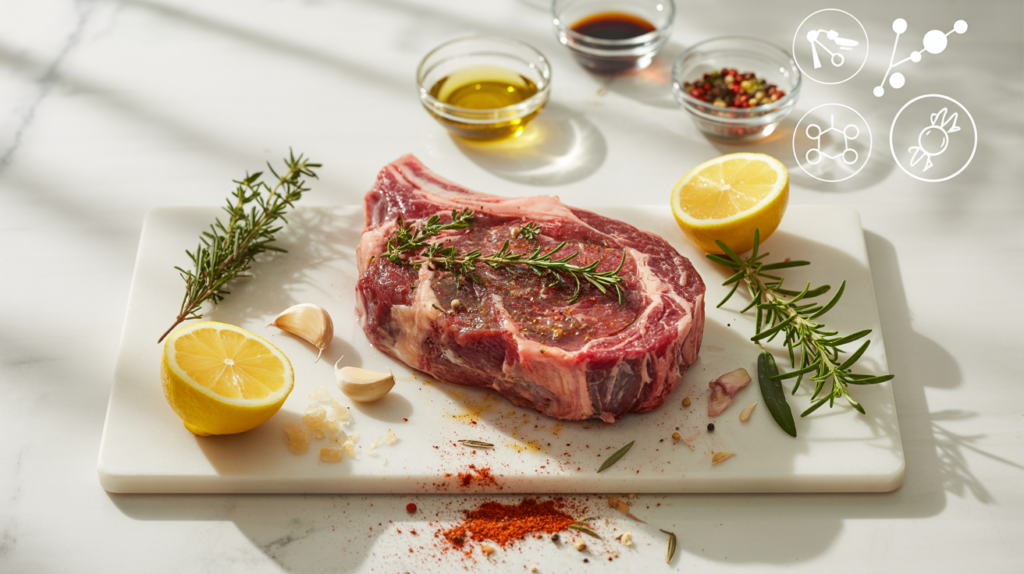
While a marinade’s primary job is flavor, using an Easy Steak Marinade can also contribute positively to the final health profile of your meal.
When grilling meat, marinades can help reduce the formation of potentially harmful compounds (heterocyclic amines or HCAs) that occur at high heat. The antioxidants in the herbs and acid act as a protective barrier.
By using an easy steak marinade, you can choose leaner cuts of steak that might otherwise be tough, making them palatable. This allows you to prioritize high-quality, lean protein intake.
Many marinades include ingredients like fresh garlic and herbs, which are natural sources of antioxidants and micronutrients, subtly boosting the overall nutritional value of the steak.
The use of acid also ensures that the steak stays wonderfully moist, eliminating the need for excessive added fats during the actual cooking process.
Nutrition Facts & Calories
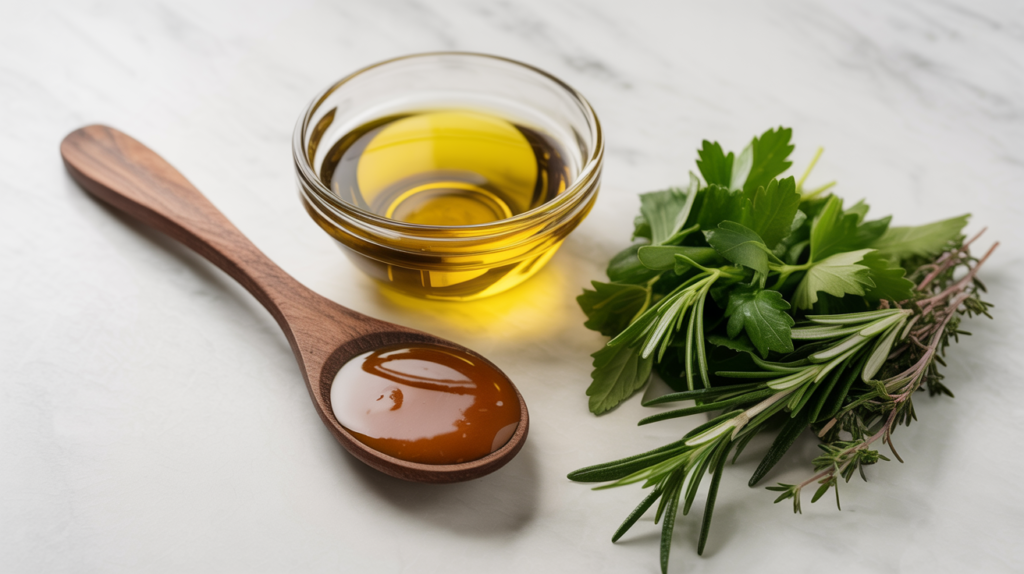
The nutritional contribution of an Easy Steak Marinade itself is minimal, focusing on flavor and texture rather than adding significant calories.
The majority of the calories and nutritional content in the final meal will come directly from the cut of steak you choose and the accompanying sides.
The small amount of oil used in the marinade is balanced by the zero-calorie additions like vinegar, herbs, and spices.
However, the marinade is a great way to infuse key minerals. For example, using soy sauce or Worcestershire adds a small amount of sodium and Potassium.
Specific, detailed nutritional information with exact vitamin and mineral contents is provided in the comprehensive recipe card. The main goal of this marinade is to elevate the steak’s taste, not its caloric density.
Quick Tips for Making Easy Steak Marinade
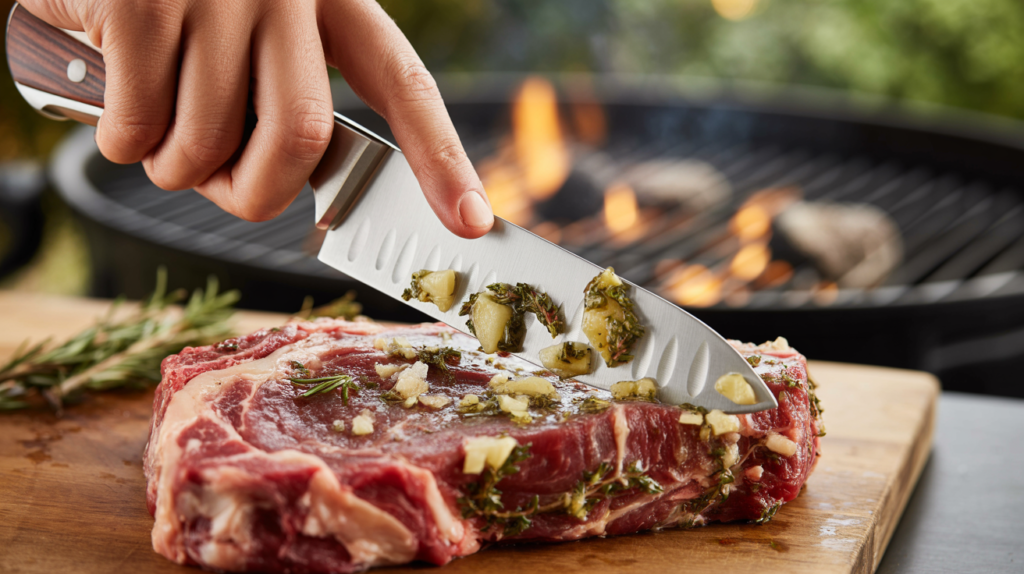
Creating the perfect Easy Steak Marinade is simple, but achieving optimal results requires attention to a few key tenderizing and infusing secrets.
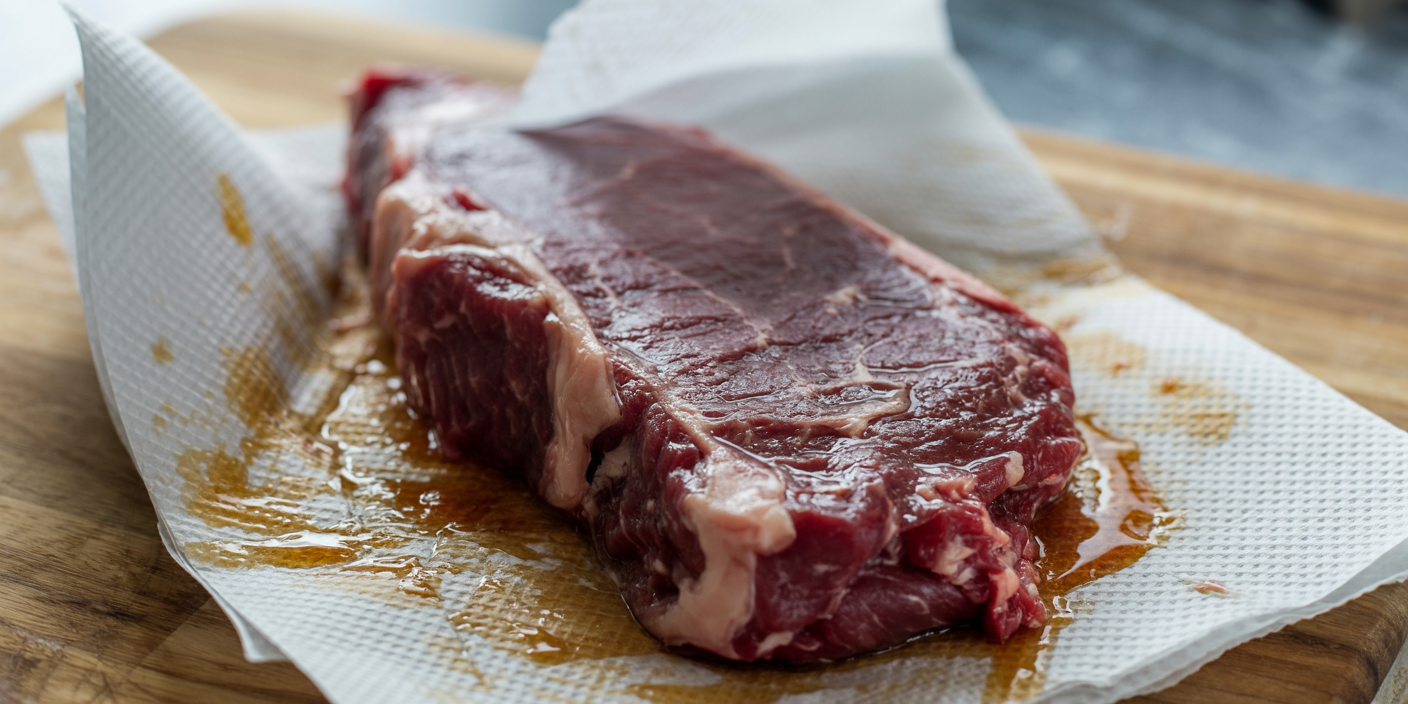
Always pat your steak dry before placing it in the marinade. Excess surface moisture can inhibit the absorption of the flavors into the meat.
Ensure you use a non-reactive container—a glass bowl or a sealed plastic bag is ideal. Acids in the marinade can react with metal containers, which can impart an off-flavor.
Don’t over-marinate! For most common cuts of beef, 4 to 12 hours is perfect. Marinating for too long, especially with a strong acid, can actually start to cook the surface of the meat, making it mushy.
Before cooking, scrape off any large chunks of garlic or herbs from the steak. These small pieces tend to burn quickly on the grill or in a hot pan, creating a bitter taste.
Serving Suggestions
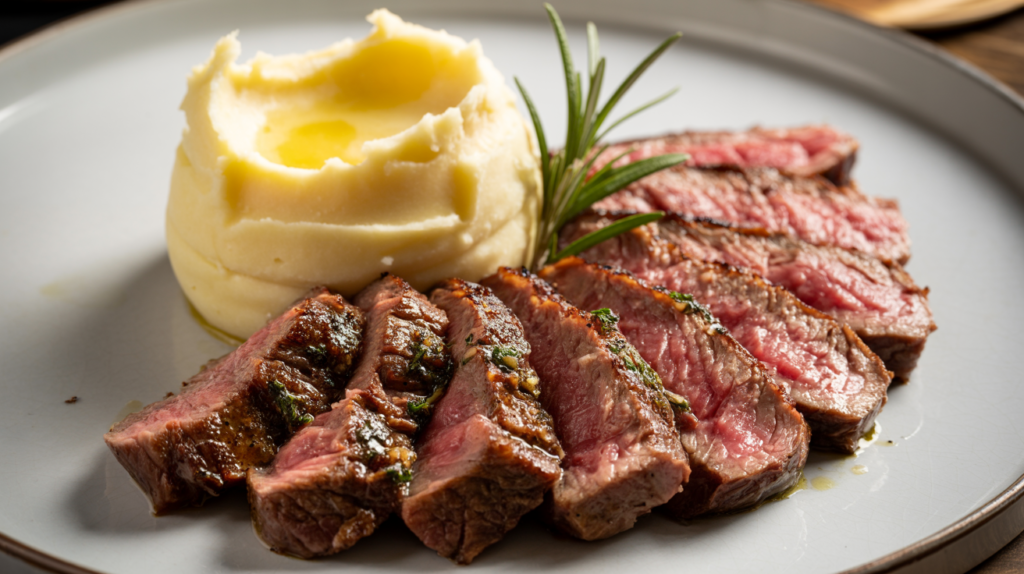
A perfectly marinated and cooked steak deserves equally delicious and complementary accompaniments to create a memorable meal.
The classic pairing is a generous helping of creamy mashed potatoes or a side of crispy, oven-roasted potatoes. The richness of the potato balances the savory, tender steak.
For a lighter option, serve the steak with a large fresh arugula salad dressed in a simple vinaigrette. The peppery greens offer a clean contrast.
Steak is also fantastic sliced thinly and served atop a pile of sautéed mushrooms and onions, which soak up the pan juices beautifully.
Always reserve the final flourish for a flavorful sauce or butter melt on the steak. A simple garlic herb butter melting over the hot steak is pure perfection.
Perfect Pairings / Meal Ideas
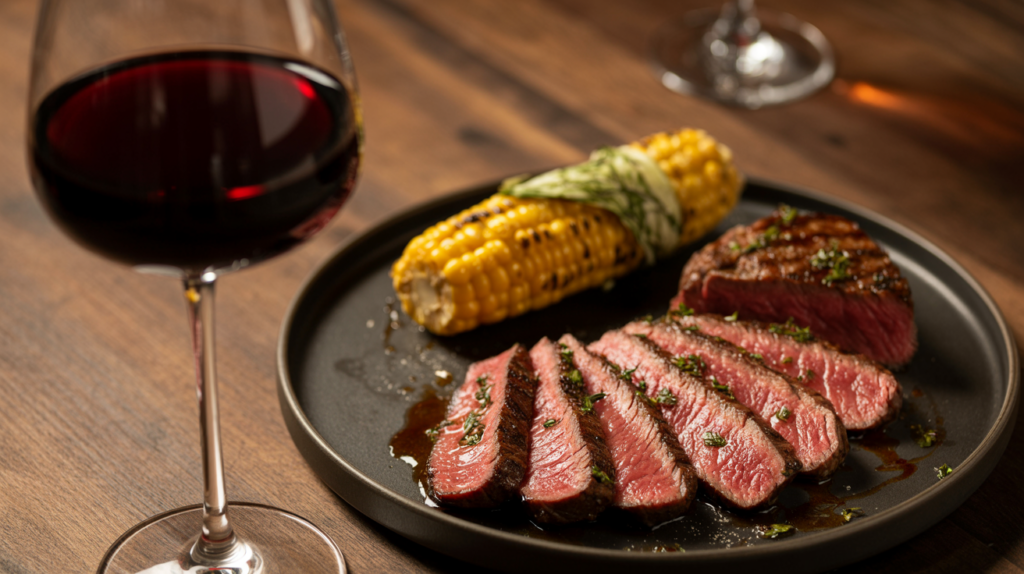
The bold, savory flavor delivered by the Easy Steak Marinade pairs best with drinks and sides that offer a robust or clean contrast.
The quintessential pairing is a bold red wine, such as a Cabernet Sauvignon or a Malbec. The tannins in the wine cut through the richness of the beef perfectly.
For a non-alcoholic option, a dark, rich creamy soda or a sparkling cranberry juice provides a sweetness that complements the savory easy steak marinade.
As a side, consider a homemade sauce. If you want to elevate your meal with a rich, classic white sauce perfect for dipping or pouring over potatoes, you might want to try our Béchamel Sauce Recipe here: Béchamel Sauce Recipe .
Pair the steak with a side of creamy, garlicky sautéed spinach or some smoky grilled corn on the cob for a classic, satisfying dinner.
Presentation Tips
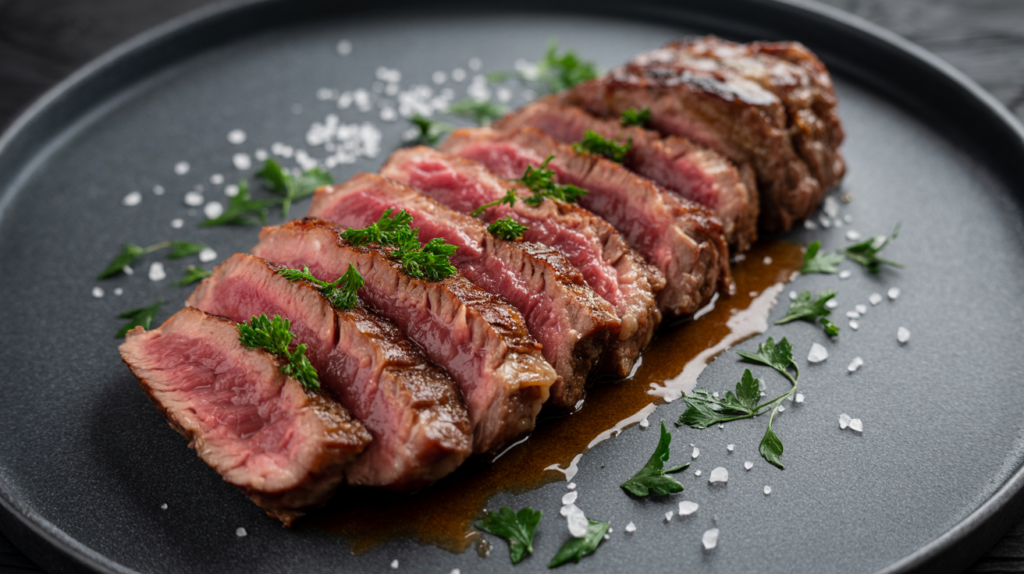
A great steak is beautiful on its own, but a few simple presentation tricks will make your marinated steak look like it came from a five-star restaurant.
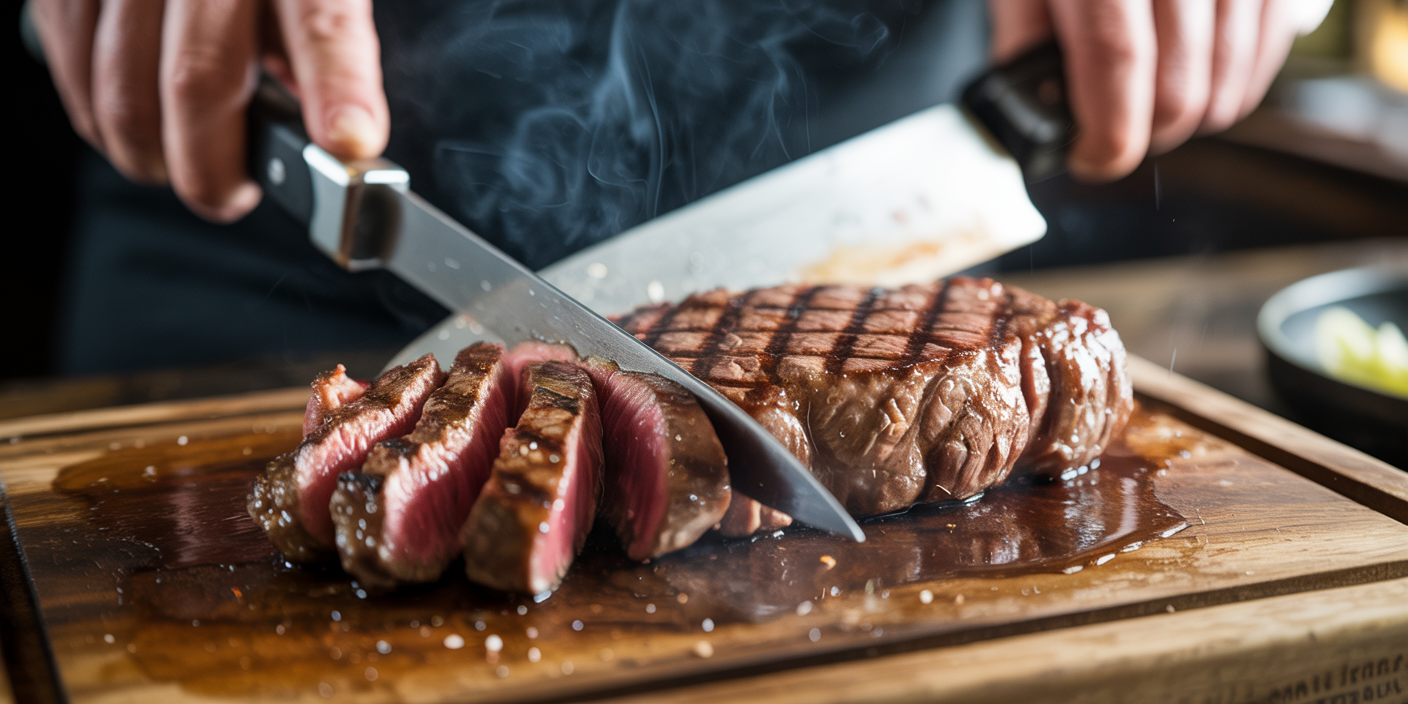
Always rest the steak for 5 to 10 minutes after cooking before slicing it against the grain. This preserves the juices, making every slice moist and glistening.
Slice the steak before serving (if applicable) and fan the pieces slightly on the plate. Drizzle any remaining plate juices over the top.
Garnish the finished steak with a final sprinkle of flaky sea salt (like Maldon) and some freshly chopped parsley for a pop of color and texture.
For a dramatic finish, serve the steak with a small dollop of garlic butter melting visibly on top of the hot slices.
Pro Tips & Fun Facts
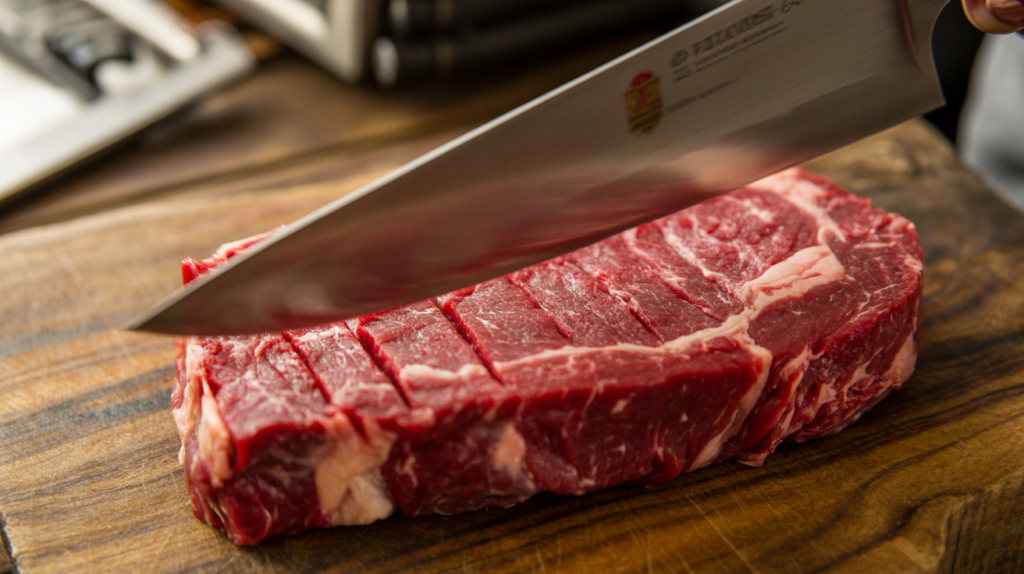
Did you know that you can use residual marinade to make a pan sauce? Just boil it aggressively for a few minutes to cook out any bacteria and reduce it to a thick, flavorful glaze.
A crucial professional tip for tenderness: If you are short on marinating time, score the surface of the steak lightly with a sharp knife before adding the marinade. This allows the flavors to penetrate faster.
The secret ingredient in many famous restaurant marinades is a tiny bit of baking soda. It’s a powerful alkali that tenderizes the steak’s surface very quickly. Use it sparingly!
Always allow the steak to come to room temperature (about 30 minutes) before grilling or searing. This ensures more even cooking and a better sear.
Why You Should Try Easy Steak Marinade
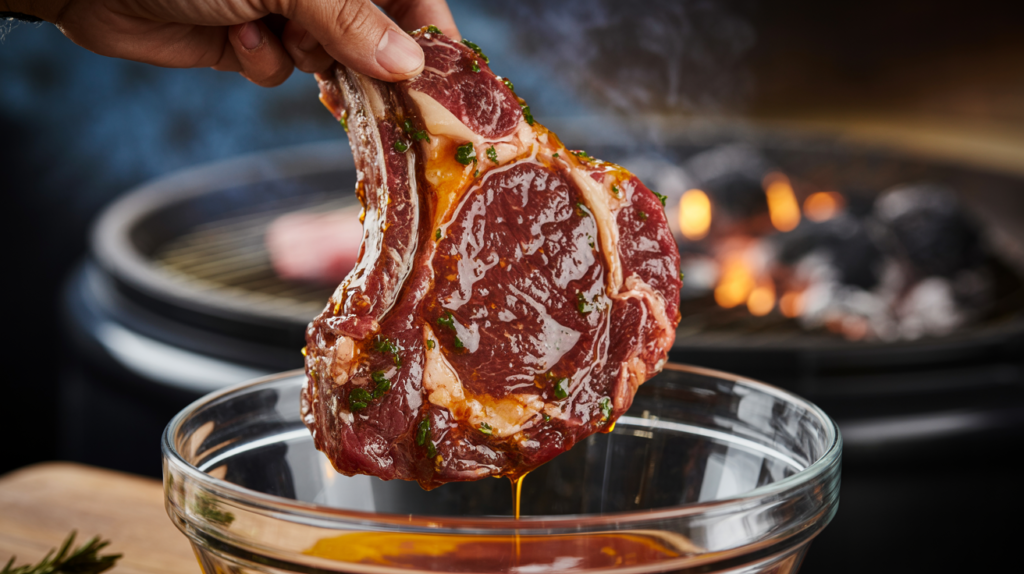
This Easy Steak Marinade is the simplest, most effective way to guarantee a flavor-packed, perfectly tender steak every time you cook.
It’s an essential tool for any home cook, transforming everyday cuts of beef into a rich, succulent, and savory main course with minimal fuss.
Stop settling for dry, bland steak. Embrace this easy, reliable method for maximum flavor infusion.
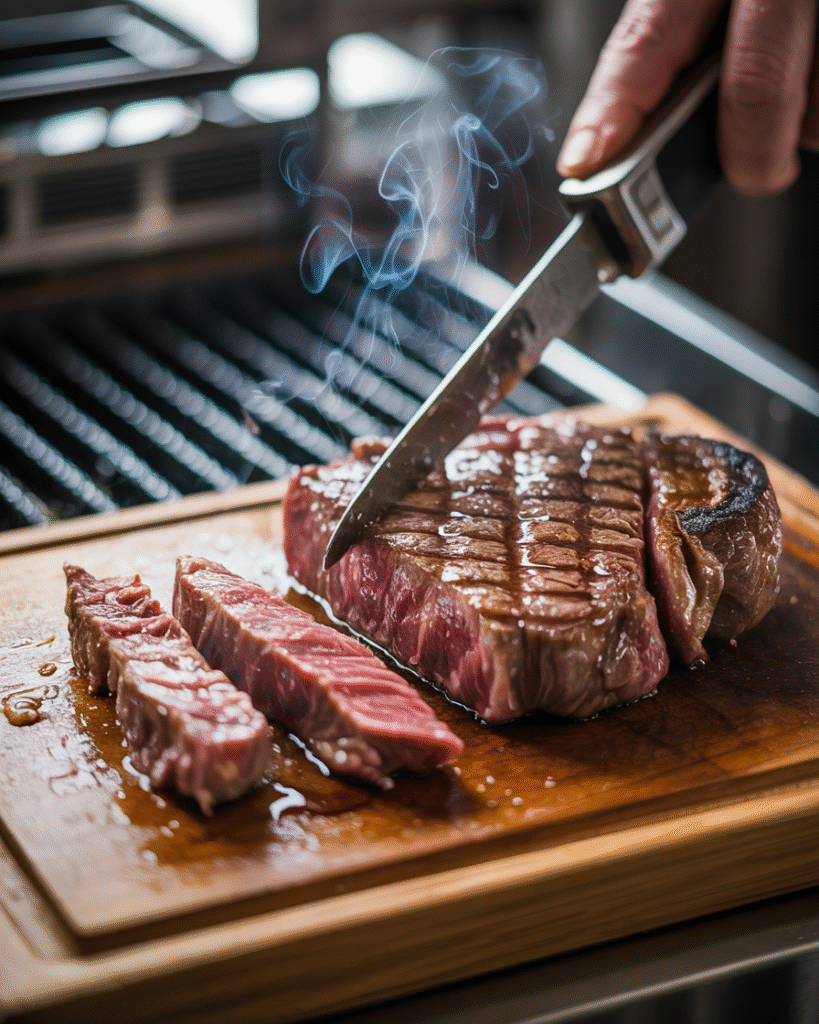

Easy Steak Marinade
Description
This Easy Steak Marinade focuses on essential flavor components to tenderize tough cuts like flank or skirt steak and enhance premium cuts like ribeye. It creates a robust, savory flavor profile perfect for grilling or pan-searing.
Ingredients
Instructions
-
Prepare the Marinade Base
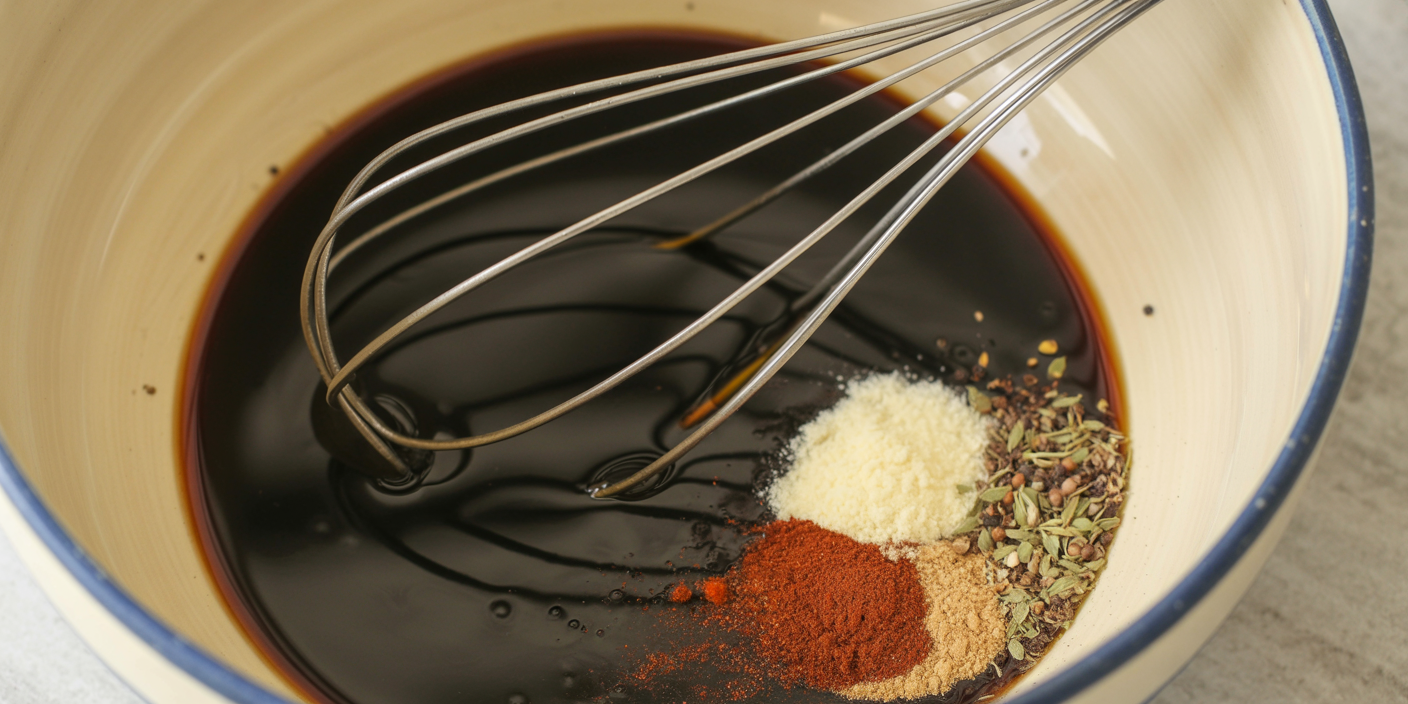
In a medium bowl, whisk together the olive oil, soy sauce, and Worcestershire sauce until emulsified. Add the garlic powder, onion powder, Italian seasoning, and black pepper. Whisk vigorously for 30 seconds to combine thoroughly.

-
Prep the Steak (Timing Cue)
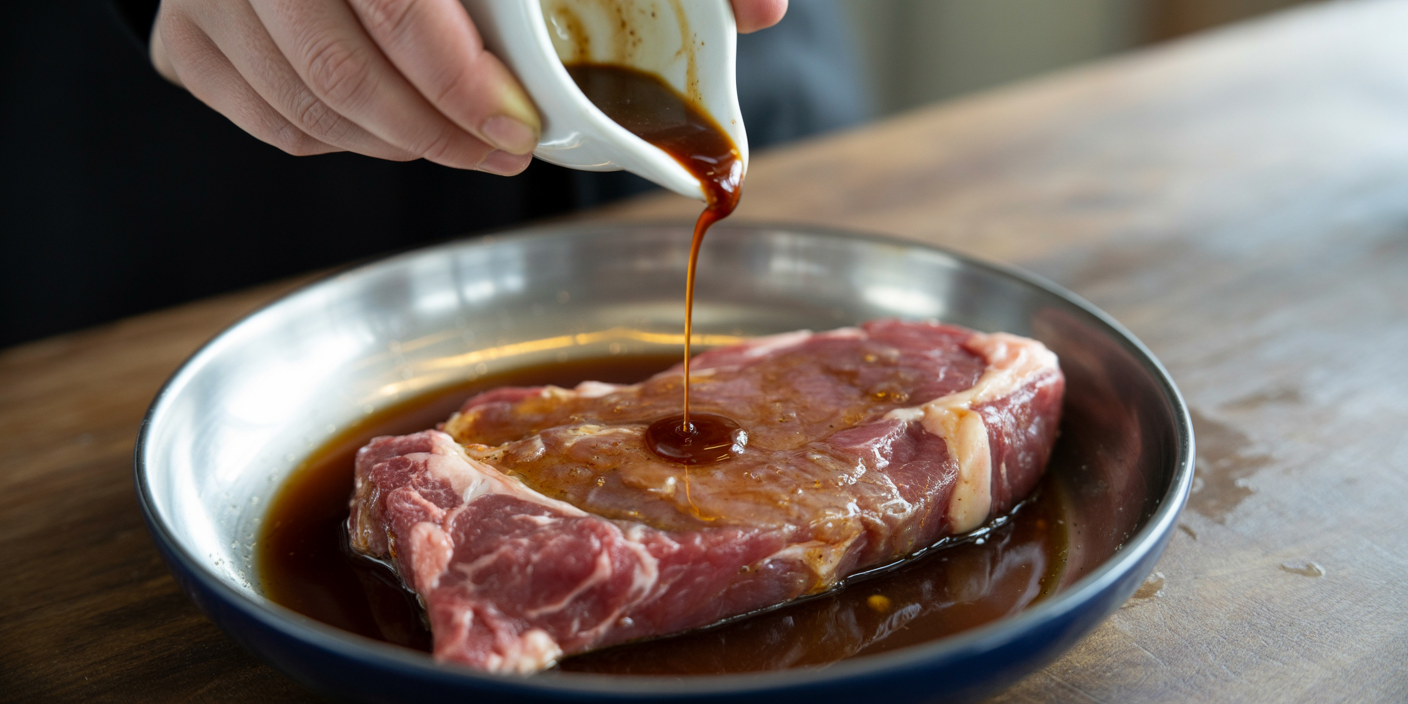
Place the steak (e.g., Flank or Skirt) in a large, sealable bag or shallow dish. Pour the marinade evenly over the steak, ensuring the entire surface is coated and submerged as much as possible.
-
Marinate (Temperature & Timing Cue)
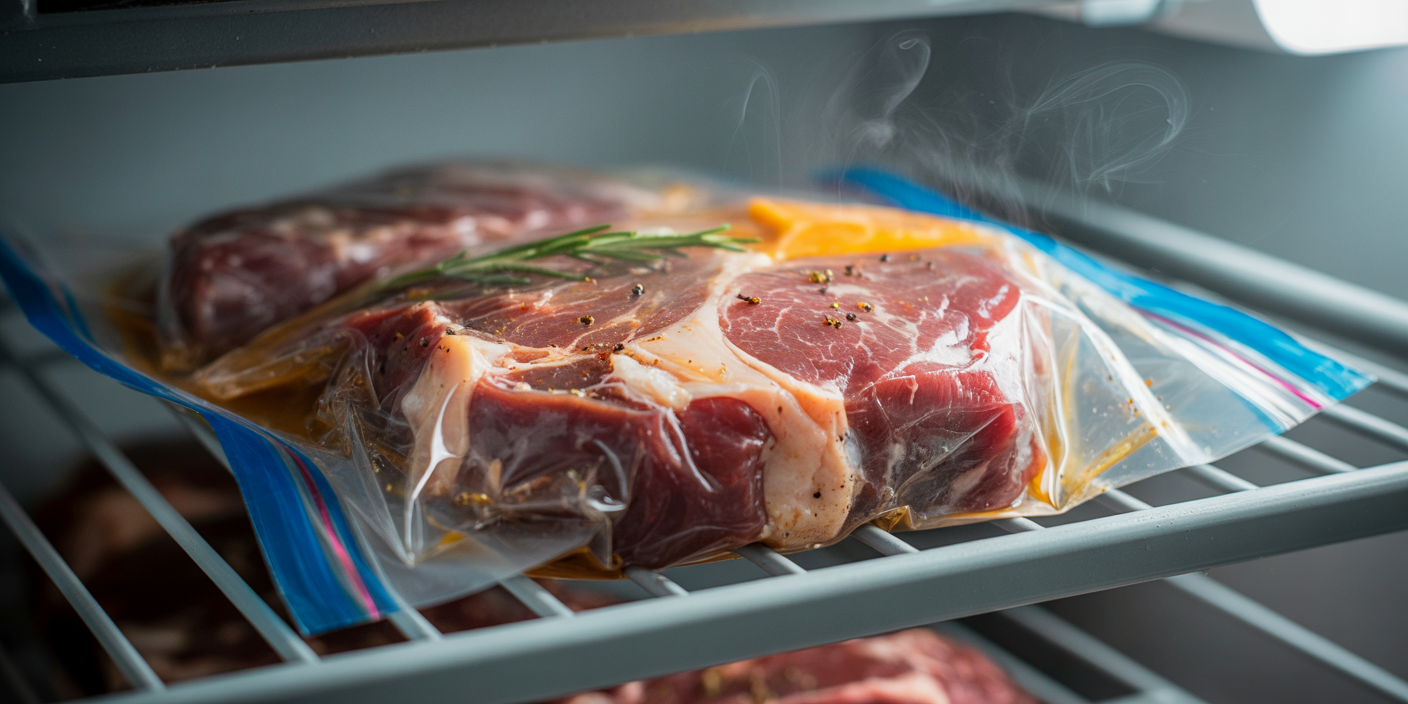
Seal the bag/dish and place it in the refrigerator. Marinate for a minimum of 30 minutes for flavor infusion or up to 4 hours for maximum tenderization. Do not exceed 8 hours for acidic marinades.
-
The Pre-Cook Prep
Remove the steak from the marinade 30 minutes before cooking to allow it to come to room temperature. Gently pat the excess marinade off the surface using paper towels. Discard the remaining marinade.
-
Cook and Rest (Temperature Cue)
$60^{circ}text{C}$ for medium-rare). Remove from heat and place the steak on a cutting board. Rest for 5–10 minutes before slicing against the grain to retain maximum juices.
Nutrition Facts
Servings 4
- Amount Per Serving
- Calories 270kcal
- % Daily Value *
- Total Fat 20g31%
- Saturated Fat 2g10%
- Sodium 450mg19%
- Total Carbohydrate 3g1%
- Protein 28g57%
* Percent Daily Values are based on a 2,000 calorie diet. Your daily value may be higher or lower depending on your calorie needs.
Note
Tenderization: For tougher cuts like Flank steak, pierce the surface lightly with a fork before marinating to aid penetration.
Safety: Always discard marinade that has been in contact with raw meat; never reuse it or boil it for sauce due to bacterial concerns.
Freezing: You can place the raw steak and marinade together in a freezer-safe bag and freeze for up to 3 months. Thaw overnight in the refrigerator before cooking.