Easy Homemade Scotch Eggs Recipe

Few snacks or picnic items boast the sheer satisfaction of a perfectly crafted Scotch Egg. This classic British invention is a masterpiece of textures and hearty, savoury flavour.
Forget the dry, mass-produced versions you might encounter. A true Homemade Scotch Eggs recipe delivers a crispy, golden breadcrumb crust that encases a layer of juicy, well-seasoned sausage meat.
At the heart of it all is the egg—ideally cooked to a soft-boiled perfection, offering a rich, creamy yolk that oozes slightly when sliced. This is the ultimate comfort food.

Mastering the art of this recipe is surprisingly simple once you understand the balance between the meat casing, the crust, and, crucially, the timing of the egg. This guide will show you how to achieve that perfect finish.
Best Ingredients for Homemade Scotch Eggs
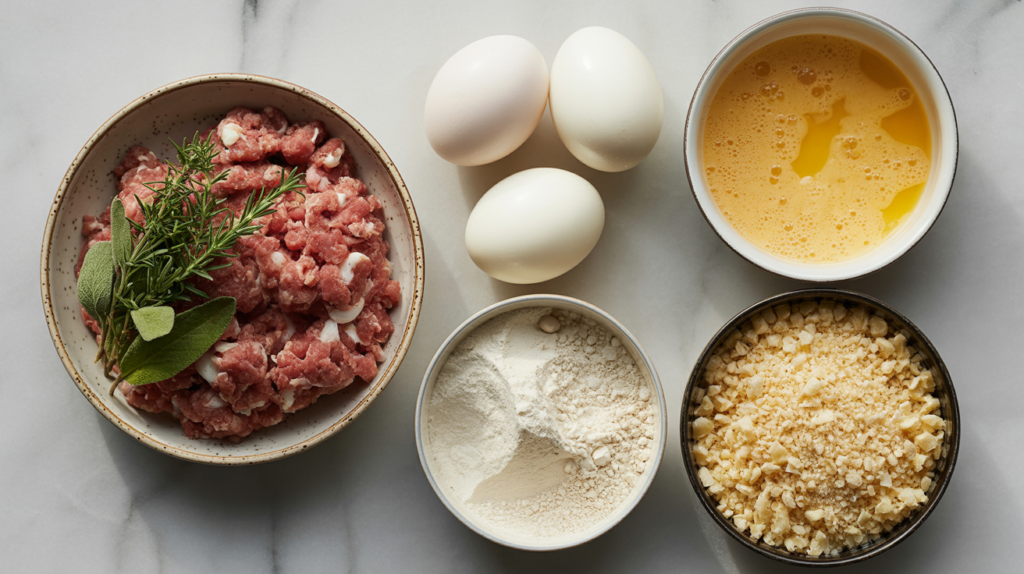
The quality of your core components is what truly elevates a Homemade Scotch Egg from good to glorious. Each layer requires attention.
The meat layer is the flavour powerhouse. Use high-quality sausage meat—pork is traditional—but ensure it’s well-seasoned. If using plain ground pork, you must add your own blend of herbs and spices for maximum flavour.
The egg is the star. Use large, fresh eggs and decide on your ideal yolk texture—whether you prefer a slightly runny, jammy yolk or a firmer, traditional centre. The timing here is everything.
For the coating, you need a triple threat: flour, egg wash, and breadcrumbs. Panko breadcrumbs are a pro-tip, as they provide an unbeatable light and airy crispiness that traditional breadcrumbs often miss.
Seasoning the flour and the meat properly is non-negotiable. Salt, pepper, and classic herbs like sage or thyme are essential for the savoury taste.
Taste & Texture Highlights
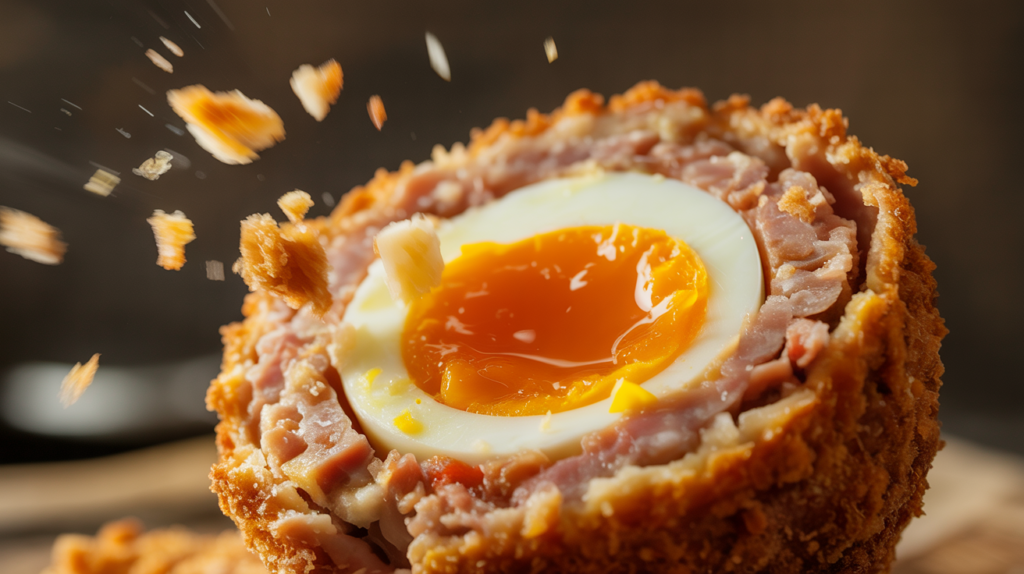
The appeal of a Homemade Scotch Egg is the incredible journey your mouth takes through its layers, a dynamic textural contrast in every single bite.
The first contact is a sharp, satisfying crunch as you break through the golden-brown breadcrumb crust. This layer should be dry, crisp, and substantial.
Next comes the tender, richly spiced sausage meat. It should be juicy, savoury, and firm, providing the main weight and flavour of the snack.
Finally, the centre reveals the egg. If perfectly soft-boiled, the creamy, rich yolk offers a warm, silky contrast to the surrounding crispy meat shell.
- Texture: A striking sequence: the shattering crispness of the crust, the firm, juicy meat, and the smooth, velvety yolk.
- Flavour: Dominantly savoury and meaty from the sausage, balanced by the richness of the egg and the subtle saltiness of the crispy coating.
- Aroma: The warm, intoxicating scent of fried breadcrumbs and herby, seasoned pork—deeply comforting and appetizing.
Flavor Combinations That Work
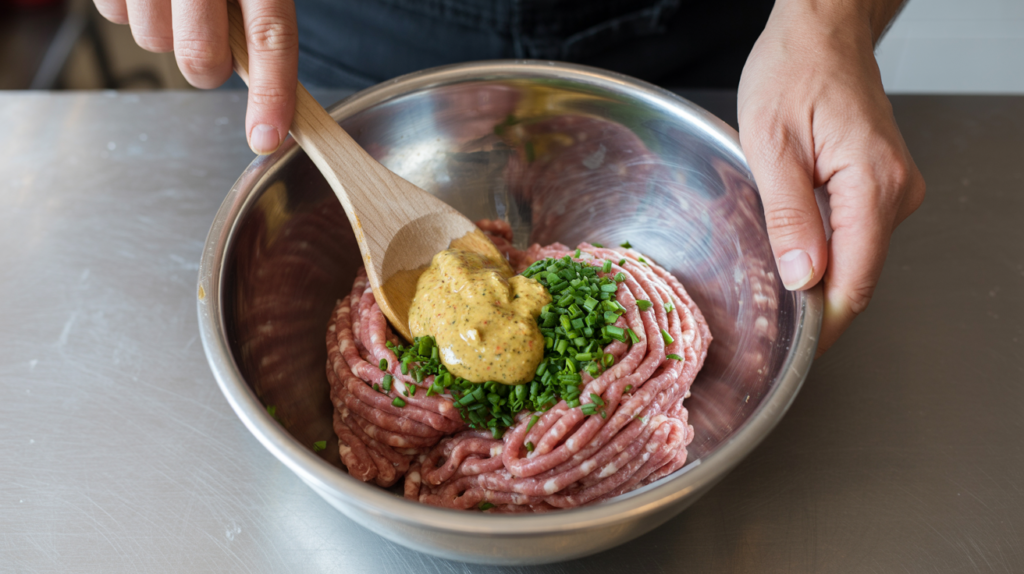
While the traditional Homemade Scotch Egg is a classic, the sausage meat layer is a perfect canvas for creative flavour twists and seasoning upgrades.
For a spicy edge, mix a pinch of cayenne pepper or smoked paprika into the sausage meat. This adds a delightful warmth and a subtle, smoky depth.
Using different sausage types can change the profile entirely. Try a blend of pork and finely chopped black pudding for a rich, intensely earthy flavour.
Adding finely chopped herbs like chives, fresh parsley, or a touch of lemon zest to the sausage mix brightens the flavour and cuts through the richness, creating a fresher taste.
Another great option is incorporating a spoonful of high-quality chutney or mustard right into the meat mixture. This adds complex notes of sweetness and tanginess to the savoury coating.
Health Benefits of Homemade Scotch Eggs

When made at home, the Homemade Scotch Egg offers a surprisingly nutrient-rich profile, making it a substantial and satisfying meal component.
Eggs are a powerhouse of nutrition, providing high-quality protein, essential fats, and important vitamins like D, B12, and Choline, which supports brain health.
The sausage meat contributes significant amounts of complete protein and B vitamins like Thiamin, essential for energy. Choosing lean cuts of pork can reduce the overall fat content.
Baking or air-frying your Scotch Eggs is a simple method to achieve that desired crispy crust while significantly lowering the amount of added fat and calories compared to deep-frying.
When paired with a fresh side salad, this savoury snack becomes a well-rounded and deeply satisfying meal.
Nutrition Facts & Calories (Per Serving Estimate)
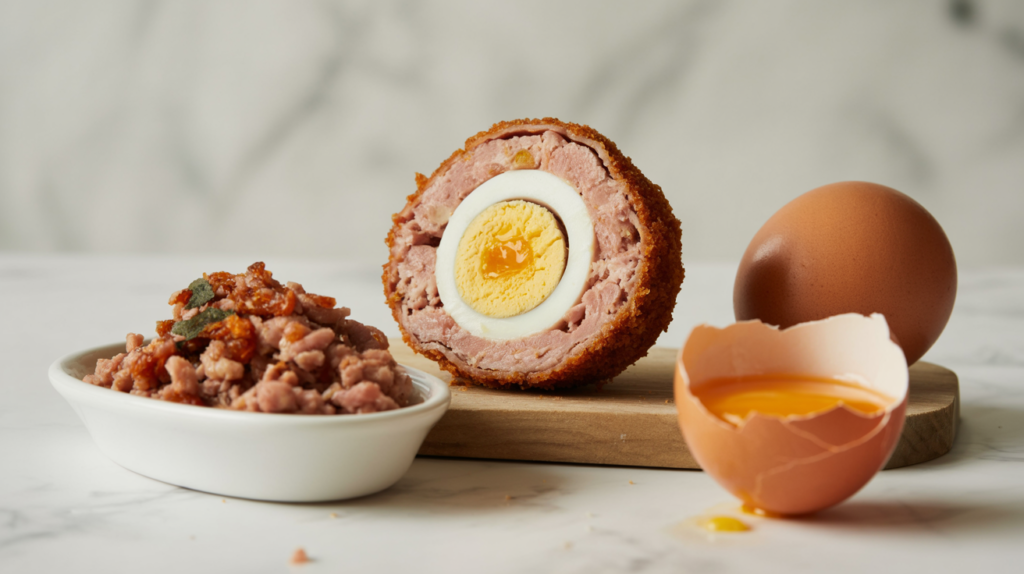
The nutritional values for a Homemade Scotch Egg can vary widely based on the size of the egg, the fat content of the sausage meat, and the cooking method (fried vs. baked).
This estimate is based on a medium-sized, baked Scotch Egg using moderately lean pork sausage meat.
- Estimated Calories: Approximately 350–450 kcal per medium egg.
- Protein: High, around 25–35 grams, thanks to the meat and egg.
- Fats: Roughly 20–30 grams, largely dependent on the sausage choice and oil used.
- Carbohydrates: Low to moderate, primarily from the breadcrumb coating, about 15–20 grams.
The dish provides excellent sources of:
- B Vitamins (especially B12): Crucial for nerve function and red blood cell production.
- Iron and Zinc: Supporting immune function and oxygen transport, found in the pork.
- Choline: Important for liver and brain function, highly concentrated in the egg yolk.
Quick Tips for Making Homemade Scotch Eggs

Achieving the perfect, uniform shape and that oozing yolk centre requires precision and technique.
Tip 1: The Yolk Timing. For a slightly runny, jammy yolk, boil your eggs for precisely 6 to 7 minutes, then immediately plunge them into an ice bath to stop the cooking. This is the secret to the perfect centre.
Tip 2: Chill the Meat. After wrapping the sausage meat around the egg, chill the entire assembly for at least 15–20 minutes. This firms up the meat, making the subsequent breading process much easier and cleaner.
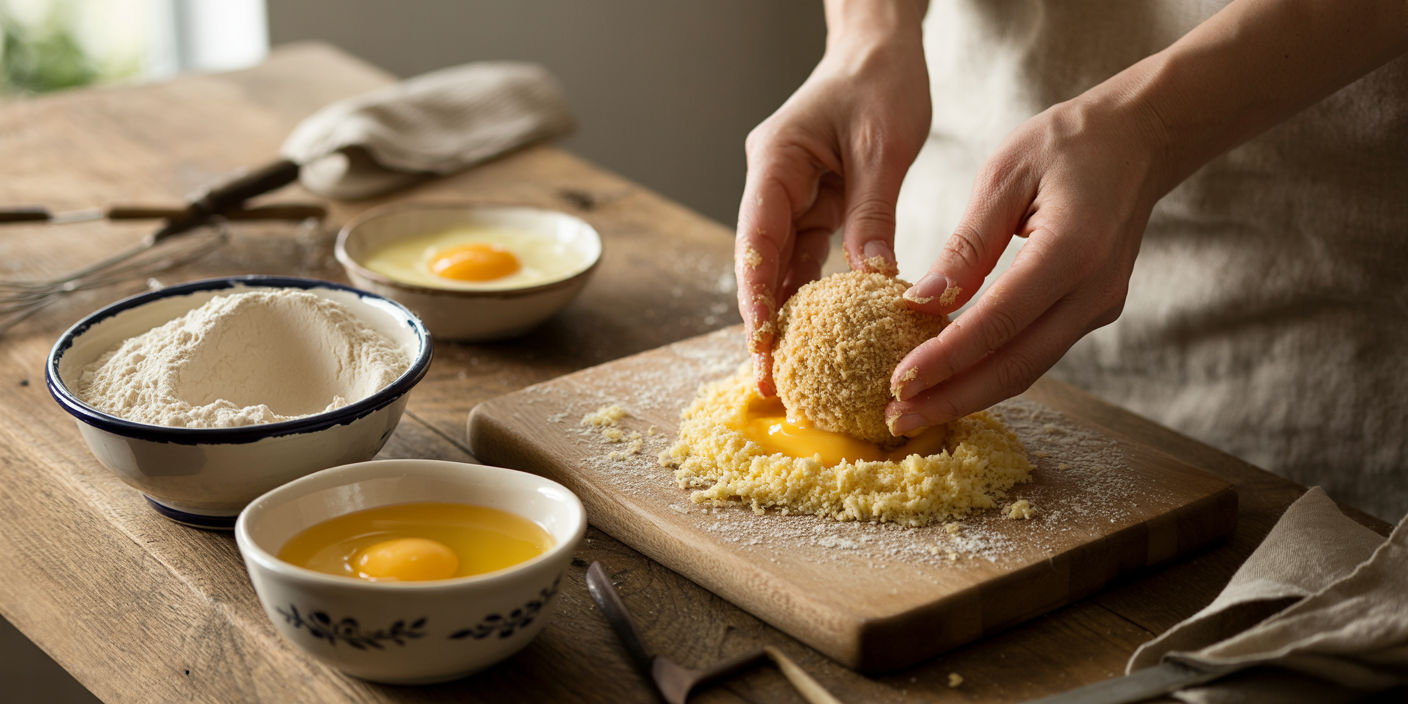
Tip 3: The Double Coat. For an extra thick and crispy crust, bread the eggs twice. Dip the chilled, meat-wrapped egg first in flour, then egg wash, then breadcrumbs. Dip it again in the egg wash and then a final coating of breadcrumbs.
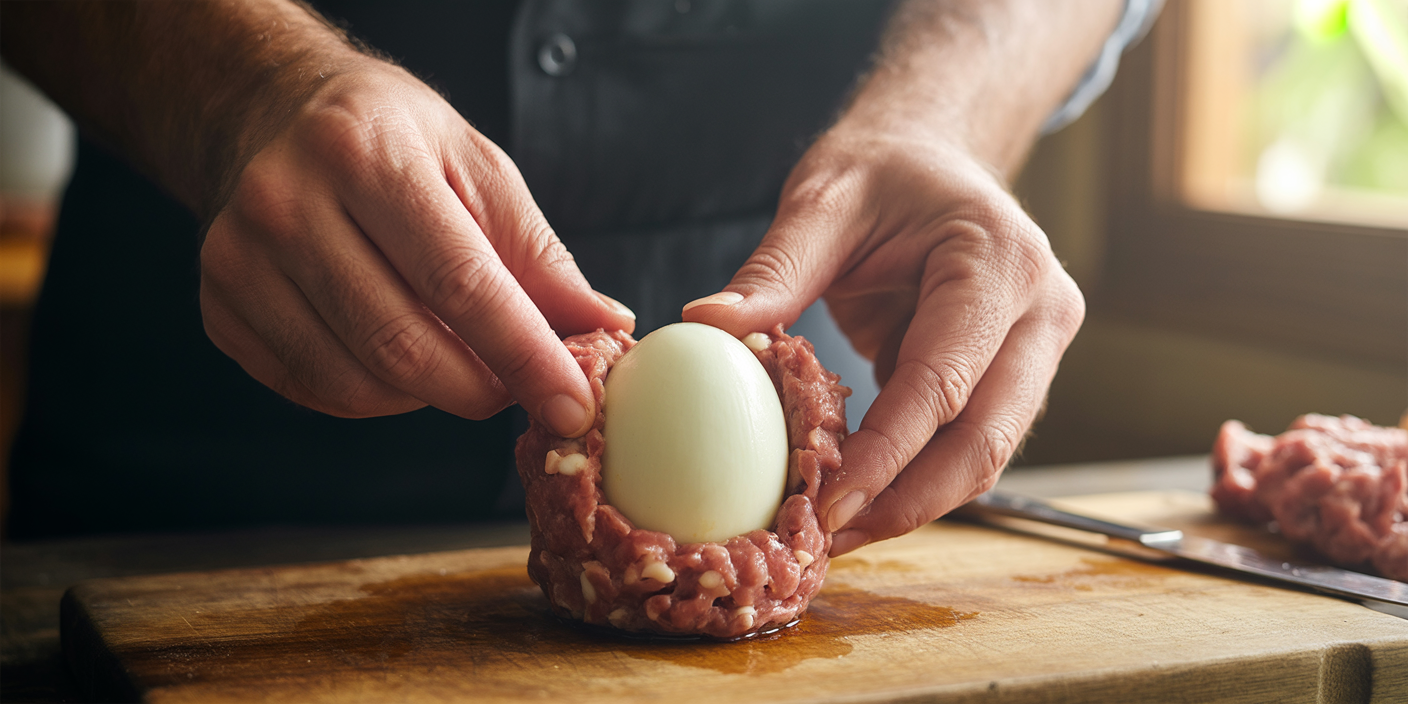
Tip 4: Uniform Thickness. Ensure the sausage meat is wrapped evenly around the entire egg. The thickness should be uniform to guarantee the meat cooks thoroughly without the egg overcooking.
Serving Suggestions

Homemade Scotch Eggs are incredibly versatile, fitting seamlessly into various dining occasions, from a cold picnic snack to a warm, substantial breakfast.
They are traditionally served cold, cut in half to showcase that beautiful, creamy yolk. This makes them perfect for picnics, buffets, or packed lunches.
For a warm serving, pair them with a simple, sharp side like piccalilli or a strong English mustard. The acidity cuts through the richness of the meat beautifully.
They make an outstanding starter or main course when served alongside a crisp, peppery watercress or rocket salad, dressed with a light vinaigrette.
Perfect Pairings / Meal Ideas

The hearty nature of the Homemade Scotch Egg means it can be the star of a meal or an excellent component on a rich, diverse platter.
For a full, savoury breakfast spread, serve the Scotch Eggs alongside grilled tomatoes, baked beans, and buttery toast.
They pair wonderfully with robust, rustic breads. The rich, herby flavour of the sausage meat is the perfect complement to a dense, savoury loaf.
If you want to achieve the ultimate bread pairing, you might consider baking an Authentic Pugliese Bread. The open crumb and chewy crust of this rustic Italian loaf are perfect for soaking up any yolk remnants or accompanying sauces. You can find the recipe here: Authentic Pugliese Bread Recipe.
For a gastropub-style meal, serve one Homemade Scotch Egg with a heap of crunchy, hand-cut chips and a tangy sauce for dipping.
Presentation Tips
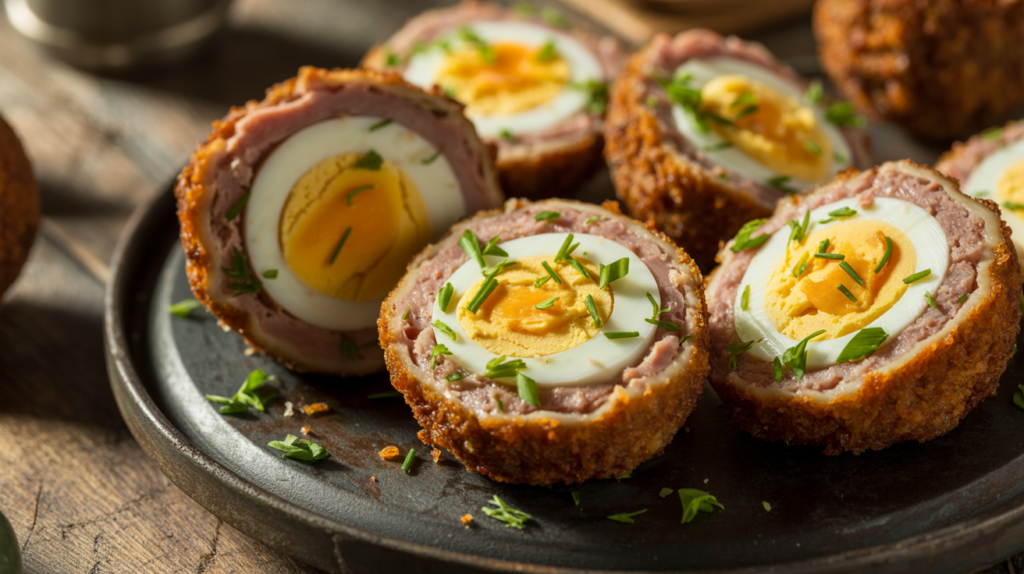
A well-presented Homemade Scotch Egg is all about showcasing the layers and that vibrant yolk.
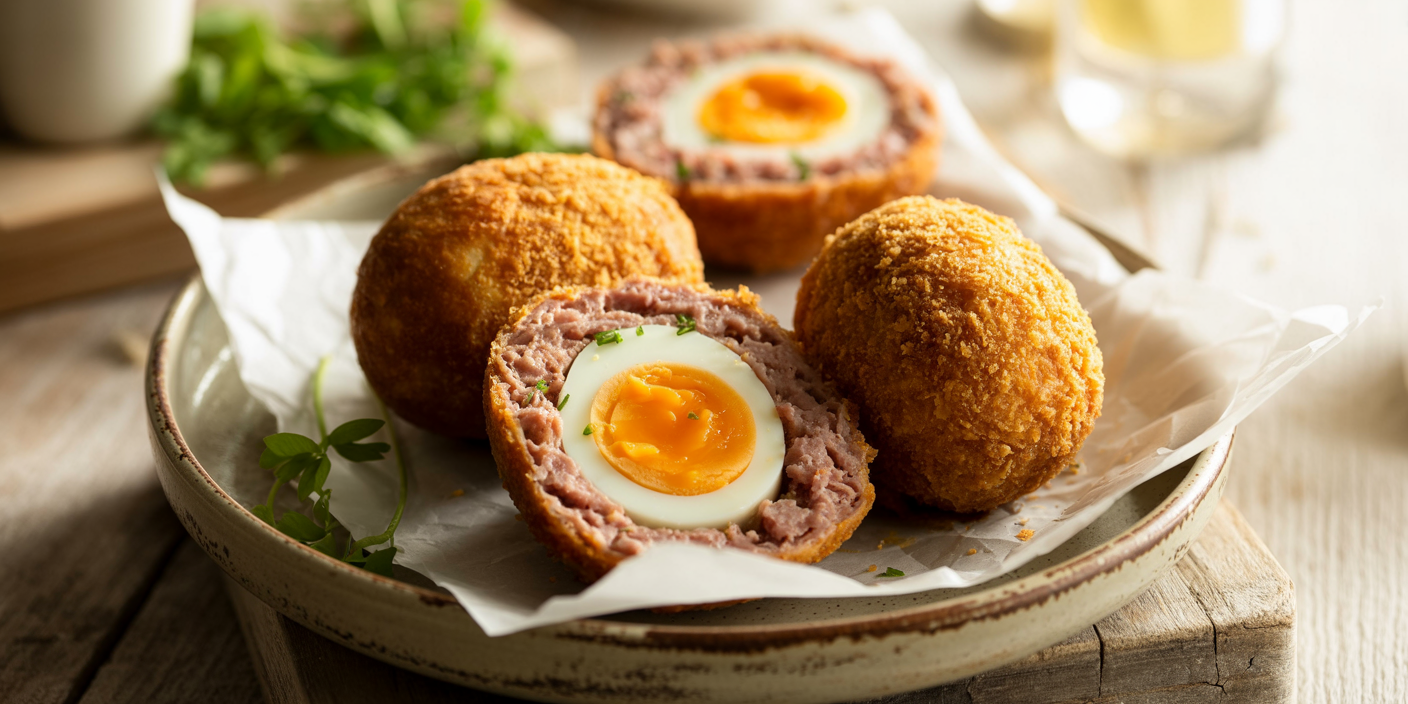
Always cut the eggs in half (if serving warm or on a platter) to reveal the golden crust, the pink sausage layer, and the creamy centre.
Serve them on a wooden board or a slate platter for a rustic, appetizing look. A garnish of fresh herbs like chives or parsley adds a final touch of colour.
If serving cold for a picnic, wrap them individually in parchment paper or beeswax wraps to maintain their shape and crisp exterior.
Place small ramekins of dipping sauces—mustard, chutney, or a simple relish—nearby to encourage interaction and enhance the savoury flavour.
Pro Tips & Fun Facts

- The Name: The Scotch Egg is widely believed to have originated in London in 1738 at the famous Fortnum & Mason department store, not in Scotland, though the exact origin is often debated.
- Best Egg Peel: To ensure your eggs peel easily without damaging the surface (crucial for a smooth meat wrapping), add a splash of baking soda or vinegar to the boiling water.
- Bake for Lighter Results: While frying is traditional, baking or air-frying at 200°C (400°F) is a fantastic alternative that achieves a very crispy crust with far less oil.
- Season the Breading: Mix a little salt, pepper, and garlic powder into the Panko breadcrumbs for an extra layer of flavour in the final crispy coating.
Why You Should Try This Homemade Scotch Eggs Recipe

If you crave substantial, savoury comfort food that is also portable and endlessly satisfying, the Homemade Scotch Egg is the perfect recipe to master.
It offers a complex, multi-layered eating experience: the crunch of the crust, the herby meat, and the creamy yolk. It’s a complete meal in a perfect, edible package.
This recipe is proof that classic comfort foods are always best when made with care and high-quality ingredients. It’s a delightful challenge that yields incredibly delicious results.
Master this easy Homemade Scotch Eggs recipe and treat yourself and your family to one of the greatest savoury snacks known to man.


Easy Homemade Scotch Eggs Recipe – Crispy & Juicy American Breakfast Snack
Description
A traditional British snack featuring soft or hard-boiled eggs wrapped in seasoned sausage, coated with golden breadcrumbs, and fried (or baked) to perfection.
4 large eggs (plus 1 for coating)
Optional Add-Ons:
Instructions
-
Boil the Eggs
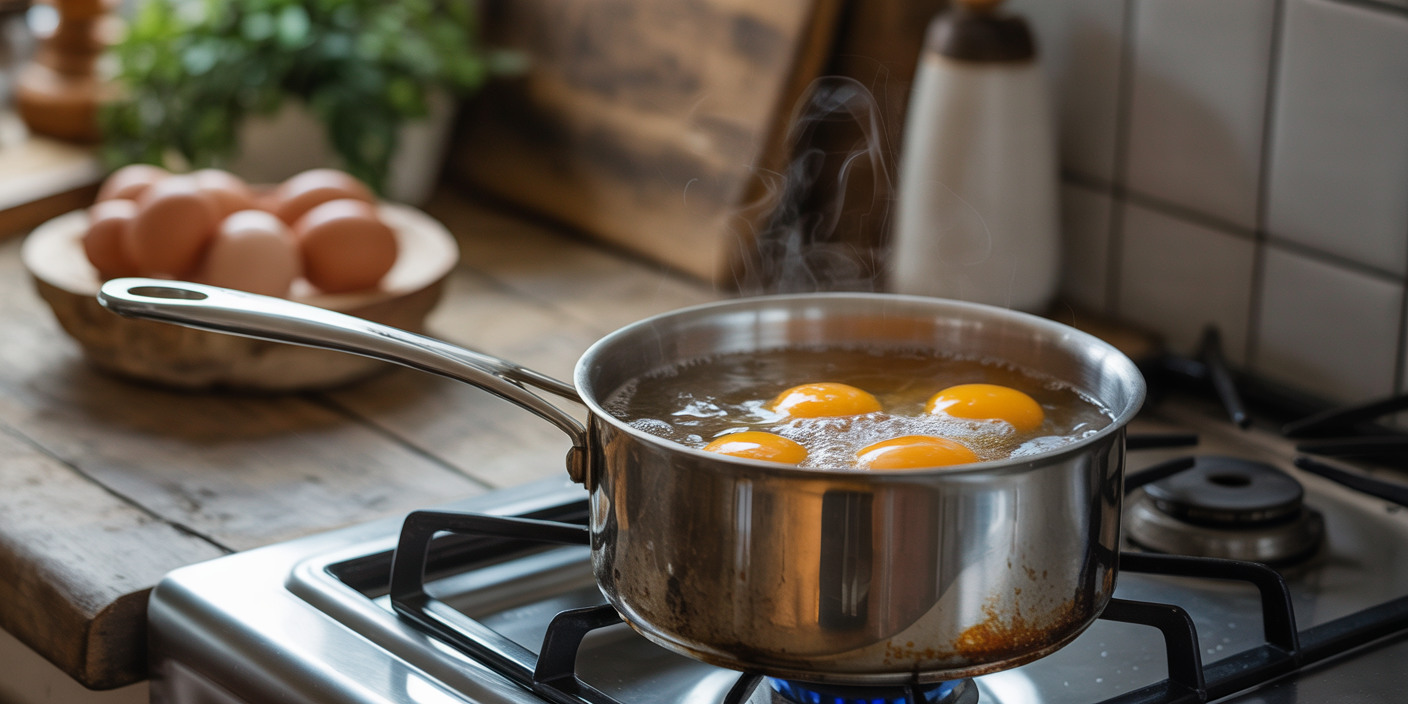
Boil 4 eggs for 6–7 minutes for soft centers or 9–10 for firm yolks. Cool and peel.
-
Prepare the Sausage Meat
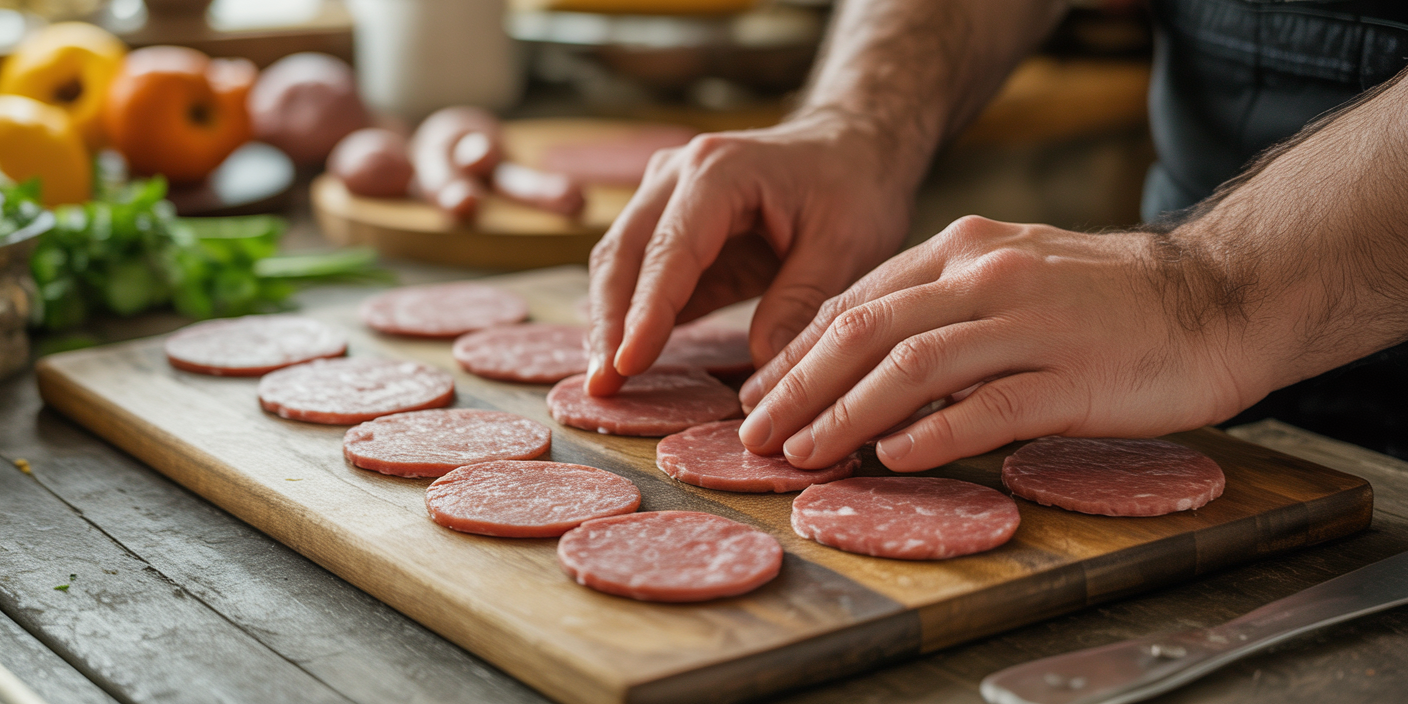
Divide sausage meat into 4 portions and flatten each into a thin circle.
-
Wrap the Eggs
Wrap each egg evenly in sausage meat, sealing the edges completely.
-
Coat the Eggs
Roll each in flour, dip in beaten egg, and coat with breadcrumbs. Repeat for extra crunch.
-
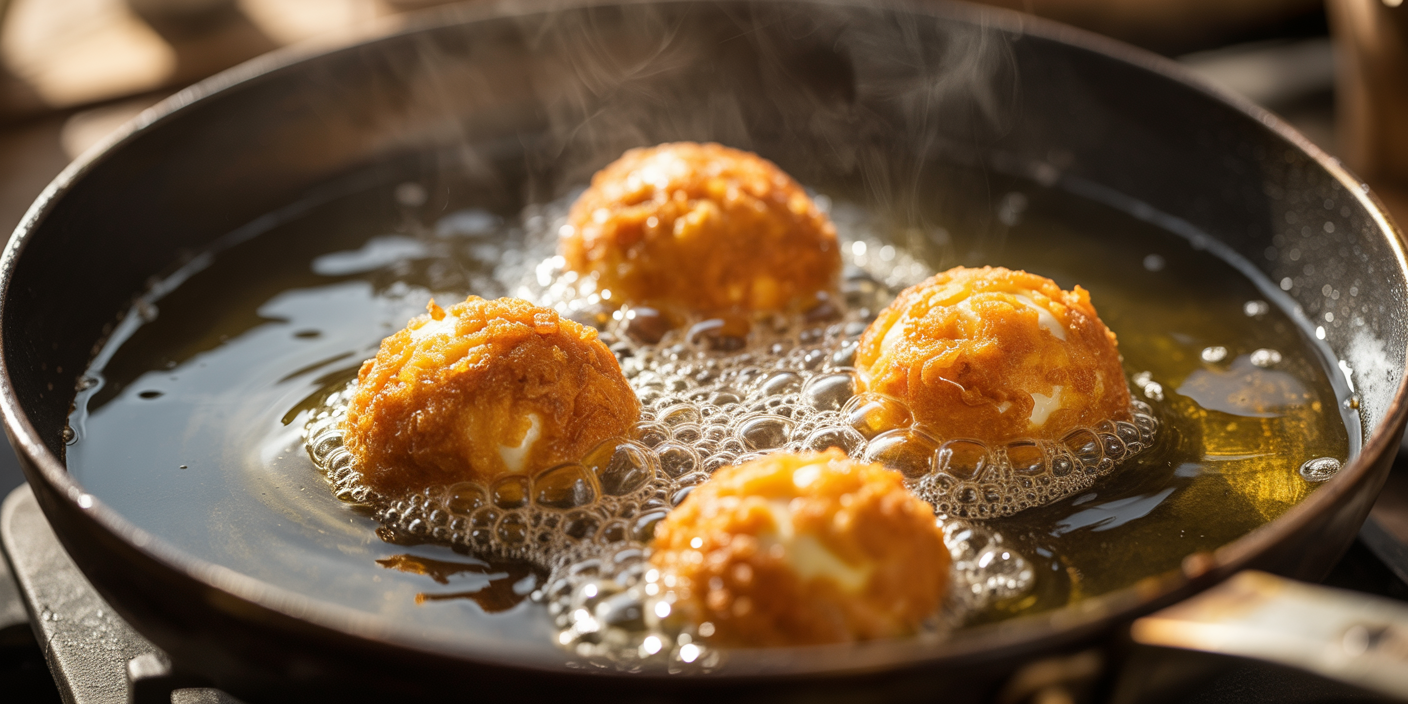
Fry Until Golden
Heat oil to 170°C (340°F) and fry each Scotch egg for 5–6 minutes until golden brown.
-
Rest and Serve
Drain on paper towels and rest for 5 minutes before serving.
Nutrition Facts
Servings 4
- Amount Per Serving
- Calories 360kcal
- % Daily Value *
- Total Fat 24g37%
- Cholesterol 185mg62%
- Sodium 620mg26%
- Total Carbohydrate 13g5%
- Dietary Fiber 1g4%
- Protein 19g38%
* Percent Daily Values are based on a 2,000 calorie diet. Your daily value may be higher or lower depending on your calorie needs.
Note
- For a lighter option, bake at 200°C (400°F) for 25 minutes.
- Keep oil temperature consistent for even browning.
- Serve with mustard, pickles, or spicy aioli for contrast.