

History Baked Salmon with Lemon Butter Recipe
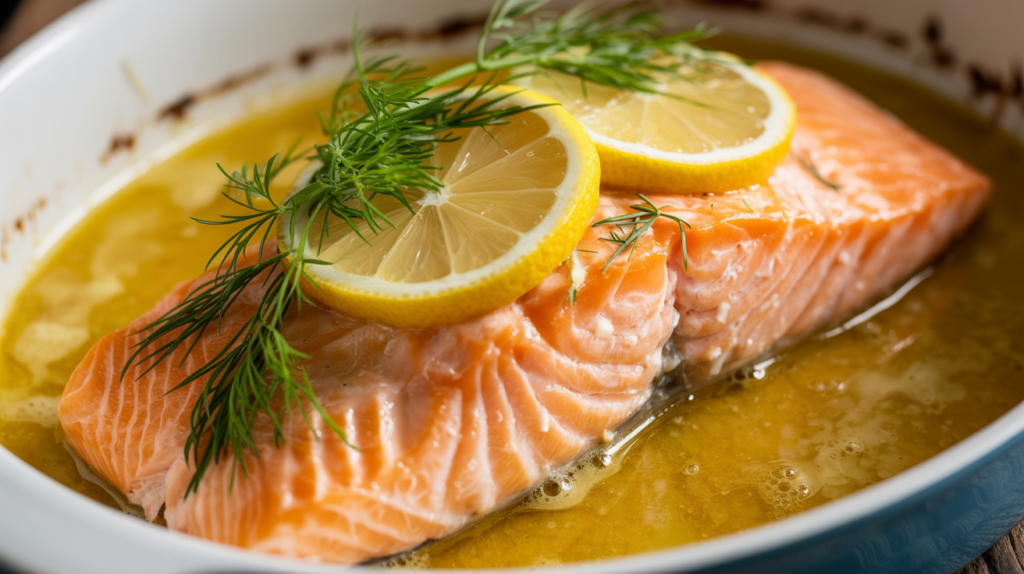
The timeless partnership of fish, butter, and lemon is a testament to classical cooking principles, bridging cuisines from the Mediterranean coast to the French countryside. This trio creates an undeniable balance of richness and brightness.
Salmon has long been celebrated globally for its high fat content and exceptional flavor. Its natural oiliness makes it one of the few fish that truly thrives under various cooking methods, including the oven.
The specific preparation of Baked Salmon with Lemon Butter became a household staple because it’s incredibly efficient. Baking achieves a tender, moist, and flaky result with minimal hands-on time, making it the ideal choice for a quick, healthy dinner.



This recipe is the most effective way to produce a gourmet, restaurant-quality meal with simple ingredients. It is universally loved for delivering perfect baked salmon without any fuss or complexity.
Best Ingredients for Baked Salmon with Lemon Butter
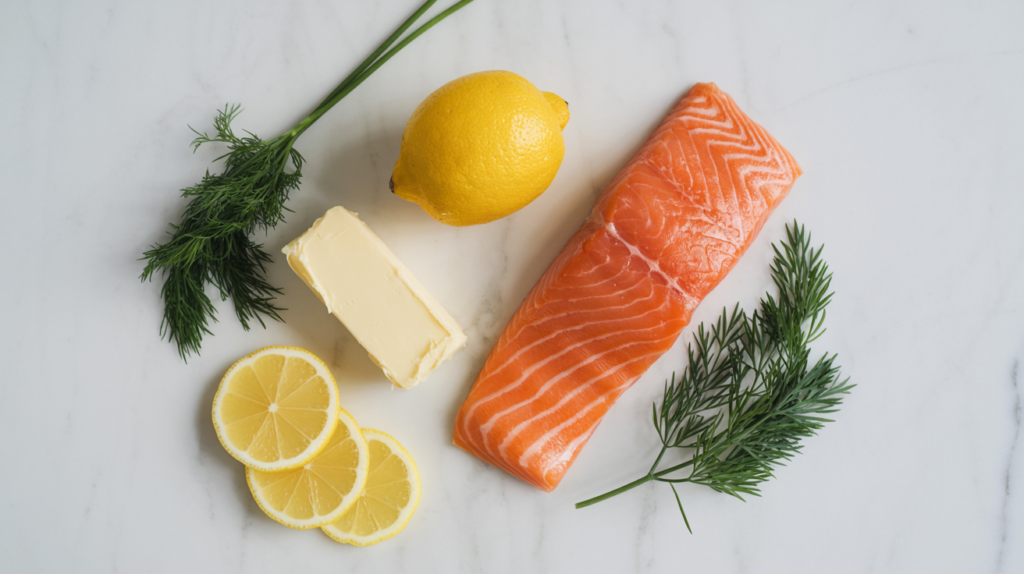
The secret behind spectacular Baked Salmon with Lemon Butter lies entirely in ingredient quality and preparation, allowing the pure flavors to dominate.
The foundation is the salmon. Always select thick, uniform fillets (about one inch thick) for even cooking. The skin is highly recommended, as it helps insulate the flesh, ensuring a moist and tender interior.
Next is the rich base: the butter. Opt for unsalted butter of high quality. It provides the clean, pure flavor needed for the sauce and gives you full control over the final seasoning and salt level.
For the signature flavor, freshly squeezed lemon juice and zest are non-negotiable. The zest contains vital aromatic oils that provide a bright, fragrant dimension that bottled juice simply cannot replicate.
Finally, finishing with fresh herbs, such as dill, parsley, or chives, adds an appealing green color and a delicate, earthy aroma that complements the rich baked salmon beautifully.
Taste & Texture Highlights
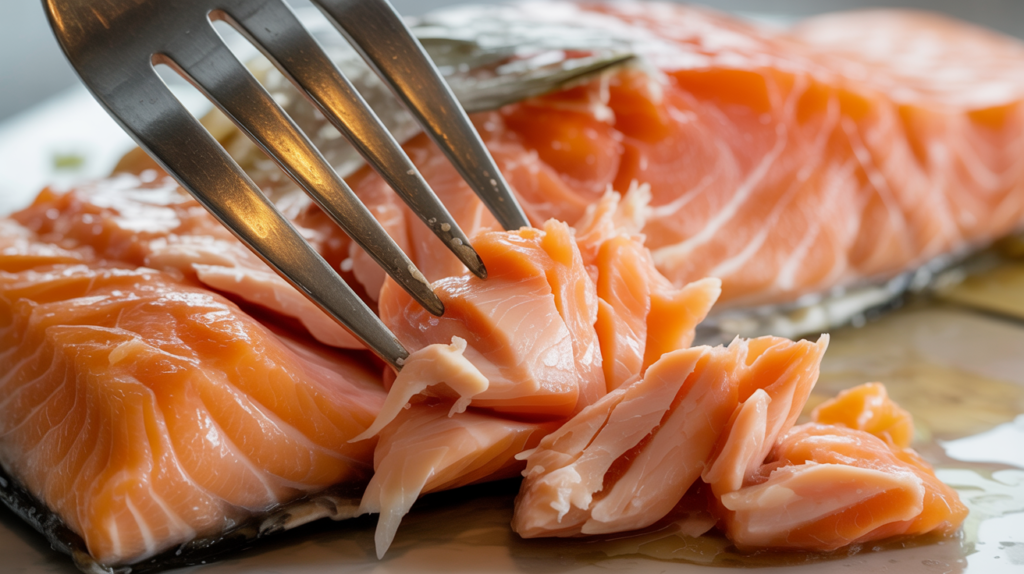
The final presentation of Baked Salmon with Lemon Butter offers a delightful contrast of textures and a sophisticated layering of flavors.
The texture of the salmon is the star. When cooked correctly, the flesh should be silky, moist, and wonderfully flaky, separating easily with the touch of a fork. The goal is a tender, buttery softness.
The flavor profile is initially rich and deeply savory, stemming from the heart-healthy omega-3 fats within the salmon, complemented by the comforting taste of melted butter.
The lemon butter sauce plays the critical role of balance. Its zesty, sharp tang provides a clean, refreshing note that cuts through the fat, preventing the dish from tasting too heavy.
The combination results in a finished product that is luxurious yet surprisingly clean. A perfectly executed baked salmon is never dry, only tender and delicious.
Flavor Combinations That Work
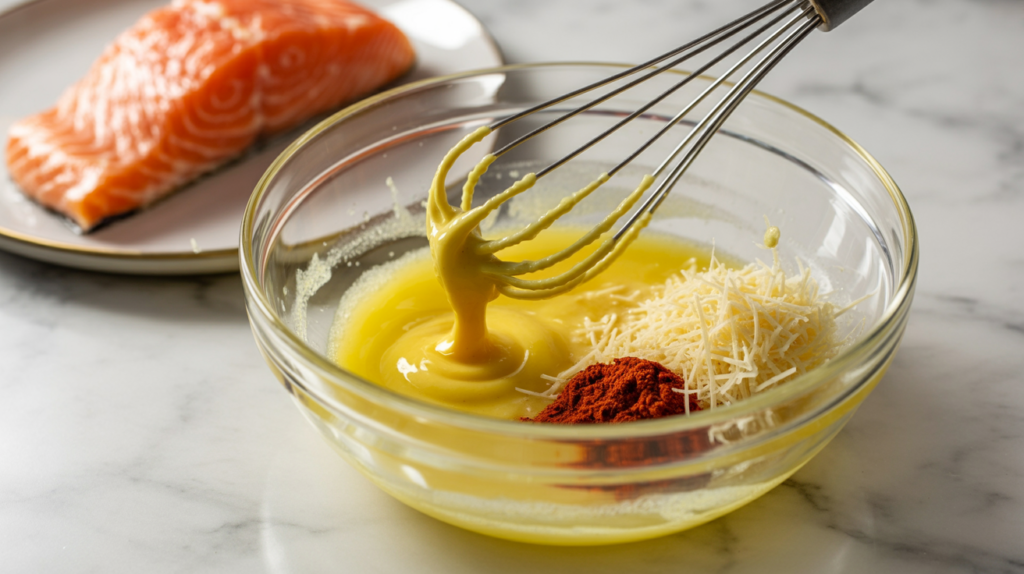
The simple elegance of Baked Salmon with Lemon Butter makes it highly versatile, inviting subtle additions to customize the meal without overwhelming the main flavor profile.
To introduce a deeper savory complexity, whisk a teaspoon of roasted garlic paste or a touch of finely grated Parmesan cheese into the lemon butter mixture.
For those who enjoy a hint of spice, a light sprinkling of smoked paprika or red pepper flakes before baking adds a warmth and depth that complements the richness of the fish.
Adding a small spoonful of capers or finely chopped olives to the pan just before serving introduces a pleasant salty, briny pop that perfectly enhances the bright lemon flavor.
You can also introduce a subtle sweetness by stirring a teaspoon of honey or maple syrup into the lemon butter. This creates a beautiful, lightly glazed exterior on the fish.
Health Benefits of Baked Salmon with Lemon Butter
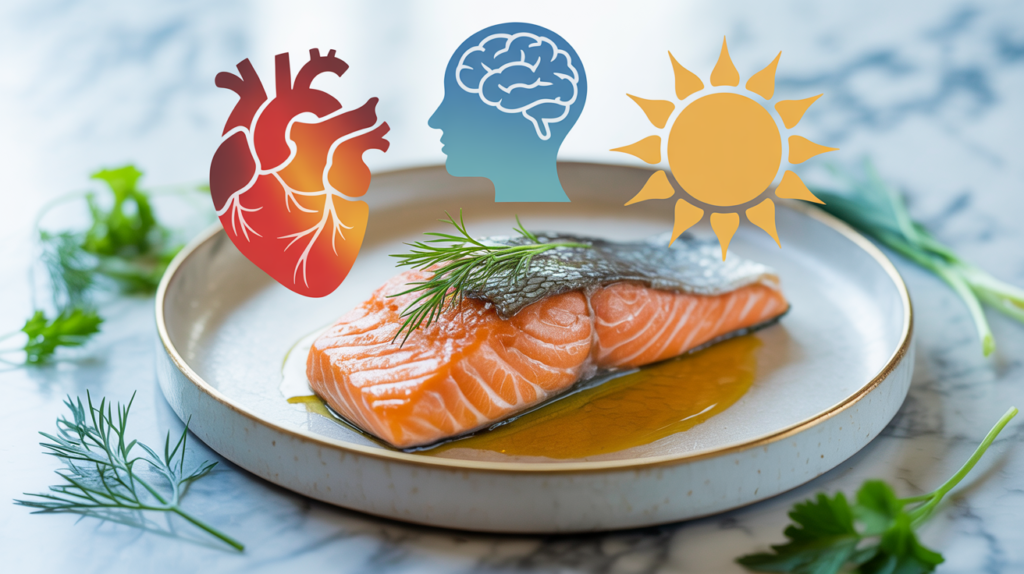
This Baked Salmon with Lemon Butter recipe stands out as an exceptionally heart-healthy and nutrient-dense meal, making it ideal for a balanced lifestyle.
Salmon is the ultimate source of Omega-3 fatty acids (EPA and DHA). These essential fats are celebrated for supporting cardiovascular health, reducing inflammation, and promoting optimal brain function.
The high concentration of lean protein in salmon is fantastic for promoting satiety, aiding in weight management, and supporting the repair and growth of muscle tissue.
The recipe is rich in vital micronutrients, including high levels of Vitamin D, which is critical for bone density and immune function, and essential B Vitamins like B12 and Niacin.
Because the salmon is baked and relies on its own natural oils, plus a controlled amount of butter, it is a highly efficient way to consume healthy fats and protein without heavy processing.
Nutrition Facts & Calories
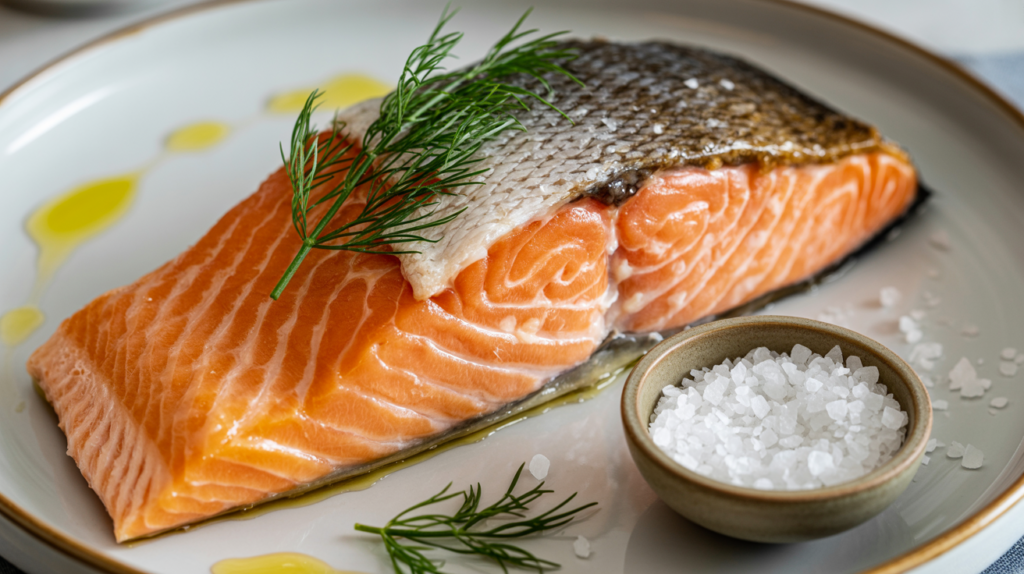
The nutritional profile of Baked Salmon with Lemon Butter is highly beneficial, delivering a strong emphasis on high-quality fats and lean protein with very few carbohydrates.
The caloric count is primarily supplied by the healthy fats from the salmon’s oils and the butter. These fats are essential for the body to absorb fat-soluble vitamins.
The fish provides a substantial amount of protein, ensuring the meal is deeply satisfying and excellent for maintaining metabolic health.
In terms of minerals, salmon is an impressive source of Selenium, Potassium, and Phosphorus. Specific, detailed nutritional information with exact vitamin and mineral contents is provided in the comprehensive recipe card.
This recipe is proof that embracing flavorful, rich food can perfectly align with a focus on healthy eating and proper nutrition.
Quick Tips for Making Baked Salmon with Lemon Butter
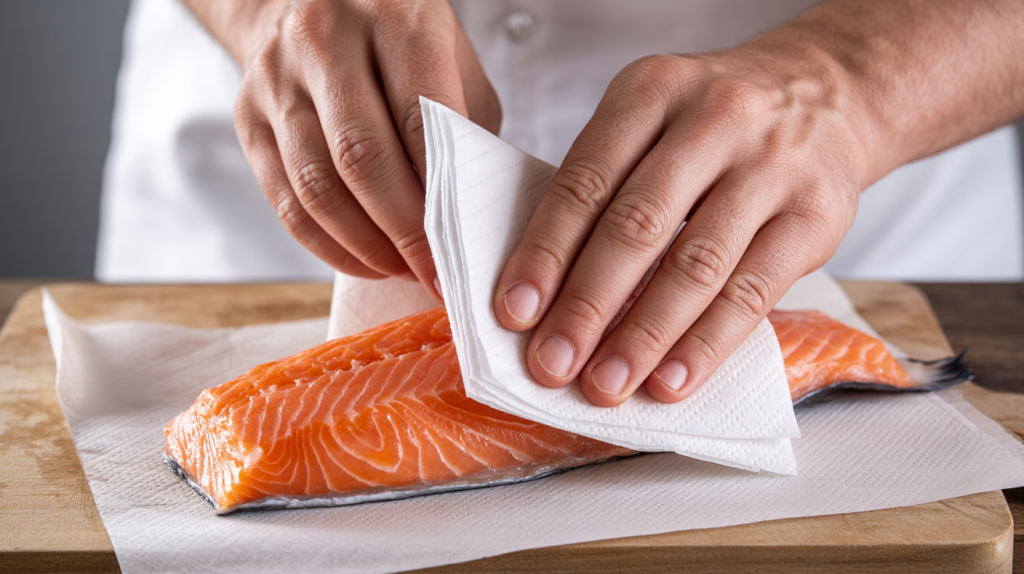
To ensure your Baked Salmon with Lemon Butter is consistently moist, tender, and flaky every single time, focus on these critical cooking hacks.
The most essential rule is patting the salmon dry before seasoning. Removing surface moisture is crucial for achieving the best texture and allowing the butter sauce to adhere properly.
Use a moderately high oven temperature, typically 200°C (400°F). The heat must be high enough to cook the fish quickly and evenly without drying it out.
Never overcook the salmon. The safe internal temperature is 63°C (145°F). As soon as it hits this mark, remove it immediately to account for carryover cooking and preserve the moisture.
For the most flavorful lemon butter sauce, mix the softened butter with all the seasonings and herbs first, rather than just melting butter and pouring it over the fish.
Serving Suggestions
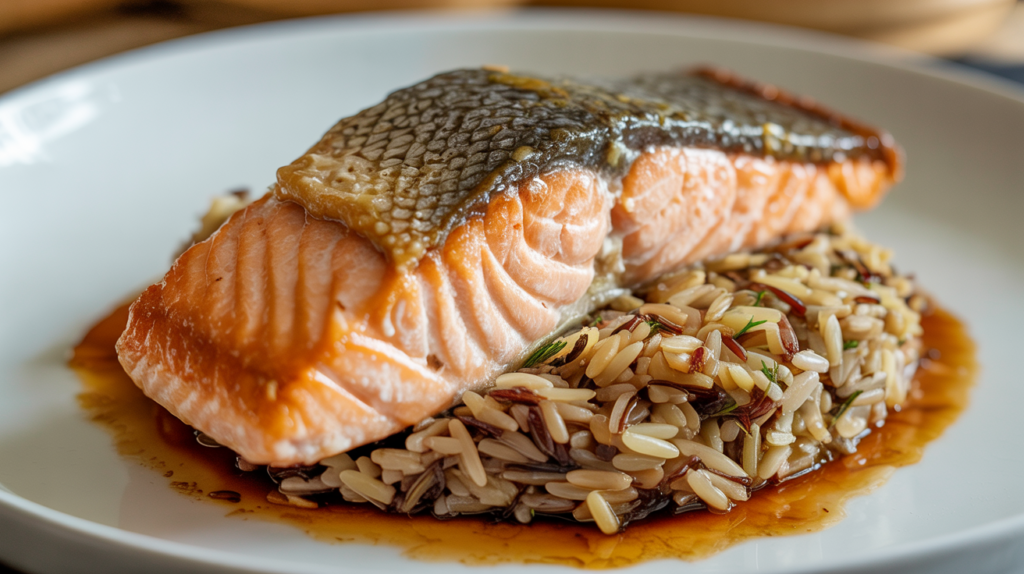
The elegant simplicity of Baked Salmon with Lemon Butter makes it incredibly versatile for pairing with a wide range of side dishes.
The simplest and most classic pairing is to serve the flaky salmon over a bed of steamed rice or wild rice pilaf. The grain soaks up all the delicious lemon butter pan sauce.
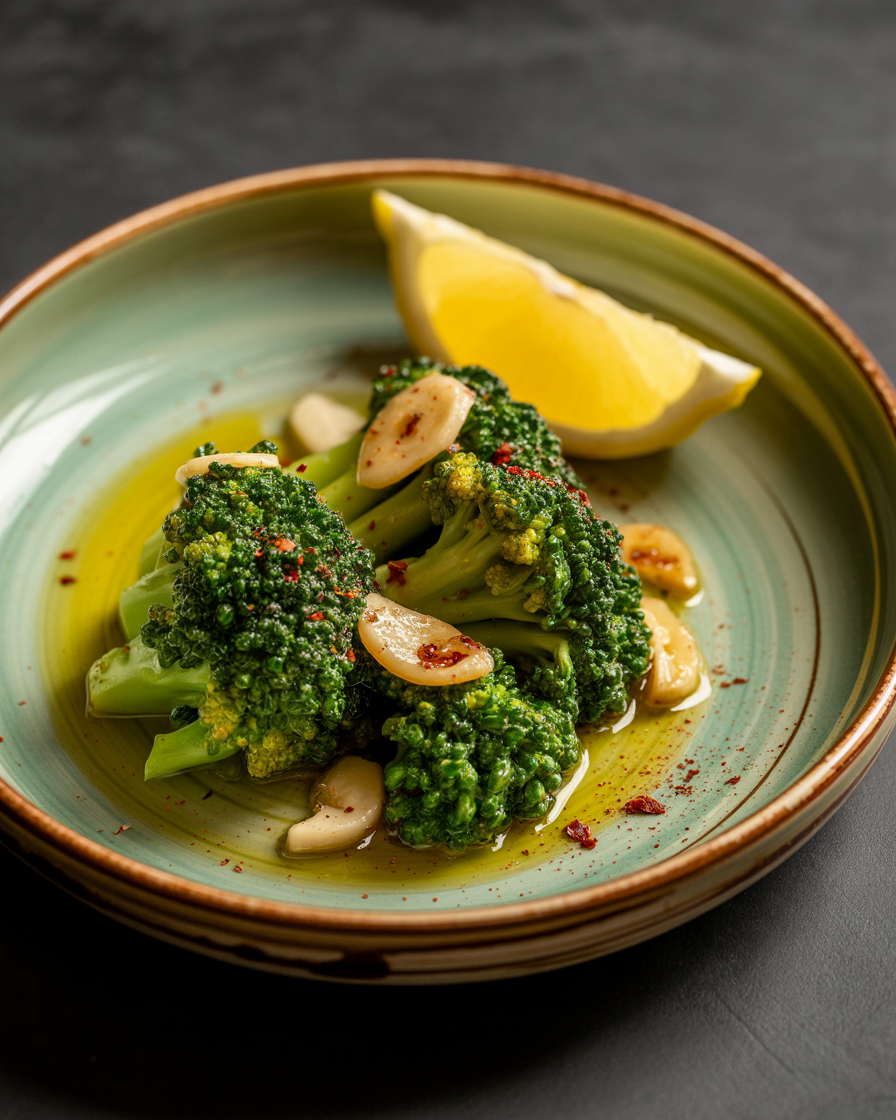
For a vibrant, healthy meal, pair it with roasted green vegetables like asparagus, green beans, or broccoli, all finished with a light squeeze of lemon.
The salmon can also be flaked and incorporated into a warm pasta dish or served cold over a large, crisp Caesar salad the next day.
Always ensure the final presentation includes a drizzle of the golden pan sauce and a generous amount of fresh herbs for maximum visual and aromatic appeal.
Perfect Pairings / Meal Ideas
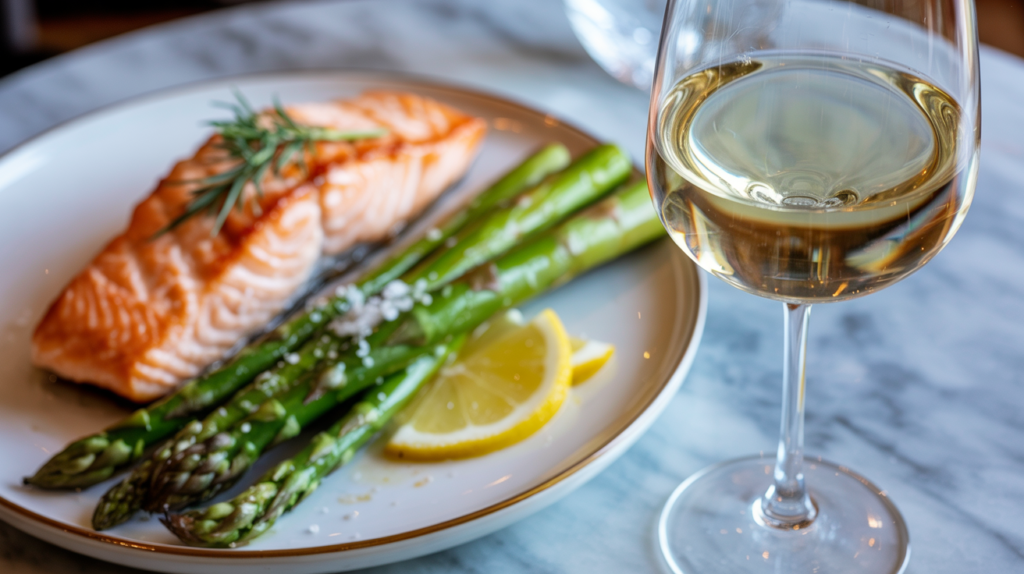
The savory, rich flavor of the Baked Salmon with Lemon Butter needs contrasting pairings to create a well-rounded and sophisticated meal.
The best beverage pairing is a crisp, highly acidic white wine, such as a Sancerre or a Sauvignon Blanc. The wine’s acidity perfectly cuts through the richness of the salmon and butter.
If you prefer red meat, the concept of a quick, flavorful sauce is similar to how a good rub or marinade works. You might enjoy our Easy Steak Marinade recipe here: Easy Steak Marinade .
For a non-alcoholic option, a pitcher of iced herbal tea (like mint or green tea) or simply sparkling water with fresh citrus slices is wonderfully refreshing.
Pair the fish with a side of herbed couscous or quinoa salad, tossed with fresh chopped parsley and a light vinaigrette. This adds a nice, light texture.
Presentation Tips
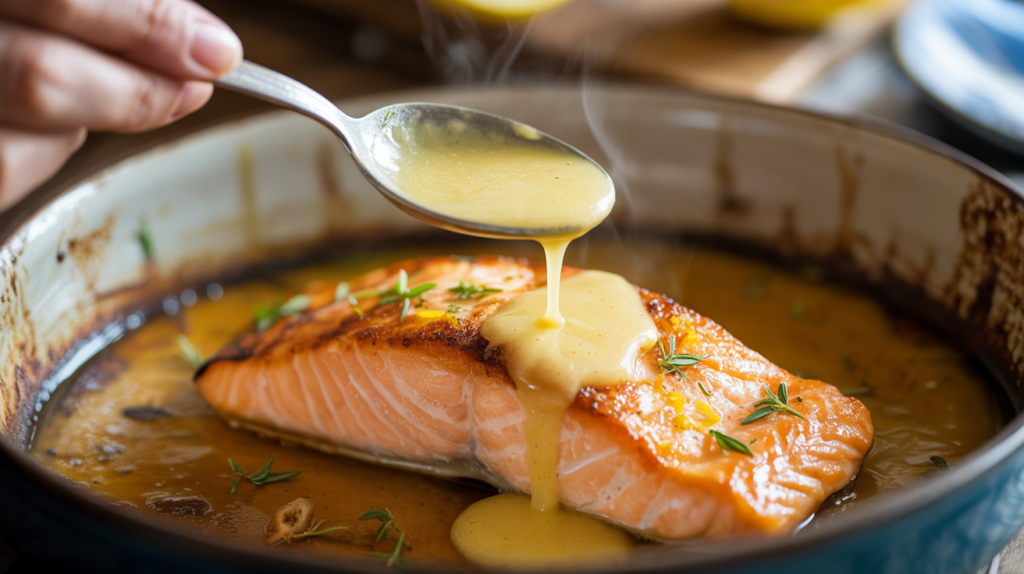
The natural colors of the Baked Salmon with Lemon Butter make it inherently beautiful, but a few simple techniques elevate the presentation to a professional level.
Serve the finished salmon on a clean, warm platter. The contrast of the pink-orange salmon against a white plate will look immediately appetizing and high-end.
The lemon slices used during baking should be visibly placed on or around the fillet to emphasize the fresh, zesty flavor profile.
Crucially, spoon the remaining golden lemon butter sauce from the pan over the salmon just before serving to provide a rich, glistening finish.
A final, generous sprinkle of freshly chopped dill or chives adds that pop of vibrant green color and a final aromatic touch that signals freshness.
Pro Tips & Fun Facts
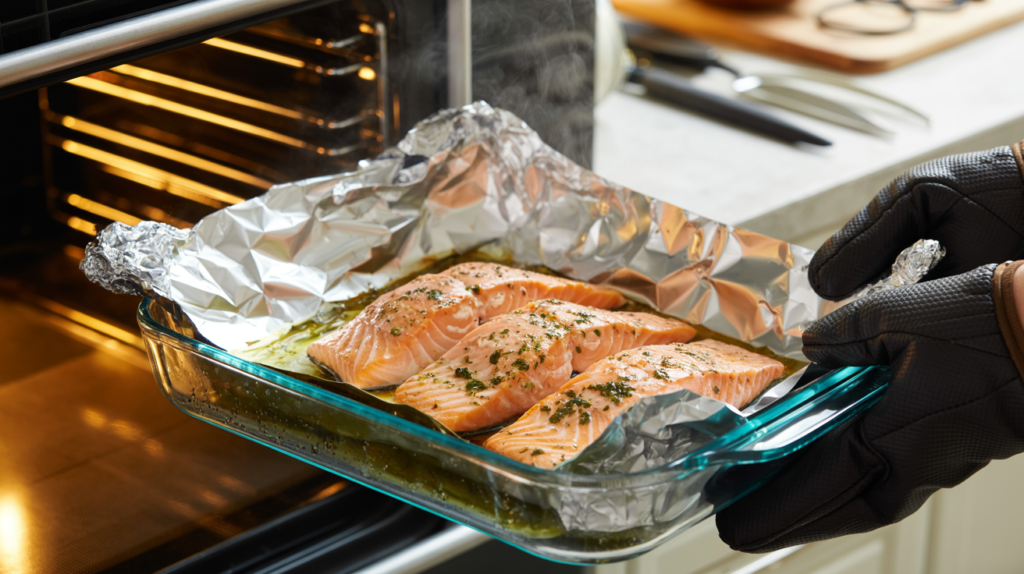
A fun fact: The vibrant pink color of salmon is a result of a pigment called astaxanthin, which they consume through their diet of krill and small crustaceans.
A crucial professional tip for achieving the moistest texture is to let the salmon rest, covered with foil, for 5 to 7 minutes after removing it from the oven. This allows the internal juices to redistribute.
For a cleaner look, peel off the skin after the salmon is baked but before serving. The heat makes it incredibly easy to remove in one smooth motion.
To infuse the butter with the maximum amount of flavor, slightly smash the garlic cloves before mincing them. This releases more of their aromatic oils into the lemon butter sauce.
Why You Should Try Baked Salmon with Lemon Butter
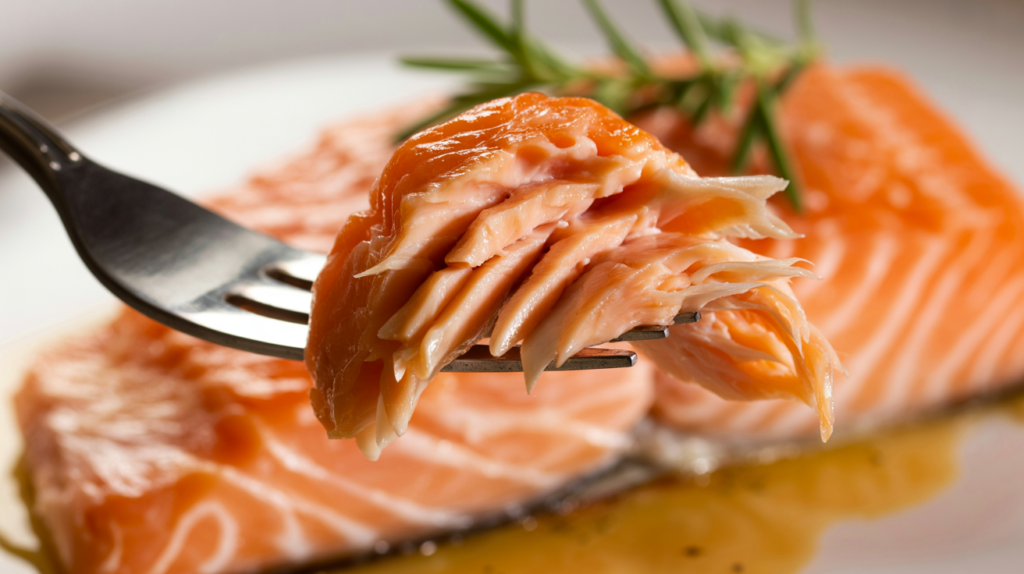
This Baked Salmon with Lemon Butter is the defining recipe for delivering a dinner that is impressive, quick, and exceptionally good for you.
It is guaranteed to produce tender, moist, and flaky salmon every time, ending the struggle with dry seafood. The rich, zesty lemon butter makes it utterly irresistible.
This is the perfect high-protein, heart-healthy weeknight hero that effortlessly transitions to a sophisticated meal for guests.
Don’t delay—experience the joy of a perfect, easy seafood dinner tonight.
If you liked this recipe, you may also enjoy…
- How to Make Garlic Butter Baked Shrimp (Step-by-Step USA Guide)
- Best Best Garlic Butter Salmon Fish Recipe | Easy, Crispy & Delicious Homemade Fish Recipe
- Best Easy Creamy Lemon Pasta (Pasta al Limone) Recipe
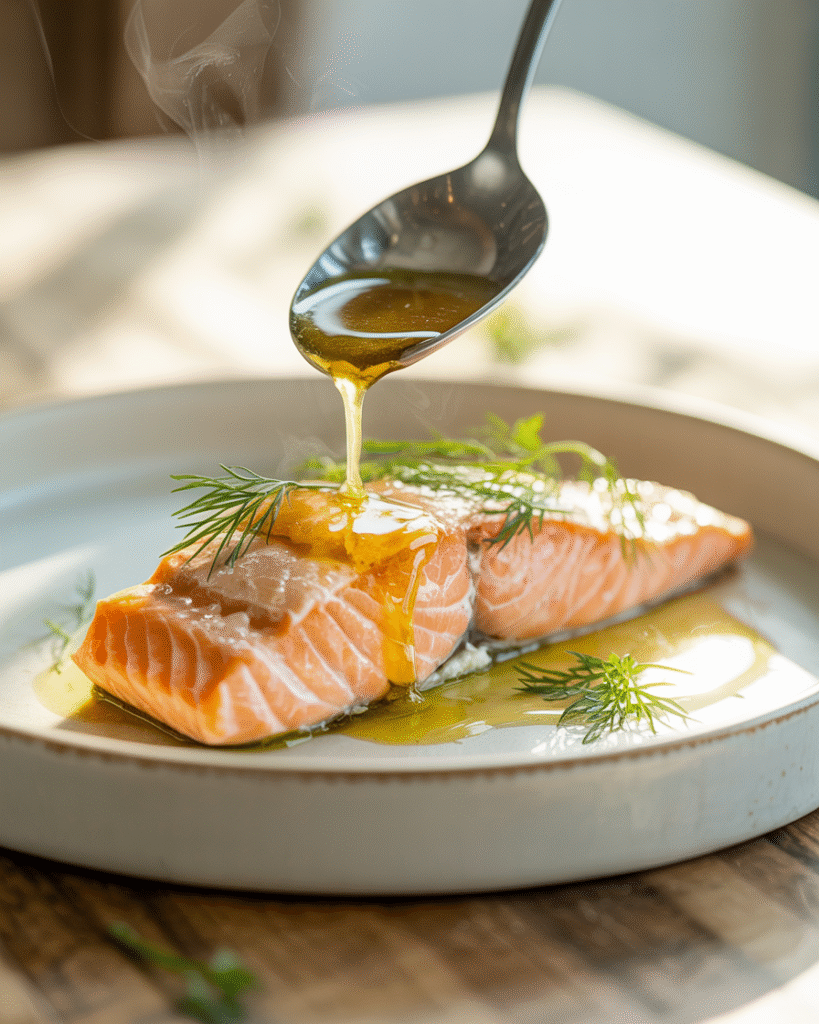

Best Baked Salmon With Lemon Butter Easy Quick Recipe
Description
This Easy Baked Salmon with Lemon Butter recipe yields perfectly flaky, moist fish every time. The method utilizes high-heat oven baking to lock in juices while the savory lemon-garlic butter sauce caramelizes gently on top. It is a low-carb, Keto-friendly, and gluten-free dinner option that requires minimal cleanup.
Ingredients
Instructions
-
Prepare the Oven and Tray
Preheat your oven to 200°C (400°F). Line a baking sheet with parchment paper or heavy-duty aluminum foil for easy cleanup. Lightly grease the foil if not using parchment.
-
Prepare the Salmon
Remove the salmon fillets from the refrigerator and pat them thoroughly dry with paper towels. Note: Dry fish ensures the butter sauce adheres properly. Place the fillets on the prepared baking sheet, skin-side down (if using skin-on). Season generously with salt and pepper.
-
Create the Lemon Butter Sauce
In a small mixing bowl, whisk together the melted butter, fresh lemon juice, minced garlic, and chopped herbs. Ensure the mixture is well combined.
-
Season the Fish
>Pour the butter mixture evenly over the salmon fillets. Use a pastry brush or the back of a spoon to ensure the top and sides of each fillet are fully coated in the sauce. Place lemon slices around the fish on the tray (roasting the lemon slices releases a wonderful aroma).
-
Bake
>Place the baking sheet in the center rack of the oven. Bake for 10 to 14 minutes.
-
data-path-to-node="68,0,0"><i>Texture Cue: The salmon is done when it turns opaque pink and flakes easily with a fork. The internal temperature should reach 62°C (145°F) at the thickest part.
-
-
Broil (Optional)
For a slightly golden top, switch the oven to "Broil" (Grill) for the last 1-2 minutes of cooking. Watch closely to prevent burning the garlic.
-
Rest and Serve
Remove from the oven and let the salmon rest on the pan for 3 minutes. This allows the juices to redistribute. Spoon any pan juices over the fish before serving. Garnish with extra fresh herbs.
Nutrition Facts
Servings 4
- Amount Per Serving
- Calories 380kcal
- % Daily Value *
- Total Fat 26g40%
- Saturated Fat 9g45%
- Cholesterol 105mg35%
- Sodium 340mg15%
- Total Carbohydrate 2g1%
- Protein 34g68%
* Percent Daily Values are based on a 2,000 calorie diet. Your daily value may be higher or lower depending on your calorie needs.
Note
Storage: Store leftovers in an airtight container in the refrigerator for up to 3 days.
Reheating: Reheat gently in a skillet over low heat or in the oven at a low temperature to prevent the fish from drying out. Avoid the microwave if possible.
Herbs: Dill, parsley, chives, and tarragon all pair excellently with this recipe.
