Salmon is one of the most versatile proteins in the modern culinary repertoire, yet achieving the perfect texture remains an elusive goal for many home cooks. Easy Baked Salmon with Lemon Butter represents the intersection of simplicity and sophistication. It is a dish that relies less on complex equipment and more on an understanding of thermal dynamics and flavor balancing.
This guide explores the fascinating background, nutritional profile, and theoretical preparation methods that transform a humble fish fillet into a restaurant-quality experience. By understanding the “why” behind the cooking process, one can master the “how.”
The Evolution of Salmon in Culinary History
The consumption of salmon dates back thousands of years, serving as a vital sustenance source for indigenous populations across the Pacific Northwest and the Atlantic coasts. However, the refinement of salmon preparation—specifically the integration of citrus and dairy fats—roots itself deeply in classic French gastronomy.


The French Connection
The concept of pairing fish with Beurre Citron (lemon butter) is a derivative of the classic Meunière style. Historically, French chefs understood that the richness of fatty fish required a sharp acidic counterpoint to cleanse the palate. Over the centuries, this evolved from pan-frying techniques to the more gentle, consistent method of oven baking. Baking allows for radiant heat to penetrate the protein evenly, minimizing the risk of drying out the delicate flakes, a common pitfall in high-heat sautéing.
Today, this dish stands as a pillar of contemporary cuisine, favored for its ability to deliver high-impact flavor with minimal intervention. It bridges the gap between rustic, home-style cooking and the refined elegance of white-tablecloth dining.
Deconstructing the Flavor Profile
Why does Easy Baked Salmon with Lemon Butter work so well on the palate? The answer lies in the science of contrasting flavors and textures.
The Fat-Acid Balance
Salmon is an oily fish, rich in natural lipids. From a sensory perspective, fat coats the tongue. While this provides a luxurious mouthfeel, it can become overwhelming without a “cutting” agent. Lemon juice provides the necessary acidity (citric acid) to slice through the richness of the salmon and the added butter. This interaction creates a harmonious balance where neither the fish nor the citrus dominates; instead, they elevate one another.
Textural Nuances
When baked correctly, salmon possesses a unique textural duality. The exterior should offer a slight firmness—a result of protein coagulation—while the interior remains opaque, tender, and moist. The addition of a butter-based sauce contributes a velvet-like finish to the dish. Unlike water-based sauces which can slide off, the emulsified nature of melted butter clings to the protein, ensuring that every bite carries the full flavor profile of herbs and citrus.
Nutritional Powerhouse: Beyond the Taste
While the culinary appeal is undeniable, the health benefits of this dish are equally compelling. Baked salmon is frequently cited by dietitians and nutritionists as a “superfood” meal preparation.
Omega-3 Fatty Acids
The primary nutritional claim to fame for salmon is its high concentration of Omega-3 fatty acids (EPA and DHA). These essential fats are renowned for supporting cardiovascular health, reducing inflammation, and promoting cognitive function. Because baking is a gentle cooking method, it helps preserve these delicate fatty acids better than deep-frying.
High-Quality Protein and Vitamins
A standard serving provides a substantial amount of high-quality protein, essential for muscle repair and satiety. Furthermore, salmon is one of the few natural food sources of Vitamin D, a crucial nutrient for bone health and immune system regulation. When paired with high-quality butter (a source of fat-soluble vitamins like A and K2) and fresh lemon (Vitamin C), the dish becomes a nutrient-dense powerhouse suitable for Paleo, Keto, and Mediterranean diets.
The Science of Baking Salmon: Concepts and Technique
Achieving the perfect bake is not about luck; it is about controlling variables. Understanding the thermal properties of fish is essential before attempting the recipe.
Thermal Regulation and Protein Coagulation
Fish proteins are far more delicate than those found in beef or poultry. They coagulate at lower temperatures. The objective of baking is to bring the internal temperature of the fish to the point where the connective tissues (collagen) break down into gelatin, allowing the flakes to separate, without tightening the muscle fibers so much that they squeeze out moisture.
High-temperature baking is often preferred for thinner fillets to develop a crust quickly, while lower temperatures are better for thick, center-cut fillets to ensure even cooking. The “carry-over cooking” principle is vital here; the fish continues to cook for several minutes after being removed from the oven.
The Art of the Compound Sauce
The “Lemon Butter” component is more than just two ingredients thrown together. It acts as a basting agent. In a high-heat environment, the water content in the butter evaporates, leaving behind milk solids that can brown and develop nutty flavors (Maillard reaction), while the fat conducts heat directly to the surface of the fish. Infusing this fat with aromatics like garlic or herbs before baking allows the oils in the herbs to bloom, releasing their full aromatic potential into the fish itself.
The Importance of Surface Preparation
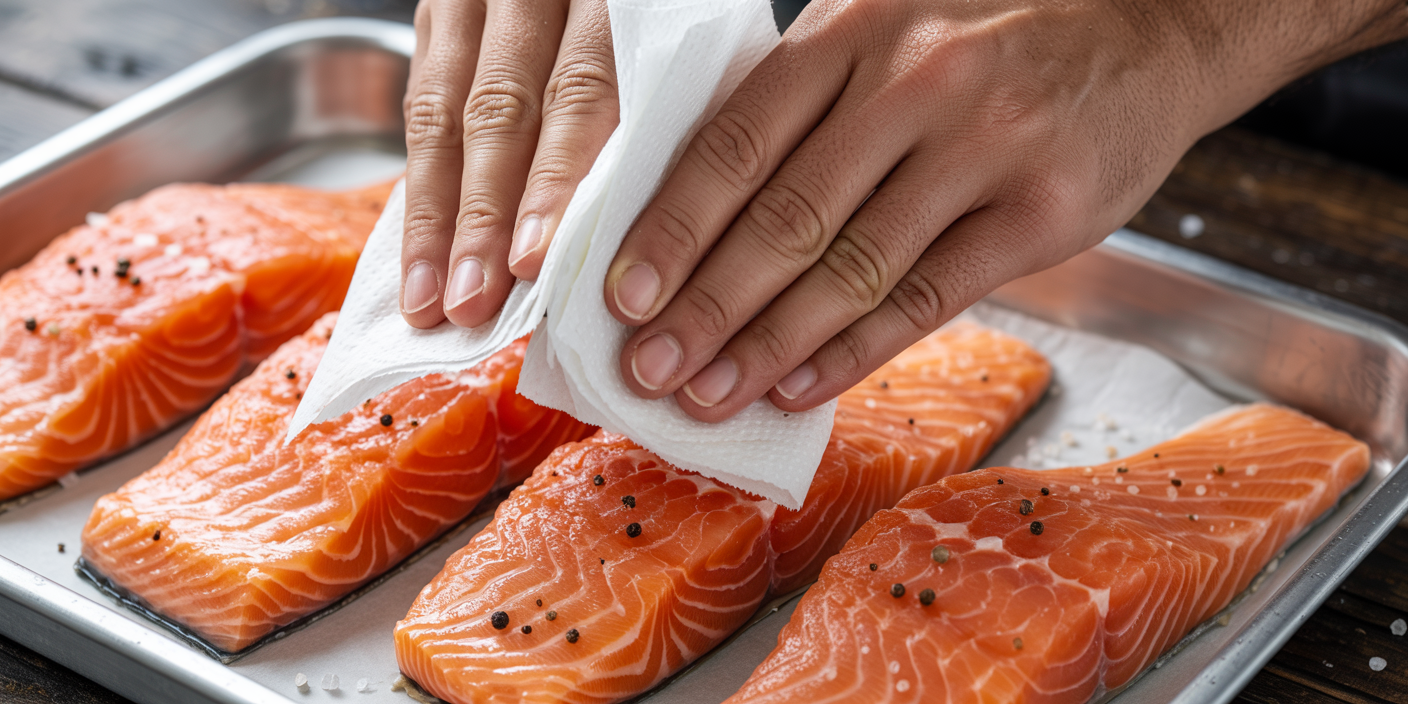
One critical concept in professional kitchens is moisture management. For the butter and seasonings to adhere properly, the surface of the fish must be dry before any fat is applied. Excess surface moisture creates steam, which can result in a poached texture rather than a baked or roasted one.
While seafood requires a delicate touch and precise timing, those seeking a robust meat alternative might appreciate the depth found in an Easy Steak Marinade. Understanding how marinades work for beef can provide an interesting contrast to the direct seasoning approach used for delicate fish like salmon.
Serving, Plating, and Pairing Suggestions
The visual presentation of Easy Baked Salmon with Lemon Butter should reflect its vibrant, fresh flavors.
Plating Aesthetics
Contrast is key. The pink-orange hue of the salmon pops beautifully against cool-toned plates (slate or white). Garnishing is not merely decorative; it signals the flavor profile. Fresh herbs used in the baking process should be refreshed with raw herbs upon serving to add a bright green visual and a fresh aromatic burst. Lemon wheels or wedges are essential to indicate the primary flavor note.
Side Dish Harmonies
Because the main dish is rich and buttery, side dishes should offer textural contrast or absorption capabilities.
- Roasted Vegetables: Asparagus, broccolini, or green beans provide a crunch that contrasts with the soft fish.
- Starches: A bed of fluffly quinoa, wild rice, or roasted baby potatoes works well to soak up the excess lemon butter sauce.
- Salads: A crisp arugula salad with a sharp vinaigrette can cut through the richness of the meal.
Wine Pairings
The classic rule of “white wine with fish” holds true, but specificity matters.
- Chardonnay: An oaked Chardonnay complements the buttery elements of the dish.
- Sauvignon Blanc: The high acidity of this wine mirrors the lemon juice, creating a refreshing pairing.
- Pinot Noir: For red wine lovers, a light Pinot Noir can work, provided the salmon is not overly seasoned with garlic.
Conclusion
Easy Baked Salmon with Lemon Butter is more than a quick weeknight dinner; it is a study in culinary balance. By mastering the concepts of gentle heat, lipid-acid interaction, and proper seasoning, you elevate a simple ingredient into a centerpiece worthy of any occasion.
The secret to success lies not just in the ingredients, but in the precision of the method. Now that you understand the history, science, and nutritional benefits behind this classic dish, you are ready to execute it with confidence.
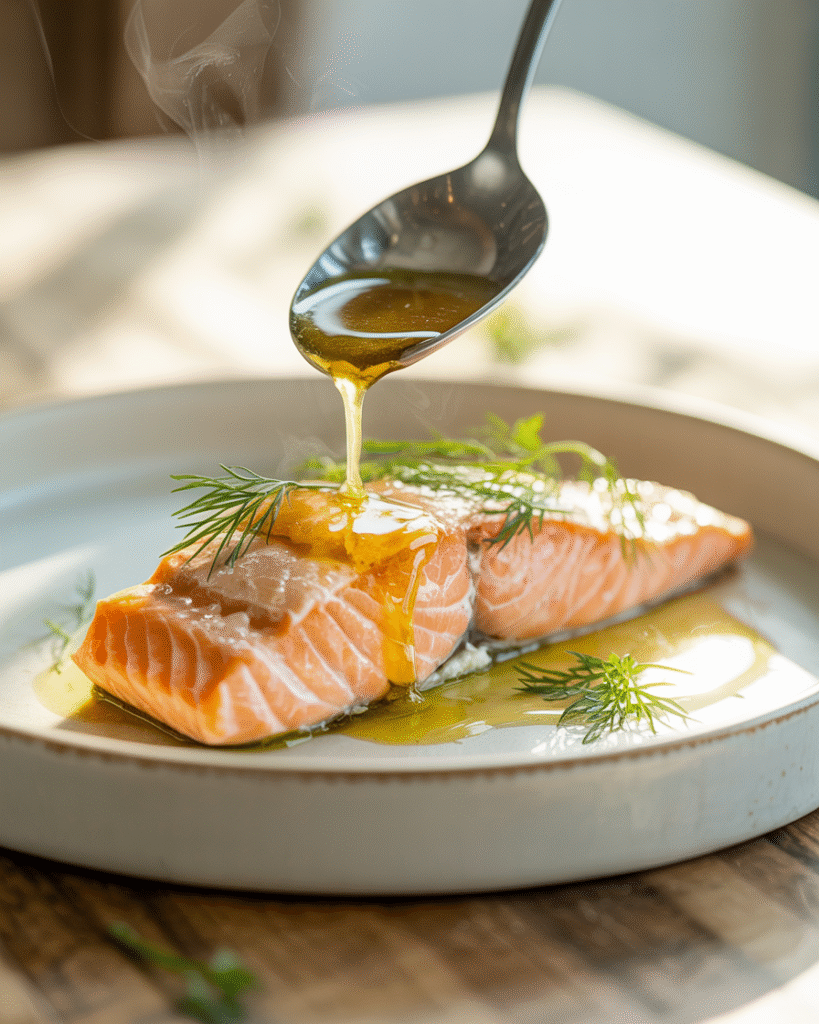

Easy Baked Salmon with Lemon Butter
Description
This Easy Baked Salmon with Lemon Butter recipe yields perfectly flaky, moist fish every time. The method utilizes high-heat oven baking to lock in juices while the savory lemon-garlic butter sauce caramelizes gently on top. It is a low-carb, Keto-friendly, and gluten-free dinner option that requires minimal cleanup.
Ingredients
Instructions
-
Prepare the Oven and Tray
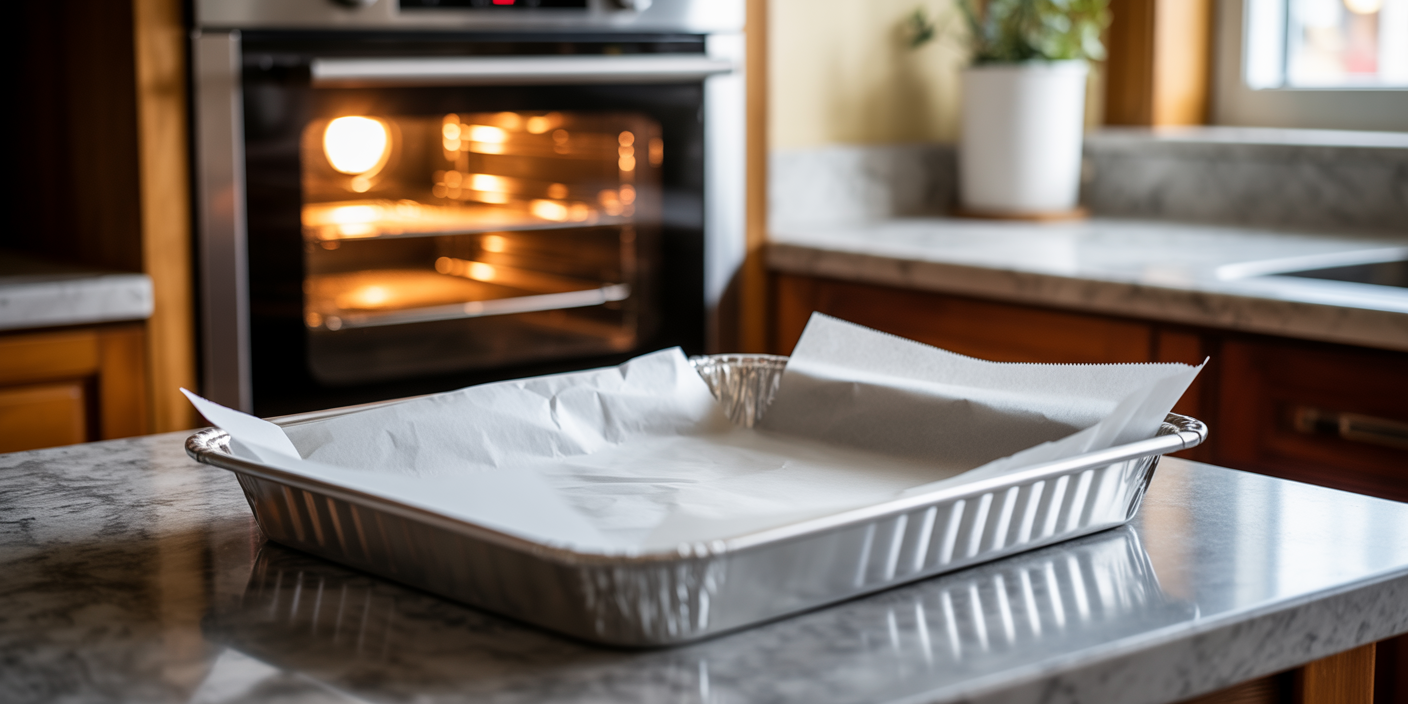
Preheat your oven to 200°C (400°F). Line a baking sheet with parchment paper or heavy-duty aluminum foil for easy cleanup. Lightly grease the foil if not using parchment.
-
Prepare the Salmon
Remove the salmon fillets from the refrigerator and pat them thoroughly dry with paper towels. Note: Dry fish ensures the butter sauce adheres properly. Place the fillets on the prepared baking sheet, skin-side down (if using skin-on). Season generously with salt and pepper.
-
Create the Lemon Butter Sauce
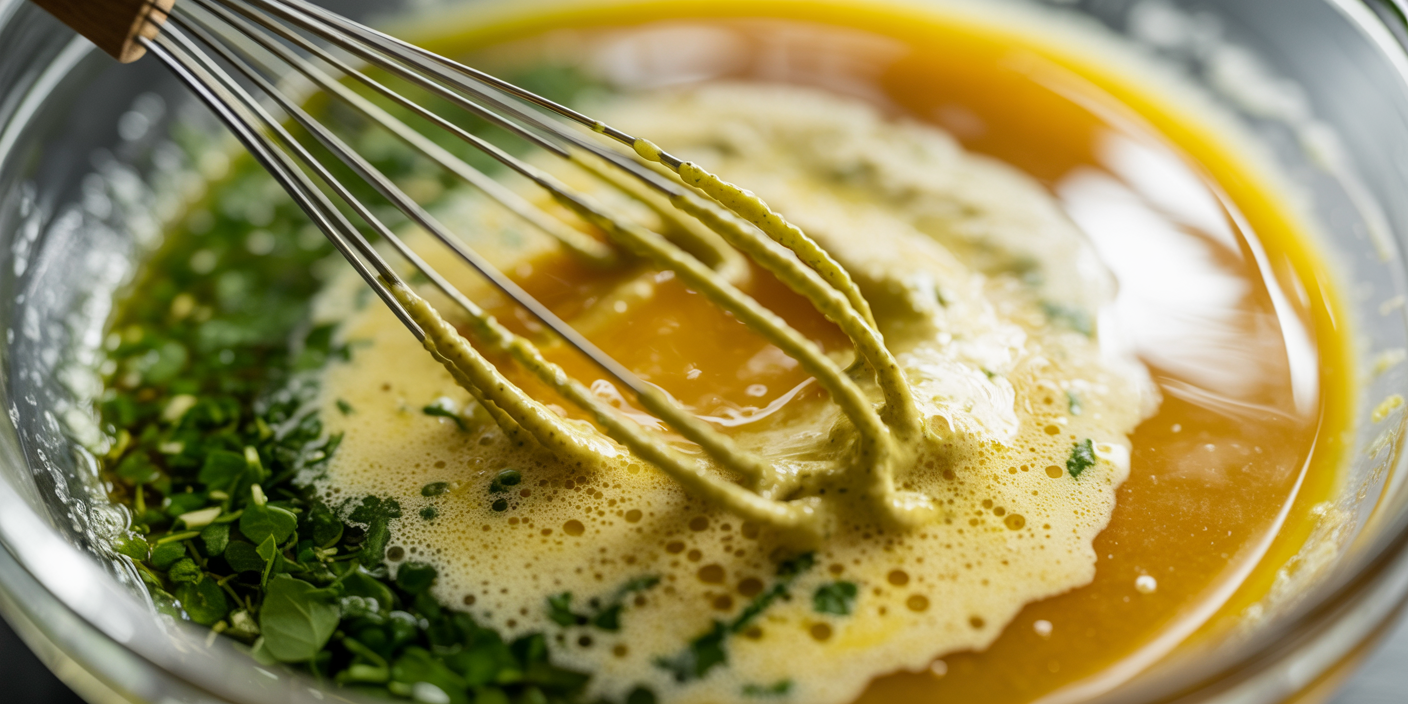
In a small mixing bowl, whisk together the melted butter, fresh lemon juice, minced garlic, and chopped herbs. Ensure the mixture is well combined.
-
Season the Fish
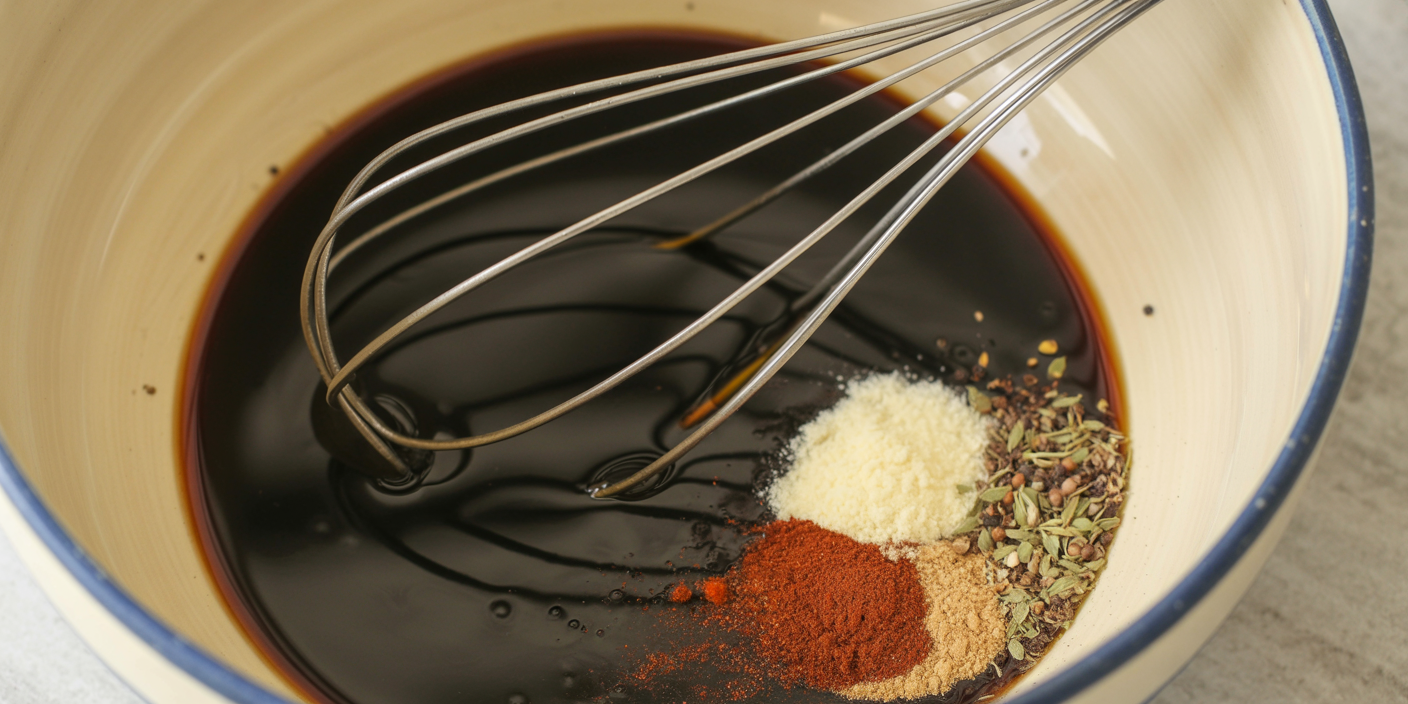
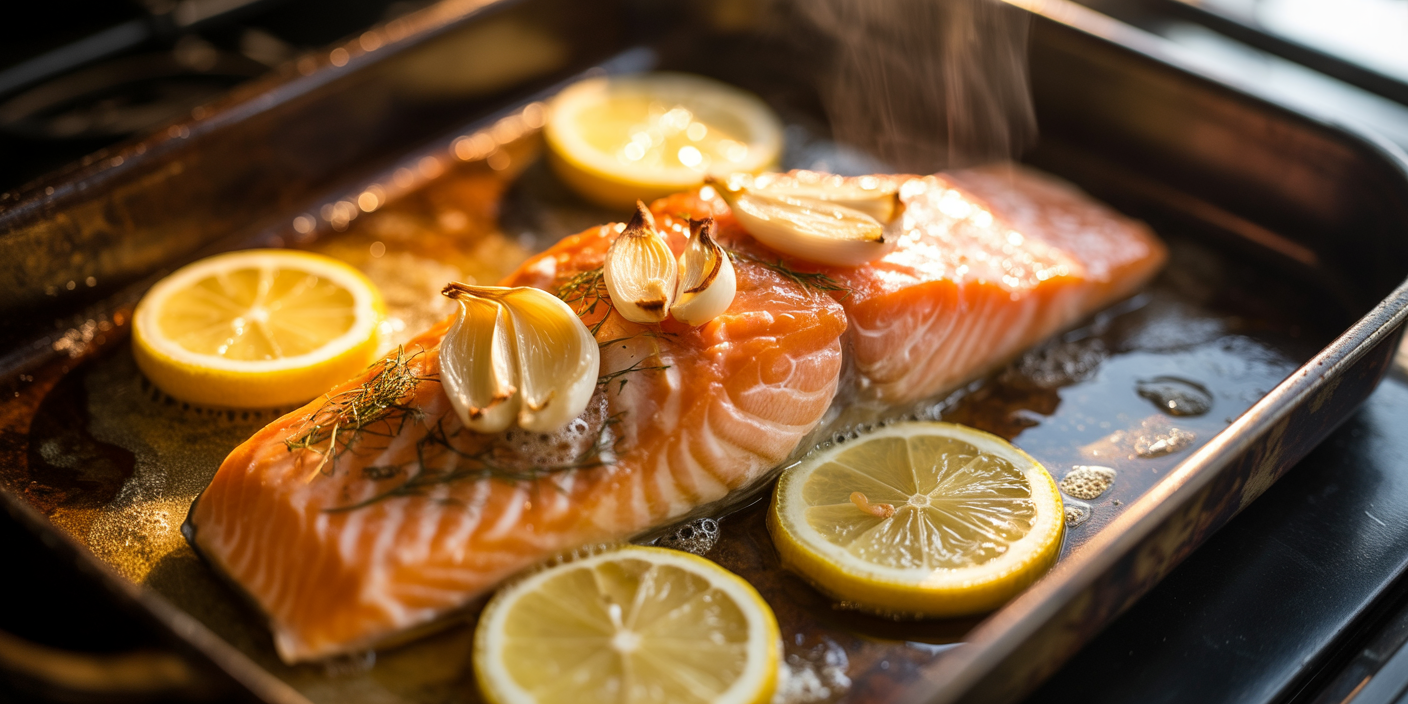
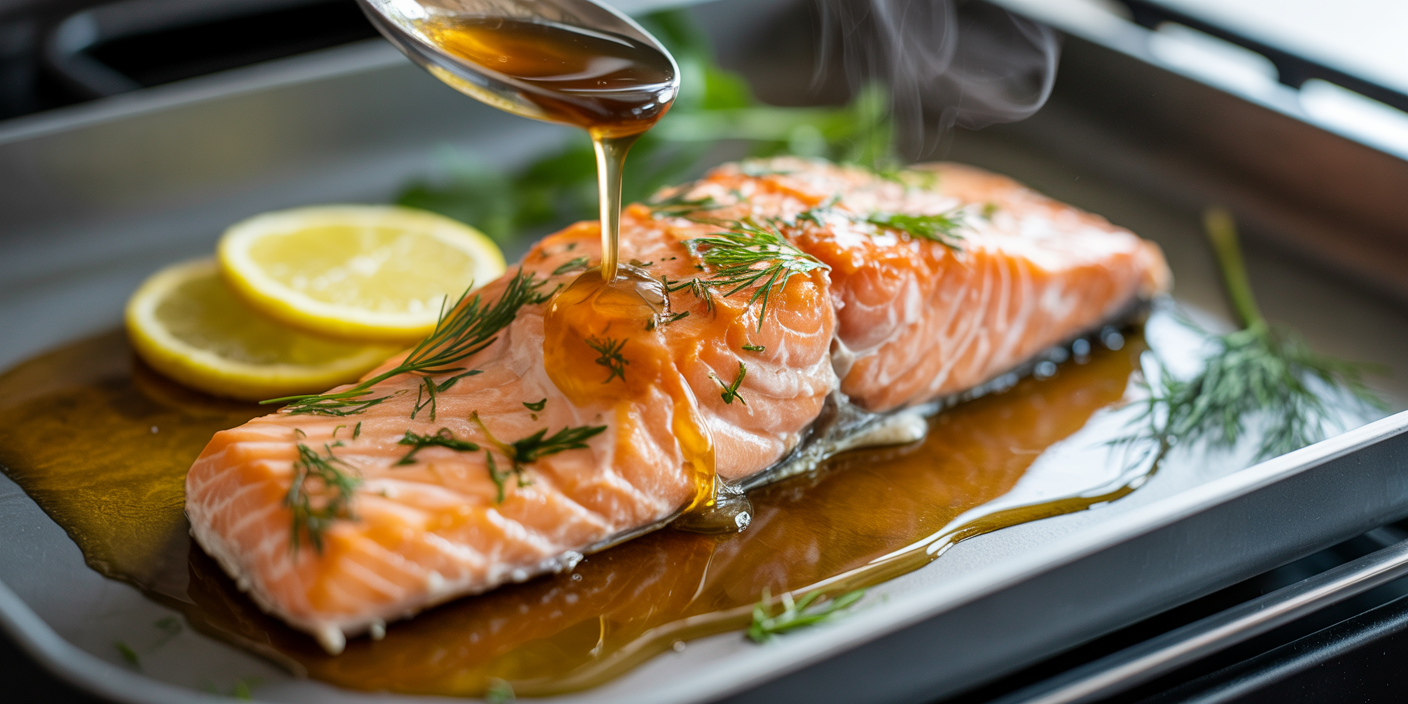
>Pour the butter mixture evenly over the salmon fillets. Use a pastry brush or the back of a spoon to ensure the top and sides of each fillet are fully coated in the sauce. Place lemon slices around the fish on the tray (roasting the lemon slices releases a wonderful aroma).
-
Bake
>Place the baking sheet in the center rack of the oven. Bake for 10 to 14 minutes.
-
data-path-to-node="68,0,0"><i>Texture Cue: The salmon is done when it turns opaque pink and flakes easily with a fork. The internal temperature should reach 62°C (145°F) at the thickest part.

-
-
Broil (Optional)
For a slightly golden top, switch the oven to "Broil" (Grill) for the last 1-2 minutes of cooking. Watch closely to prevent burning the garlic.
-
Rest and Serve
Remove from the oven and let the salmon rest on the pan for 3 minutes. This allows the juices to redistribute. Spoon any pan juices over the fish before serving. Garnish with extra fresh herbs.
Nutrition Facts
Servings 4
- Amount Per Serving
- Calories 380kcal
- % Daily Value *
- Total Fat 26g40%
- Saturated Fat 9g45%
- Cholesterol 105mg35%
- Sodium 340mg15%
- Total Carbohydrate 2g1%
- Protein 34g68%
* Percent Daily Values are based on a 2,000 calorie diet. Your daily value may be higher or lower depending on your calorie needs.
Note
Storage: Store leftovers in an airtight container in the refrigerator for up to 3 days.
Reheating: Reheat gently in a skillet over low heat or in the oven at a low temperature to prevent the fish from drying out. Avoid the microwave if possible.
Herbs: Dill, parsley, chives, and tarragon all pair excellently with this recipe.