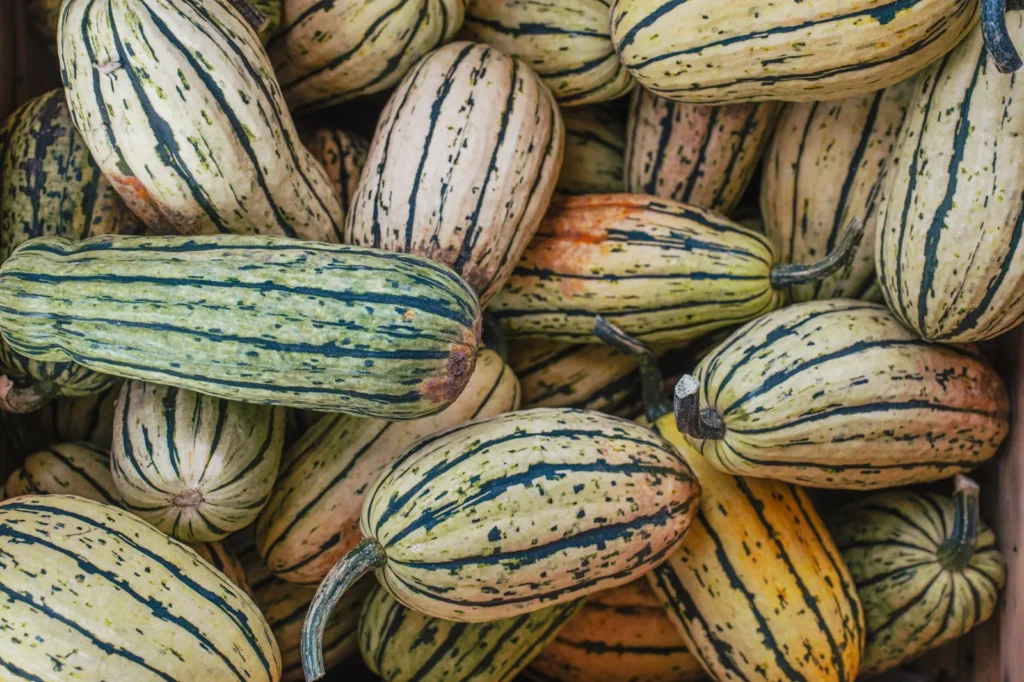
A delicata parmesan recipe turns the slender, sweet winter squash into a crisp-edged side that eats like a cross between fries and gratin. The thin skin softens fully in the oven, so there's no peeling and very little waste. You get caramelized squash under a salty, toasted cheese layer in about thirty-five minutes from start to finish.
Delicata has a shorter growing season than butternut, showing up from early fall through December in most markets. Its flesh stays creamy while the outside browns, which makes it a good match for hard cheese. This version keeps the prep minimal so the squash flavor stays front and center. If you enjoyed this, our traditional baked garlic is worth trying next. Making this delicata parmesan at home is surprisingly straightforward once you know the key steps.
Why You'll Love These Delicata Parmesan
- No peeling required since the skin turns tender when roasted.
- Only six ingredients, most of which are pantry staples.
- The cheese forms a light crust that adds crunch without a coating.
- Works as a weeknight side or a holiday platter filler.
- Naturally gluten free when made exactly as written.
Ingredients You'll Need
- 2 medium delicata squash (about 1.5 lb total), ends trimmed, sliced into 1/2-inch rings
- 2 tbsp olive oil
- 1/2 cup grated parmesan cheese (finely ground, not shredded)
- 1/2 tsp salt
- 1/4 tsp black pepper
- 1/2 tsp garlic powder
Ingredient Substitutions
Olive oil: Replace with an equal amount of melted butter for a richer, more toasty flavor. Butter browns faster than oil, so check the squash at the 20-minute mark to avoid scorched edges. The texture stays the same but the surface takes on a deeper golden color. The delicata parmesan works well for weeknight cooking when time is limited.
Parmesan cheese: Use an equal weight of finely grated pecorino romano for a sharper, saltier result. Pecorino crisps slightly harder than parmesan and can brown quicker, so lower the oven by 10°F if you swap. The squash will taste more sheep-milk tangy than nutty. Storing leftover delicata parmesan correctly keeps it tasting good for days.
Garlic powder: Swap for 1 tsp minced fresh garlic mixed into the oil before brushing. Fresh garlic can burn on the pan, so keep pieces small and tuck them under the squash. You get a brighter, less uniform garlic note across the rings. For the best results with this delicata parmesan, read through all the steps before starting.
Black pepper: Replace with 1/4 tsp smoked paprika for a warm, woodsy flavor instead of heat. Smoked paprika adds color but no bite, so add a pinch of cayenne if you want some warmth. The finished dish reads more like a roasted pepper profile.
Step-by-Step Instructions
- Heat the oven to 180°C / 350°F and line a sheet pan with parchment. Arrange the squash rings in a single layer with space between each piece so steam escapes.
- Brush both sides of the rings with olive oil using a pastry brush. The oil helps the cheese stick and promotes browning on the bottom.
- Mix parmesan, salt, pepper, and garlic powder in a small bowl. Sprinkle the blend evenly over the tops of the rings, pressing lightly so it adheres.
- Roast on the middle rack for 25–30 minutes until the bottoms are golden and crispy and the flesh yields to a fork. Avoid opening the oven early to keep heat steady.
- Slide the pan out, flip the rings carefully with a thin spatula, and roast 5 minutes more to set the cheese on the second side. Remove when the coating looks dry and lightly browned.
Pro Tips
Cut the rings to a uniform half-inch thickness so they cook at the same rate. Thicker pieces stay raw in the center while thin ones burn.
Use finely ground parmesan from a wedge, not the dry canned style, for better melting and a truer crust. The pre-shredded bags include starch that limits browning.
Place the pan on the lower third of the oven if your top browns before the squash softens. This protects the cheese while the flesh finishes.
Read about roasting techniques to understand how surface moisture affects crispness on vegetables like these.
Let the pan rest 2 minutes before lifting the rings so the cheese firms and releases cleanly from the paper.
Common Mistakes to Avoid
Crowding the pan traps steam and leaves the cheese soggy. Use two trays if the rings overlap at all.
Skipping the oil brush makes the parmesan fall off during the flip. The fat is the glue between skin and cheese.
Roasting at too high a temperature burns the cheese before the dense flesh cooks through. Stay at the listed 180°C / 350°F for even results.
Serving Suggestions
Pair the rings with garlic parmesan salmon for a matching cheese theme on the plate. The soft fish balances the crisp squash.
Add a sharp green like arugula underneath and a squeeze of lemon to cut the salt. The bitterness and acid keep the dish from feeling heavy.
Stack the rings on a warm platter with porchetta roast slices for a holiday table that mixes soft and crunchy textures.
Storage and Reheating
Keep leftovers in an airtight container in the fridge for up to 3 days. The cheese softens but the squash stays safe and tender.
Reheat on a tray at 180°C / 350°F for 8 minutes until the surface crisps again. A microwave makes the coating chewy, so use the oven or a toaster oven.
Do not leave cooked squash at room temperature longer than 2 hours since the dairy coating can harbor bacteria once cooled slowly.
Recipe Variations
Herb Version
Add 1 tsp dried thyme to the cheese mix before sprinkling. The herb turns the crust more aromatic and pairs well with roasted poultry. Expect a greener fleck and a woodsy note in each bite.
Spicy Version
Mix 1/4 tsp cayenne into the parmesan blend for heat that builds after the first bite. The squash sweetness offsets the chili so it stays balanced. Serve with cooling vegan bulgogi if you want a full spread.
Bacon Topped
Scatter 2 tbsp cooked, crumbled bacon over the rings after roasting for a smoky, meaty layer. The bacon adds chew against the crisp cheese and soft flesh. Use it as a hearty steak pinwheels side.
Lemon Pepper
Replace black pepper with lemon pepper seasoning and add 1 tsp lemon zest to the cheese. The citrus brightens the rich parmesan and makes the dish feel lighter. It works well next to mustard ribs at a cookout.