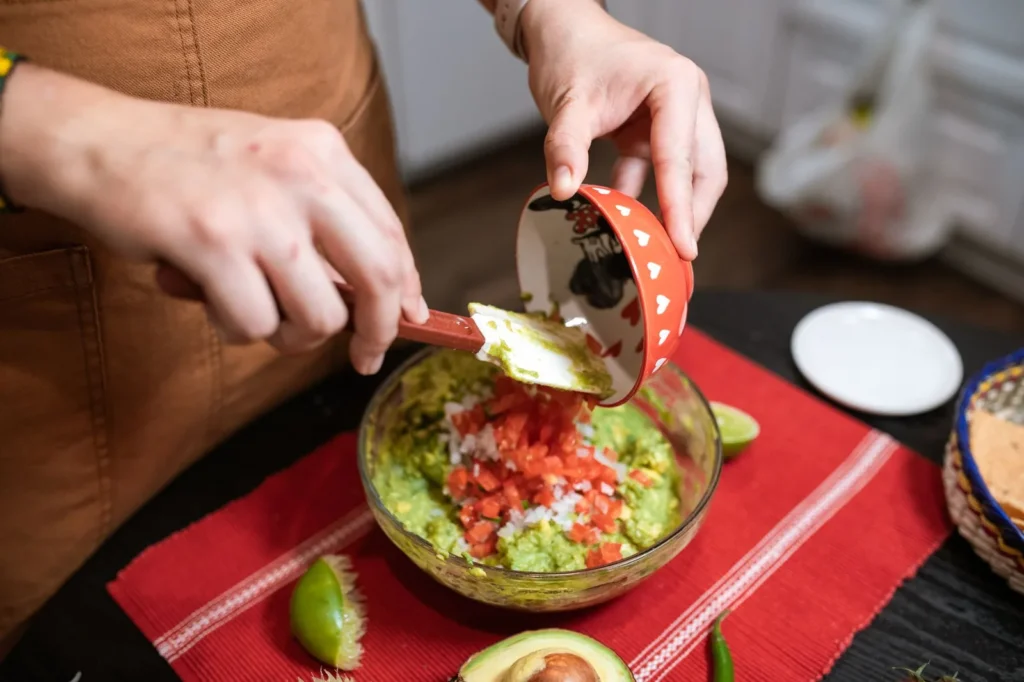
The best part of making easy creamy homemade guacamole is how fast it comes together with just a fork and a bowl. You get a silky, scoopable dip that still keeps small avocado chunks for bite. This version skips the watery fillers and leans on ripe fruit and acid to stay bright.
Most store tubs taste flat because they sit oxidized and cold; yours will be fresh, green, and ready in about ten minutes. The method below gives you control over texture so it lands creamy without turning into baby food. You'll also learn the small moves that keep it from browning before the party starts. If you enjoyed this, our lemon pasta pasta is worth trying next. Making this easy creamy homemade guacamole at home is surprisingly straightforward once you know the key steps.
Why You'll Love These Easy Creamy Homemade Guacamole
- Smooth mash in under ten minutes with no food processor required
- Ripe avocado gives natural creaminess without sour cream or mayo
- Lime and salt keep the green color and punch up the flavor
- Scales from a two-person snack to a party bowl with no rewrite
- Works as a taco topping, sandwich spread, or veggie dip
Ingredients You'll Need
- 3 ripe Hass avocados (about 450 g total), halved and pitted
- 1 small lime, juiced (about 2 tbsp)
- 1/4 cup finely diced white onion
- 1 small Roma tomato, seeded and diced
- 2 tbsp chopped fresh cilantro
- 1/2 tsp fine sea salt, plus more to taste
- 1/4 tsp ground cumin
- 1 tbsp water, if needed for looseness
Ingredient Substitutions
White onion: Replace the 1/4 cup white onion with the same amount of finely minced red onion for a sharper, sweeter bite. Red onion bleeds a little purple into the dip and tastes stronger raw, so rinse it under cold water for 30 seconds before adding if you want it milder. The texture stays similar but the flavor reads more pungent and floral. The easy creamy homemade guacamole works well for weeknight cooking when time is limited.
Roma tomato: Swap the seeded Roma for 1/4 cup drained canned diced tomatoes if fresh ones are out of season. Canned tomatoes are softer and wetter, so press them in a sieve to remove liquid or your guac turns soupy. You lose the firm cube texture but keep the acidic tomato note that balances the fat. Storing leftover easy creamy homemade guacamole correctly keeps it tasting good for days.
Fresh cilantro: Use 1 tsp dried cilantro in place of the 2 tbsp fresh if you only have the jarred kind. Dried herb spreads less flavor per gram, so crush it between your fingers before adding and expect a duller, hay-like note rather than bright leafiness. Skip it entirely for a cilantro-free version that still tastes clean. For the best results with this easy creamy homemade guacamole, read through all the steps before starting.
Lime juice: Substitute lemon juice in the same 2 tbsp amount when limes are pricey. Lemon reads sharper and less floral, so cut the salt by a pinch to keep it from tasting too tart. The color protection is nearly identical because both fruits are high in citric acid.
Ground cumin: Replace the 1/4 tsp cumin with 1/4 tsp smoked paprika for a warmer, rounder background. Smoked paprika adds a reddish tint and no earthy bite, which changes the dip from Mexican-style to more grill-adjacent. Use it when you plan to serve the guac with roasted meats rather than raw veg. For another easy option, check out our creme brulee authentic.
Step-by-Step Instructions
- Scoop the avocado flesh into a medium bowl. Mash with a fork on medium-low heat is not needed here; use firm pressure for 30 seconds until mostly smooth with a few small lumps remaining for texture.
- Add the lime juice and stir for 10 seconds so the acid coats the fruit and slows browning. The mix should look glossy, not separated.
- Fold in white onion, tomato, cilantro, salt, and cumin with a spatula. Turn gently for 20 seconds until evenly distributed but not beaten down.
- Taste and add the tablespoon of water only if the mash feels stiff. It should fall off the spatula in a slow ribbon, not stand in a peak.
- Press a sheet of plastic wrap directly onto the surface and refrigerate for 5 minutes if you want it cooler, or serve immediately at room temp for the softest mouthfeel.
Pro Tips
Pick avocados that yield to gentle thumb pressure at the neck; that spot ripens first and tells you the inside is soft without being stringy. A rock-hard body with a soft neck means uneven ripening and brown streaks.
Cut onions and tomato small so they season every bite instead of clustering. Big chunks push the creamy base aside and make the dip feel like a salad with sauce.
Read the avocado handling guidance from Bon Appetit if you want to see how restaurant cooks keep fruit from oxidizing during prep. Their cold-water trick works when you must hold mash for a buffet line.
Save one avocado pit and drop it in the bowl before wrapping; it shields the surface from air at the contact point. It won't stop all browning but buys you an extra hour of good green near the center.
Common Mistakes to Avoid
Using unripe avocados gives a waxy, flavorless mash that no amount of lime fixes. Wait until the skin darkens and the fruit gives, or the dip stays pasty and chalky.
Overmashing turns the base into a uniform puree that loses the pleasant chunk contrast. Stop when you still see pea-sized bits, because they carry the tomato and onion nicely.
Adding salt at the very end without folding means salty top and bland bottom. Stir it in step three with the veg so the sodium dissolves into the moisture and seasons the whole bowl. You might also like our avocado smoothie.
Serving Suggestions
Spoon the dip over Margherita pizza slices as a cold contrast to warm cheese. The creaminess cools the tomato sauce and adds a fresh note the baked pie lacks.
Pair with spinach artichoke dip on a snack board so guests get a green creamy option and a baked creamy one. Keep both in separate small bowls to preserve their distinct textures.
Spread a thin layer inside chicken tacos or on toasted sourdough for a five-minute lunch. The fat holds the bread together and the acid cuts through any rich meat.
Storage and Reheating
Place the guac in an airtight container and press wrap to the top; it keeps in the fridge for up to 2 days because of the fresh tomato and onion. Beyond that the veg softens and the lime can't hold the color.
Freezing changes the cell structure so the thawed base weeps water and turns grainy, so skip the freezer for this dip. If you must hold it, freeze plain mashed avocado with lime and add veg after thaw.
There is no safe reheating step because heat turns the mash brown and breaks the fat; serve immediately cold or at room temp. Pull it from the fridge only when guests are ready to eat. Pair this with our coffee loophole for more ideas.
Recipe Variations
Spicy Jalapeño Version
Add one seeded and minced jalapeño with the onion in step three for a clean heat that builds slowly. Keep the seeds in if you want a sharper burn, and drop the cumin to let the pepper lead. The texture stays creamy with small green specks throughout.
Roasted Garlic Swap
Replace the raw onion with 1 tbsp of mashed roasted garlic cloves for a sweet, mellow backbone. Roast a full head at 180°C / 350°F for 25–30 minutes, squeeze out the soft paste, and fold it in. You lose the raw bite but gain a rounded savory depth that pairs with grilled steak.
Greek Yogurt Blend
Stir 2 tbsp plain Greek yogurt into the mashed base before the veg for extra tang and protein. The yogurt loosens the dip, so cut the water entirely and add salt carefully because dairy dulls lime. Expect a paler green and a cooler, thicker spoonable result.
Mango Crunch Option
Fold in 1/4 cup diced ripe mango at the end for a sweet counterpoint to the lime and salt. The fruit adds juice, so pat it dry first or the bowl slips toward salsa. You get a creamy base with bright orange cubes that read tropical against the green.