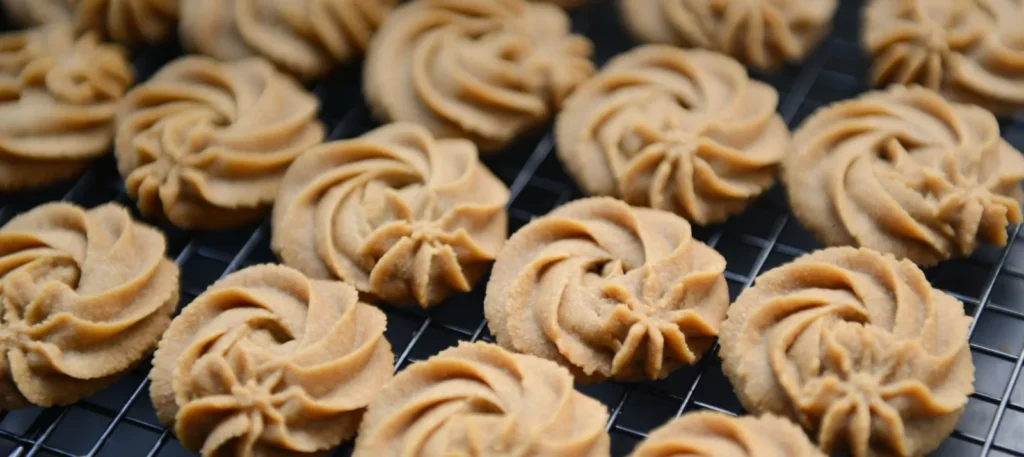
A cookie butter cake recipe turns the thick, spiced spread made from crushed speculoos cookies into a tender, fragrant dessert with a dense crumb and a sweet swirl running through the middle. The batter comes together in one bowl and bakes into a loaf that tastes like the filling of a spiced cookie pressed into soft cake form. You get a bake that reads as familiar but feels a little special because of the warm cinnamon and caramelized sugar notes from the spread.
This version keeps the ingredient list short and the method forgiving, so you don't need a stand mixer or any special pan. The result is a cake that holds together when sliced, browns evenly, and stays moist for several days thanks to the fat in the cookie butter. It works as an afternoon treat with coffee or as a plain dessert after a weeknight meal. If you enjoyed this, our meatball without eggs is worth trying next. Making this cookie butter cake at home is surprisingly straightforward once you know the key steps.
Why You'll Love These Cookie Butter Cakes
- One bowl, no mixer — the batter is stirred by hand in about ten minutes.
- Real speculoos flavor from cookie butter, not just cinnamon sprinkled in.
- Stays moist up to four days thanks to the oil and spread fats.
- Freezes cleanly, so you can bake ahead for guests.
- Swirl looks bakery-style with zero piping or layering skill.
Ingredients You'll Need
- 1 1/2 cups (190g) all-purpose flour — gives structure without a heavy crumb.
- 1 tsp baking powder — lifts the loaf so it isn't too dense.
- 1/4 tsp fine salt — balances the sweet spread.
- 3/4 cup (150g) granulated sugar — feeds browning and tenderness.
- 1/2 cup (120ml) neutral oil — keeps the crumb soft at room temp.
- 2 large eggs, room temperature — bind and add lift.
- 1/2 cup (120g) full-fat sour cream — adds moisture and a slight tang.
- 1 cup (250g) smooth cookie butter (speculoos spread) — flavor and swirl.
- 1 tsp vanilla extract — rounds the spice notes.
Ingredient Substitutions
Neutral oil: Replace with an equal volume of melted unsalted butter for a richer, more pastry-like crumb. Butter solidifies when cool, so the loaf will feel firmer at room temperature and soften as it warms. Expect deeper browning on the crust and a shorter moist window of about three days instead of four. The cookie butter cake works well for weeknight cooking when time is limited.
Full-fat sour cream: Use an equal weight of plain Greek yogurt if that's what you keep on hand. Greek yogurt is thicker and a touch more acidic, so the crumb stays tender but the flavor leans less sweet. You may see slightly slower browning because of the lower sugar content in the dairy swap. Storing leftover cookie butter cake correctly keeps it tasting good for days.
Smooth cookie butter: Swap in crunchy speculoos spread using the same weight for a dotted texture in the swirl. The small cookie bits soften during baking but still give a faint bite against the soft crumb. Avoid natural peanut butter here — it separates and changes both flavor and structure. For the best results with this cookie butter cake, read through all the steps before starting.
All-purpose flour: Replace with an equal weight of measure-for-measure gluten-free blend if needed. These blends often include xanthan gum, which holds the crumb, but the loaf can dry a little faster, so check doneness at the early end of the bake window. The crust may crack more on top. For another easy option, check out our garlic butter baked.
Step-by-Step Instructions
- Heat the oven to 180°C / 350°F and line a 9x5 inch loaf pan with parchment so the paper hangs over two sides for easy lift-out.
- Whisk flour, baking powder, and salt in a small bowl until evenly mixed, then set aside.
- In a large bowl, whisk sugar, oil, eggs, sour cream, and vanilla on medium-low heat is not needed here — just whisk by hand for about 2 minutes until smooth and slightly thickened.
- Add the dry mix and stir with a spatula until you see no dry streaks, then stop — overmixing tightens the crumb.
- Pour half the batter into the pan, dollop half the cookie butter in teaspoons across the top, then repeat with remaining batter and spread.
- Drag a knife through the layers in a slow S pattern to make a swirl, keeping it shallow so the swirl stays visible after baking.
- Bake 45–50 minutes until the top is golden and a toothpick inserted near the center comes out with a few moist crumbs.
- Cool in the pan for 15 minutes, then lift out and cool fully on a rack before slicing so the crumb sets.
Pro Tips
Room-temperature eggs blend into the oil and sugar without seizing, so the batter stays even instead of breaking into clumps that bake as dense spots.
Warm the cookie butter for 10 seconds in the microwave if it's stiff from a cold pantry — a looser spread swirls in clean ribbons instead of tearing the batter.
For a cleaner cut, use a serrated knife and wipe it between slices; the swirl layer can stick to a straight blade and drag the crumb.
Read the maillard reaction notes if you want to understand why the top browns faster than the center in a sugar-heavy loaf.
If you like a softer crumb on other bakes, our upside down cake uses a similar moisture balance worth comparing.
Common Mistakes to Avoid
Opening the oven before the 40-minute mark drops the heat and can sink the center because the crumb hasn't set — avoid opening the oven early.
Using cold sour cream straight from the fridge makes the batter thick and uneven, leading to pale spots; let it sit out while you measure the dry items.
Cutting the loaf warm is the main reason slices fall apart — the crumb is still steaming and hasn't firmed, so wait the full cool time.
Serving Suggestions
Dust the top with powdered sugar right before serving to make the swirl pop against a matte surface. A cup of black coffee or spiced chai balances the sweet spread without adding more sugar on the plate.
For a dessert plate, add a small scoop of vanilla ice cream on the side so the cold cream cuts the warmth of the spice. If you're building a spread, our oatmeal cookie smoothie pairs the same spice family in drink form.
Storage and Reheating
Wrap the cooled loaf in plastic or place it in an airtight container and refrigerate for up to 4 days; the crumb actually firms nicely when chilled. Freeze individual slices wrapped tight for up to 2 months and thaw at room temperature for about an hour.
To reheat, warm a slice in a 180°C / 350°F oven for 8 minutes until the center feels warm to the touch. Don't leave the baked cake out on the counter above 2 hours total before refrigerating.
If you make a milk braise for dinner, this cake is a low-effort follow-up that uses pantry items.
Recipe Variations
Chocolate Swirl
Replace a third of the cookie butter with melted dark chocolate and swirl both together for a two-tone loaf. The chocolate sets firmer, so expect a slightly denser bite near the ribbon and a deeper color on the cut face.
Citrus Lift
Add 1 tbsp grated orange zest to the batter to brighten the spice with a thin citrus note. The loaf keeps the same bake time but smells more like a holiday pastry than a plain spiced cake.
Nut Crunch Top
Scatter 1/4 cup chopped toasted hazelnuts over the batter before the last swirl for a crisp cap. The nuts brown during the bake, so watch the top at minute 40 and tent with foil if it darkens too fast.
Mini Muffins
Spoon the batter into a 12-cup muffin tin and bake 18–20 minutes for portioned treats. The swirl won't show as clearly in small cups, but the crumb stays just as moist for up to 3 days in a closed container.
For a brunch table, our chorizo and eggs before this cake gives a savory opener that contrasts the sweet finish.