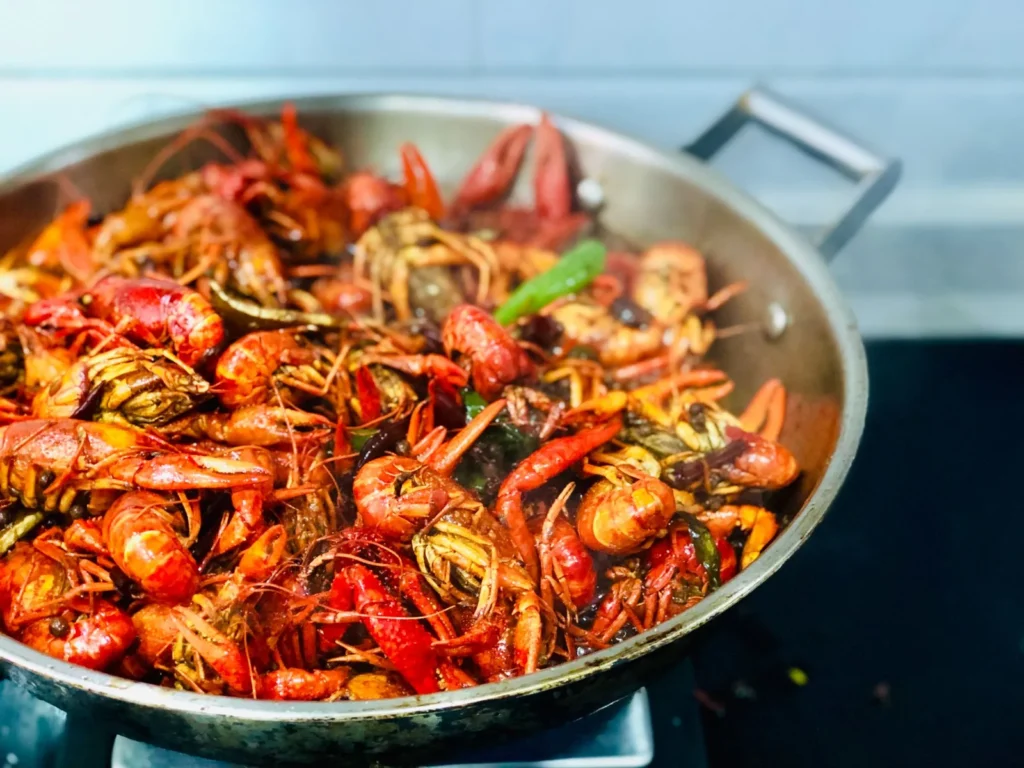
A good homemade cajun seasoning recipe gives you control over heat, salt, and smoke without the fillers found in store jars. You stir together dried herbs and ground peppers, and the blend stays fresh for months in a sealed container. This version leans on smoked paprika and cayenne for a warm, layered kick rather than a flat burn.
Making the mix yourself means you can dial back the salt or push the garlic note depending on what you cook that week. The texture stays fine and dry, which helps it coat chicken, shrimp, or roasted potatoes evenly. You also avoid anti-caking agents that leave a faint chalky film on food. If you enjoyed this, our privacy policy is worth trying next. Making this homemade cajun seasoning at home is surprisingly straightforward once you know the key steps.
Why You'll Love These Homemade Cajun Seasoning
- Costs a fraction of bottled blends when you buy spices in bulk
- Adjustable heat by changing only the cayenne amount
- No added sugar or MSG, just clean dried ingredients
- Keeps its aroma for up to 6 months in a dark jar
- Works on grilled meat, soups, and roasted vegetables
Ingredients You'll Need
- 3 tbsp smoked paprika — gives the base color and wood-smoke note
- 2 tbsp garlic powder — builds the savory backbone
- 1 tbsp onion powder — rounds out the sharp garlic
- 1 tbsp dried oregano — adds a slightly bitter, herbal edge
- 1 tbsp dried thyme — classic Cajun herb for earthiness
- 2 tsp cayenne pepper — main heat source, use less if sensitive
- 2 tsp black pepper, finely ground — adds mild bite
- 1 tbsp fine sea salt — controls overall seasoning level
- 1 tsp white pepper — lifts the blend with a sharp, clean heat
Ingredient Substitutions
Smoked paprika: Replace with an equal amount of sweet paprika plus 1/2 tsp liquid smoke powder if you want the color without smoke. Sweet paprika alone tastes flat and lacks the campfire depth that defines the blend. The swap keeps the red hue but lowers the smoky aroma, so add the powder sparingly to avoid bitterness. The homemade cajun seasoning works well for weeknight cooking when time is limited.
Cayenne pepper: Use 1 tbsp mild chili powder for a gentler heat that suits kids or sensitive palates. Chili powder includes cumin and oregano, so the mix turns slightly more earthy and less sharp. You will lose the clean sting of cayenne but gain a rounder, softer warmth. Storing leftover homemade cajun seasoning correctly keeps it tasting good for days.
White pepper: Swap with an extra 1 tsp black pepper if you don't keep white on hand. The blend gets a darker speckle and a more familiar pepper note, though it loses the bright top-end heat. This change barely affects cook behavior since both are dry ground spices. For the best results with this homemade cajun seasoning, read through all the steps before starting.
Dried oregano: Substitute 1 tbsp dried marjoram for a lighter, lemony herb tone. Marjoram is less bitter than oregano, so the seasoning reads softer on the palate. The swap works well on fish where heavy herbs can overwhelm.
Fine sea salt: Use 1 tbsp kosher salt ground in a mortar for a less dense salt hit. Kosher grains are larger, so grinding ensures even spread and prevents salty clumps. The flavor stays clean, but you may need to season food a touch more at the pan. For another easy option, check out our recipe keys.
Step-by-Step Instructions
- Measure all nine dry spices into a medium bowl, using a spoon to level each tablespoon for accuracy.
- Whisk the spices together on medium-low heat in a dry skillet for 2 minutes until the aroma rises, then cool.
- Transfer the cooled blend to a mortar and crush any small clumps with a pestle until the texture is uniform and fine.
- Pour the seasoning into a 250ml glass jar with a tight lid and label it with the date you made the batch.
- Store the jar in a dark cupboard and shake once before each use to redistribute the heavier paprika and salt.
Pro Tips
Toast the spices briefly in a dry pan as noted, since toasting spices wakes up the volatile oils for a stronger nose. Keep the heat at medium-low heat so the garlic powder doesn't scorch and turn acrid.
Use a digital scale for the smaller amounts like white pepper, because a rounded teaspoon can double the intended sharpness. Precision keeps every batch tasting the same across months.
Make a double batch and split it with a friend who cooks often, since the jar stays fresh longer than you might use it solo. Label both with the cayenne level so they know the heat.
Sift the blend through a fine mesh once if you see paprika threads, which helps it stick to wet chicken skin instead of falling off. A smooth mix adheres better during roasting.
Common Mistakes to Avoid
Adding salt-heavy bouillon powder by accident turns the blend into a soup base and overwhelms the herbs. Measure only pure fine sea salt from the list to keep the ratio right.
Skipping the cool-down step lets steam form in the jar and clump the mix into a brick. Always let the toasted spices reach room temperature before sealing.
Using stale paprika older than a year gives a dull, dusty red with no smoke, making the whole batch taste flat. Buy new smoked paprika if yours has faded to orange-brown. You might also like our elementor.
Serving Suggestions
Rub the blend on pork chops before searing to build a dark, spicy crust. A thin coat mixed with oil helps the surface brown instead of burn.
Stir a teaspoon into ground beef for dirty rice or stuffed peppers with authentic Louisiana tone. The herbs hold up under long simmering without turning bitter.
Sprinkle over roasted cauliflower or potatoes with olive oil for a weeknight side that pairs with plain yogurt dip. The heat cuts through the creaminess well.
Storage and Reheating
Keep the sealed jar in a cupboard away from the stove, where it stays potent for up to 6 months. Light and heat are the two things that kill dried herb aroma fastest.
The seasoning itself needs no reheating, but if you mix it into a sauce, warm the sauce to 165°F before serving for food safety. Don't leave a wet spiced dish out longer than 2 hours.
For long trips, pack a small foil pouch of the blend and mark the date, since humidity can reach glass lids in camp kitchens. A desiccant packet in the container helps in humid homes.
Recipe Variations
Low-Sodium Version
Drop the fine sea salt entirely and add 1 tsp extra dried thyme to keep body in the mix. You then salt your food at the pan, which suits people watching sodium intake. The blend stays aromatic and works the same on meats.
Extra Hot Version
Raise cayenne to 1 tbsp and add 1 tsp crushed red pepper flakes for a two-layer heat. The flakes give a pop of fire while cayenne builds steady warmth behind it. Use this on grilled shrimp where the char can tame some burn.
Herb-Heavy Version
Add 1 tbsp each of dried basil and parsley to push the green note forward for vegetable roasts. The mix turns lighter in color and pairs with salad dressing on grilled romaine. Expect a fresher, less smoky result than the base recipe.
Smoky BBQ Version
Mix in 1 tbsp brown sugar and 1 tsp ground cumin for a sweet-smoke tilt toward barbecue ribs. The sugar can burn on high heat, so use this version on low heat indirect grills. It bridges Cajun and Texas-style rubs without losing the paprika base.