Easy Scottish Potato Scone Recipe
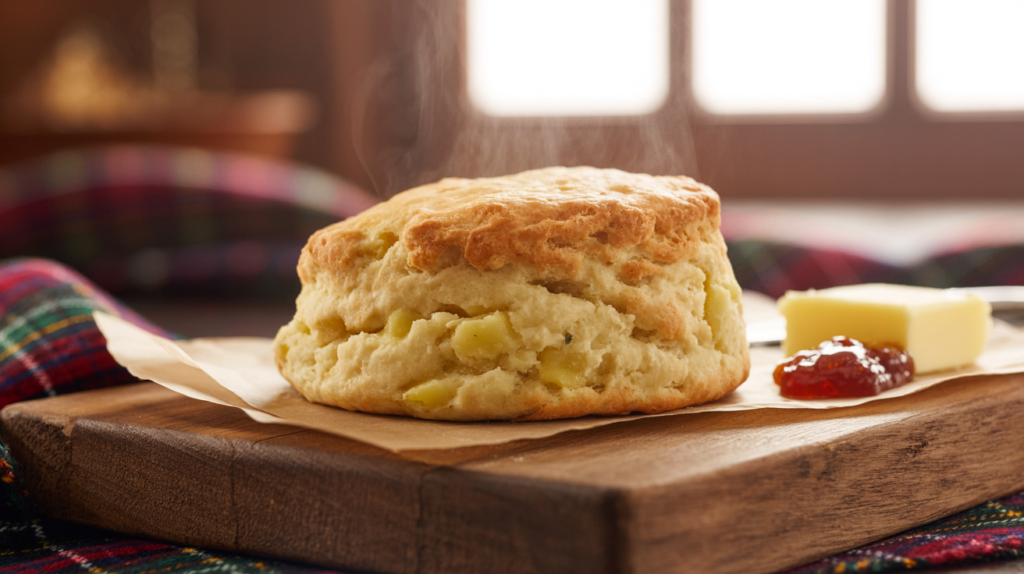
The Scottish Potato Scone—or Tattie Scone, as it’s affectionately known—is a truly iconic piece of Scottish cuisine. It’s not a sweet, crumbly baked good like its English counterpart, but a flat, savory delight traditionally served as an essential component of the Full Scottish Breakfast.
These simple, fluffy potato scones are a testament to resourcefulness, historically serving as a delicious way to use up leftover mashed potatoes. They transform humble ingredients into a satisfying, pan-fried treat.
Learning this easy Scottish Potato Scone Recipe is a direct link to tradition. They offer a wonderfully savory contrast to eggs, sausages, and bacon, making every bite of a hearty breakfast feel complete.



The beauty of the Tattie Scone lies in its delicate balance: it’s rich yet light, simple yet flavorful. Once you master the technique, you’ll find them quick and easy to whip up anytime a savory craving hits.
Best Ingredients for Scottish Potato Scone Recipe
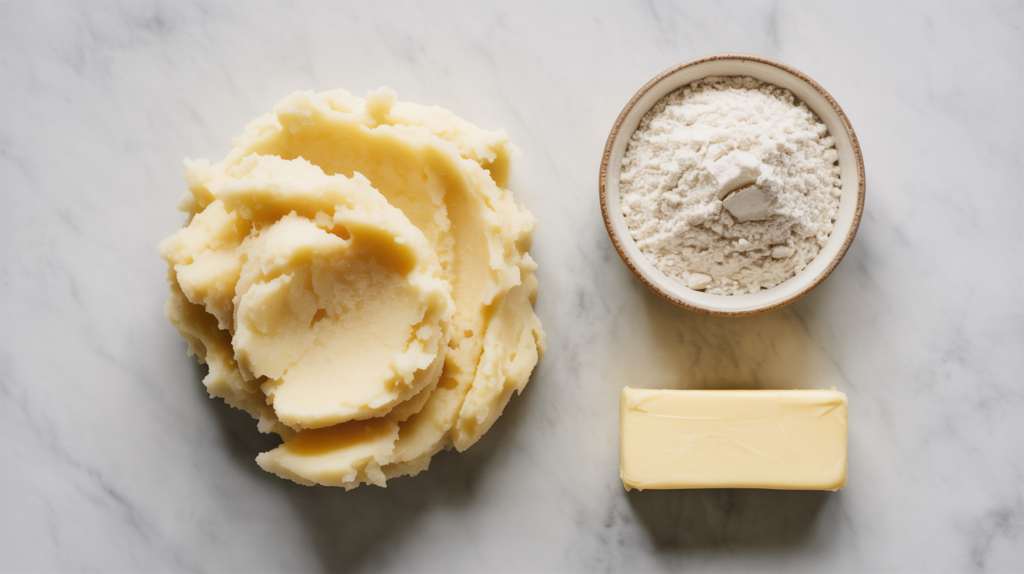
The success of a great Scottish Potato Scone Recipe hinges on selecting the correct type of potato. The goal is to achieve a fluffy interior and a smooth, pliable dough.
You must start with starchy, floury potatoes like Russets or Maris Pipers. Waxy varieties hold too much moisture and will result in a heavy, dense scone. The potatoes should be boiled and mashed until absolutely smooth, with no lumps remaining.
The secondary key ingredient is the fat. Traditional recipes call for butter, which provides that rich, comforting flavor and helps bind the mashed potato and flour.
For binding and structure, use a plain all-purpose flour. The flour should be added judiciously, only enough to make the potato dough manageable and non-sticky. Too much flour will result in a tough, dry scone.
Lastly, don’t forget the seasoning. Salt and white pepper are crucial for enhancing the natural, earthy flavor of the potato, making these homemade tattie scones perfectly savory.
Taste & Texture Highlights
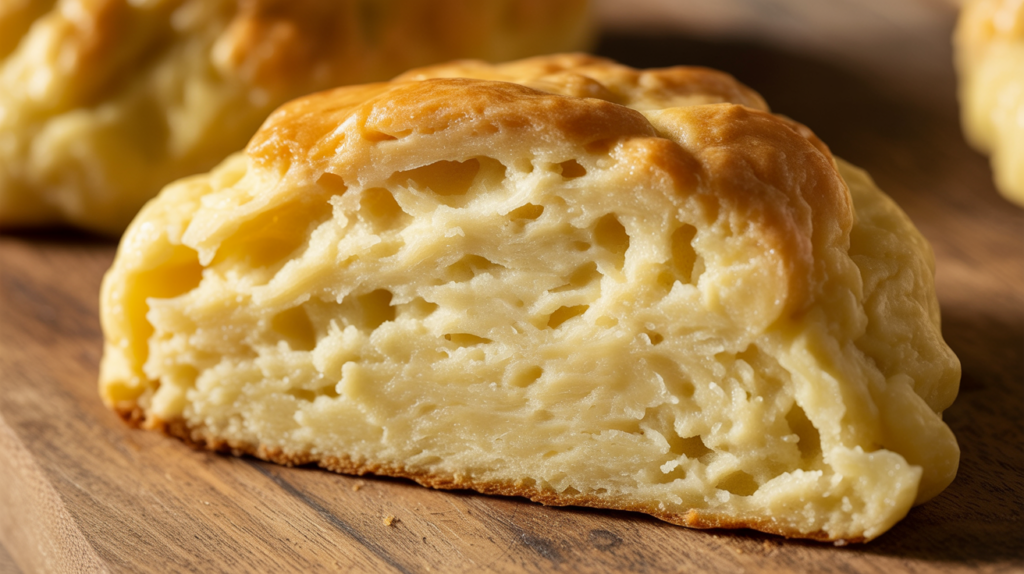
The experience of biting into a freshly made Scottish Potato Scone is one of comforting warmth and savory satisfaction. It’s a texture game changer for breakfast foods.
The texture is the defining feature. It should be soft and pillowy on the inside, with a dense yet light potato core.
Crucially, the exterior should be lightly crispy and golden-brown from being pan-fried. That delicate crust offers a beautiful counterpoint to the fluffy interior.
The flavor profile is inherently savory and earthy. The dominant taste is that of pure potato, enriched with the deep flavor of butter and salt.
They are simple, acting as a superb neutral base, much like toast or bread, but with a smoother, more comforting mouthfeel. This makes them the ideal accompaniment to robust breakfast ingredients.
Flavor Combinations That Work
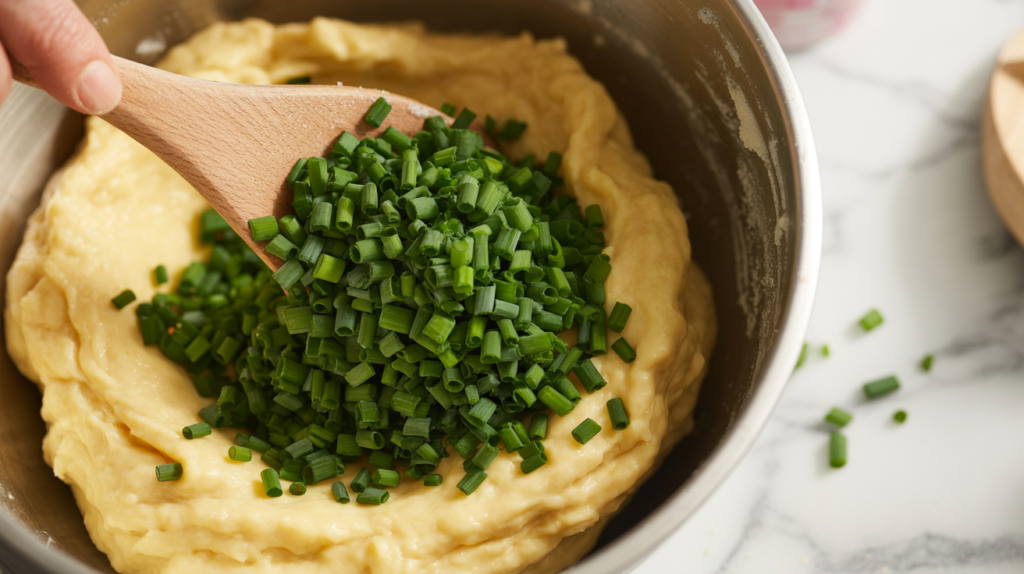
While the classic Scottish Potato Scone Recipe is fantastic on its own, its mild, savory flavor makes it a phenomenal base for incorporating subtle additions that deepen the taste.
For a richer, more complex scone, sautéing a small amount of finely chopped chives or spring onions and mixing them into the mashed potato dough before cooking is a fantastic idea.
A small addition of freshly grated hard cheddar cheese can introduce a sharp, salty depth that melts beautifully into the scone as it cooks on the griddle.
You can also boost the savory base by mixing in a pinch of finely chopped fresh parsley or thyme. These herbs complement the earthiness of the potato perfectly.
For a surprisingly delicious twist, whisk a tiny amount of smoked paprika into the flour. This adds a subtle, smoky hint that elevates the homemade tattie scones without being overwhelming.
If you’re interested in other unique ways to incorporate vegetables into baked goods, you might want to check out our Easy Cucumber Bread Recipe .
Health Benefits of Scottish Potato Scone Recipe
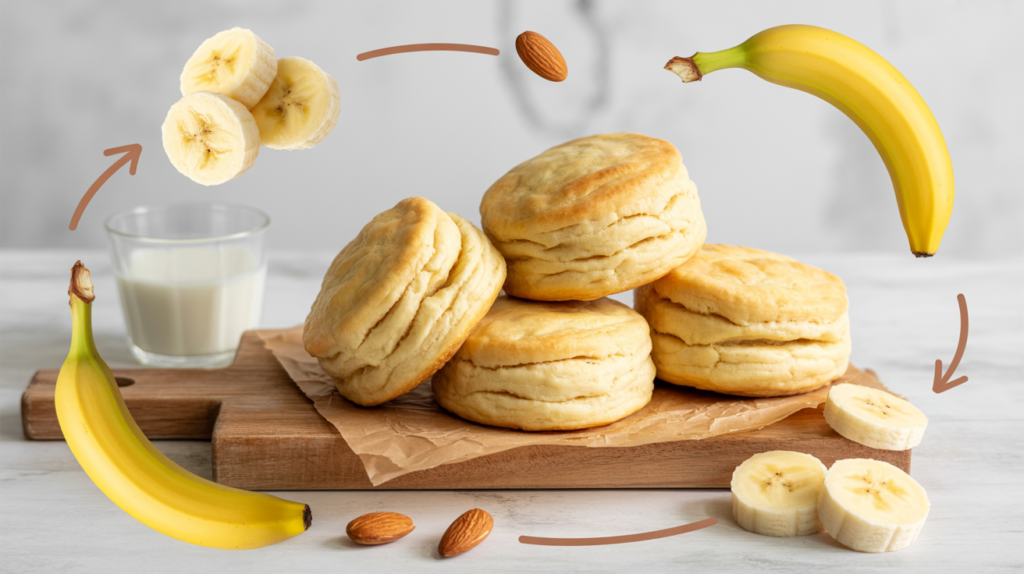
When viewed as a component of a balanced meal, the Scottish Potato Scone Recipe offers several genuine nutritional benefits, thanks primarily to the potato base.
Potatoes are an excellent source of complex carbohydrates, providing sustained energy to fuel a busy morning, making this an ideal comfort food breakfast.
They are naturally rich in potassium, an essential mineral that helps regulate blood pressure and supports muscle function.
Potatoes also provide a decent amount of Vitamin C (especially if consumed soon after cooking) and several B vitamins, including niacin and folate.
While they contain starch, when consumed alongside protein and fiber from other breakfast items, these fluffy potato scones contribute to a filling and nourishing start to the day.
Nutrition Facts & Calories
The nutritional profile of the Scottish Potato Scone Recipe is dominated by the starch and the fat used in the recipe and the pan-frying process.
The majority of the calories come from the potatoes (carbohydrates) and the added butter and frying oil. Controlling the amount of fat used during the cooking process is key to managing the overall caloric density.
A standard Tattie Scone is a great source of potassium and carbohydrates. It provides a solid energy boost without being excessively high in protein or sugar.
Since the dough uses little to no raising agent, it tends to be a dense, satiating food. Specific, detailed nutritional information with exact vitamin and mineral numbers is provided in the recipe card.
To keep the overall meal balanced, serve these savory potato scones alongside lean protein like eggs or grilled tomatoes.
Quick Tips for Making Scottish Potato Scone
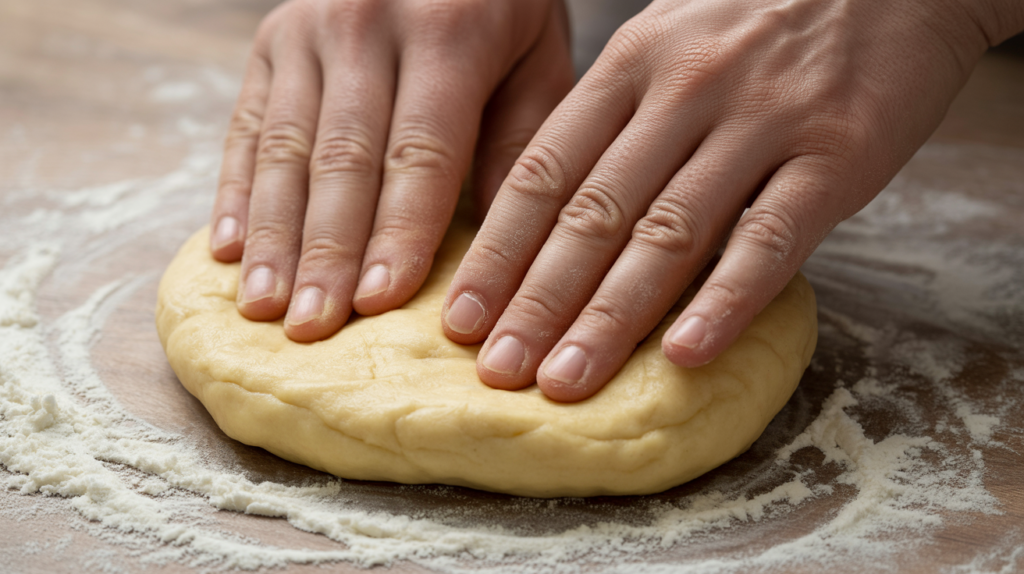
Achieving the authentic fluffy and light texture of a Tattie Scone is dependent on mastering a few crucial, simple techniques.
The number one rule is that the mashed potatoes must be cold before mixing. Using cold potatoes prevents the dough from becoming overly sticky and ensures you add the minimum amount of flour.
Do not overwork the dough! Handle it gently and briefly. Over-kneading the potato and flour mixture will develop the gluten in the flour, resulting in a tough, rubbery scone instead of a light one.
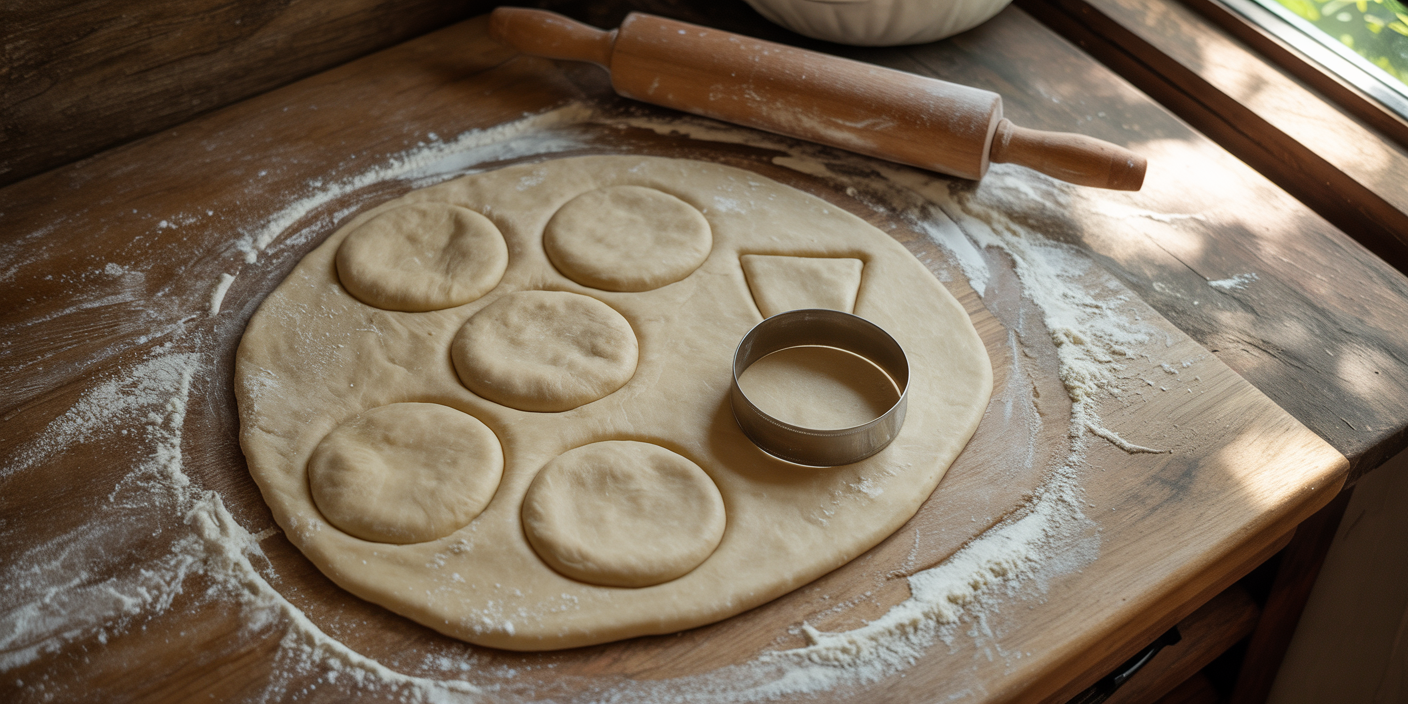
Use a floured surface to roll out the dough, but keep the thickness consistent. Aim for about 1/4 inch (6 mm); this allows them to cook quickly and achieve the proper internal density.
Finally, cook the scones on a medium-hot griddle or skillet. If the heat is too low, they will absorb too much fat and become greasy; if too high, they will burn before cooking through.
Serving Suggestions
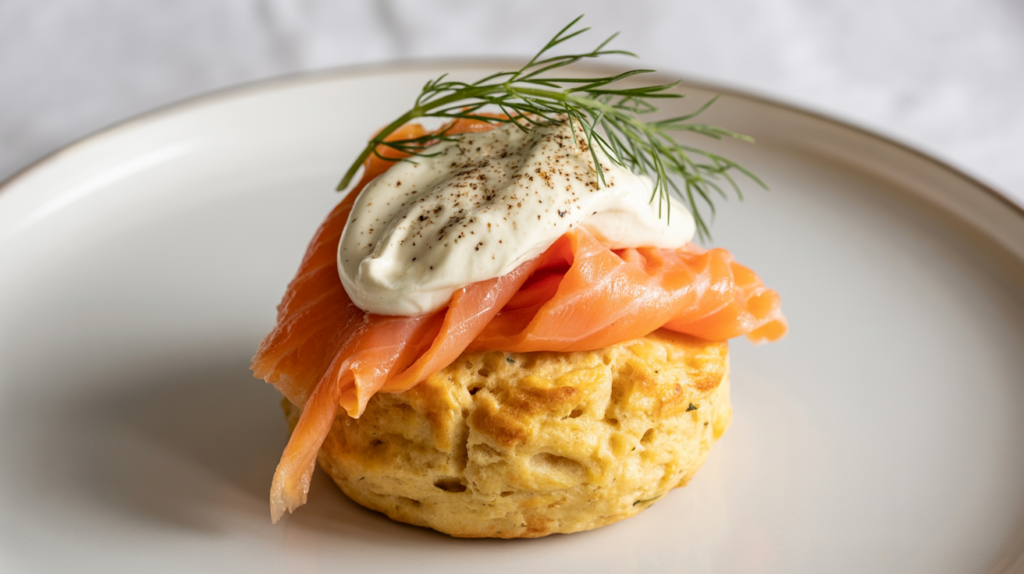
The Scottish Potato Scone is a classic component of one specific meal, but its versatility extends far beyond that famous plate.
The most traditional presentation is as part of the Full Scottish Breakfast, sharing the plate with bacon, fried eggs, black pudding, and baked beans.
They make an excellent base for a savory spread. Serve them hot, topped with smoked salmon and a dollop of crème fraîche for a gourmet appetizer.
For a simpler snack, serve them lightly buttered alongside a bowl of hearty soup, using them for dipping and soaking up the savory liquid.
They can also be used as an unconventional base for Eggs Benedict, substituting the English muffin for a slice of warm, buttery potato scone.
Perfect Pairings / Meal Ideas
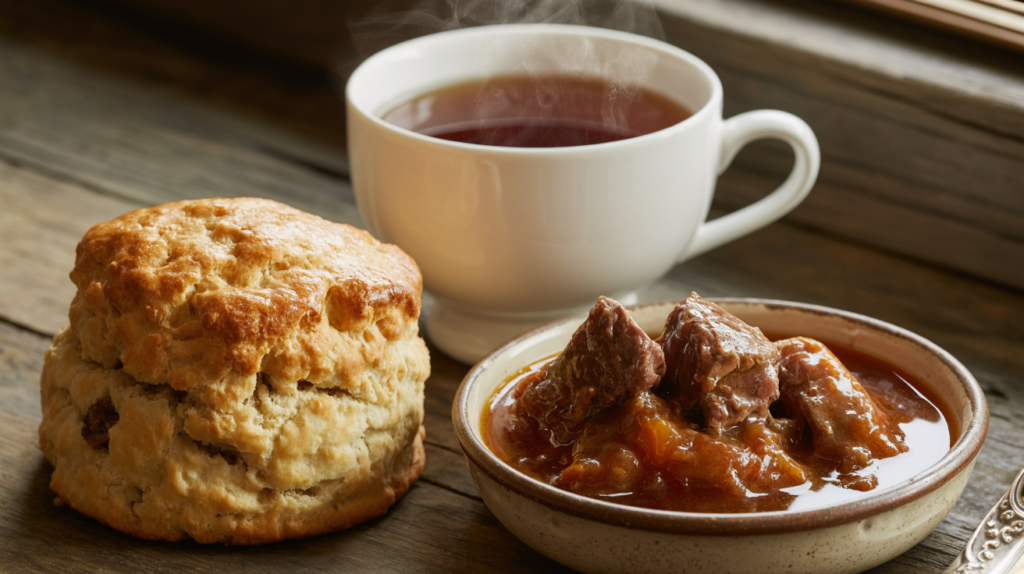
The savory nature and subtle flavor of the Scottish Potato Scone Recipe require pairings that are equally robust and comforting.
For beverages, the best pairing is a strong, traditional black tea like an English Breakfast or an Earl Grey. The robustness of the tea cuts through the richness of the fried breakfast components.
If you prefer coffee, a dark roast or an Americano works well, providing a bold flavor that complements the earthiness of the potato.
As a meal, these homemade tattie scones are not typically served with a dinner. However, they pair wonderfully with braised meats like slow-cooked beef stew or lamb shanks, acting as the perfect sponge for rich gravy.
They can also be served as a side dish with sausage and onion gravy for a cozy, comforting weeknight dinner, highlighting their comfort food status.
Presentation Tips
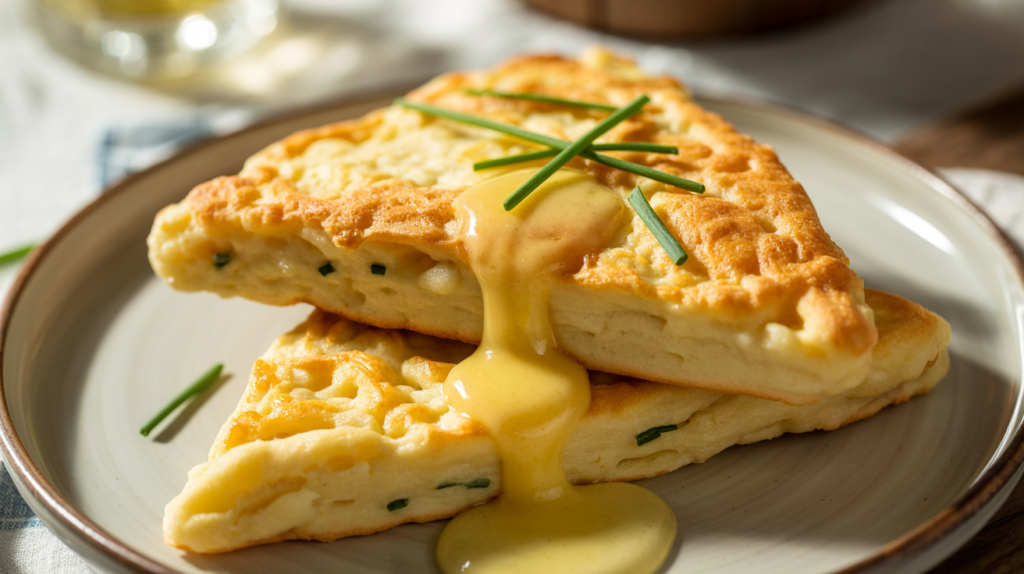
While inherently rustic, the Scottish Potato Scone can be presented beautifully to highlight its traditional charm and appetizing golden finish.
Always cut the dough into the traditional triangular quarters (or farls) before cooking. This iconic shape signals authenticity and tradition.
Serve the scones piping hot, directly off the griddle. The steaming warmth and the crisp exterior are part of the delight.
Place them neatly stacked on the plate, ensuring the golden-brown color from the frying is prominently displayed.
Garnish the plate with a sprinkle of freshly chopped chives or a tiny amount of melted butter drizzled over the top to enhance the savory aroma and visual appeal.
Pro Tips & Fun Facts
A fun fact about the Tattie Scone is that it has a low carbon footprint, being a classic example of zero-waste cooking by repurposing leftover ingredients.
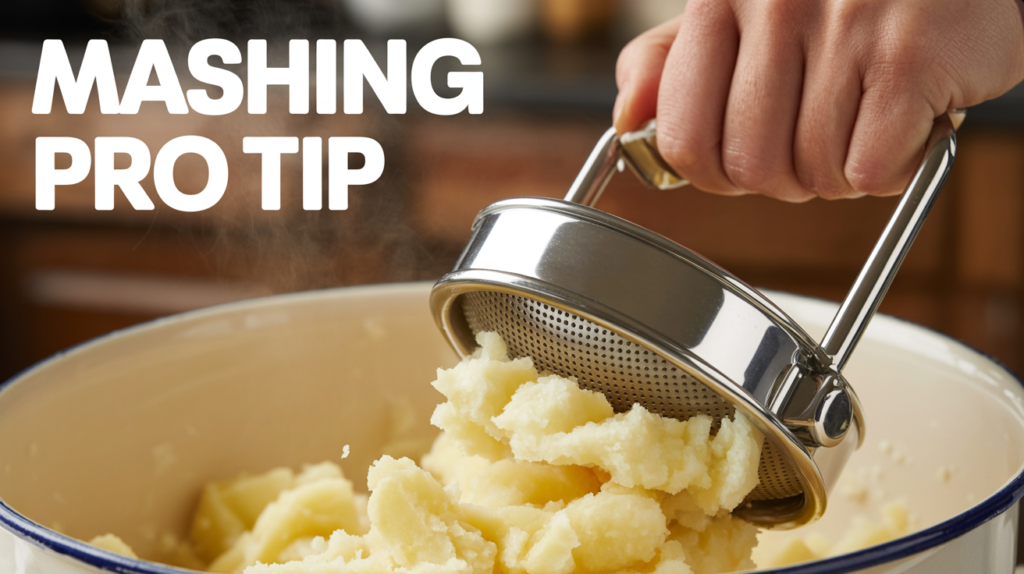
A master baker’s tip for perfect texture is to rice or push the boiled potatoes through a food mill before mashing. This ensures there are absolutely no lumps and the mash is incredibly airy.
If you don’t have a traditional griddle, you can use a heavy-bottomed cast iron skillet. Do not use butter to fry; use a high-heat oil like vegetable or canola oil, and add a knob of butter only towards the end for flavor.
The Scottish Potato Scone is related to other Celtic potato bread dishes, such as the Irish fadge or the Welsh bara brith, all demonstrating the regional love for potato staples.
Why You Should Try Scottish Potato Scone
This Scottish Potato Scone Recipe is a culinary must-try. It is simple, affordable, and delivers an unforgettable comfort food experience that is hard to match.
It offers a wonderful change of pace from typical breads or toast, providing a tender, savory canvas that complements both sweet and savory toppings equally well.
The process of making homemade tattie scones is quick and deeply satisfying, allowing you to bring a piece of authentic Scottish tradition right into your own kitchen.
Don’t settle for a plain breakfast. Elevate your plate with these fluffy potato scones.

Best Scottish Potato Scone Recipe | Easy & Fluffy Homemade Tattie Scones
Description
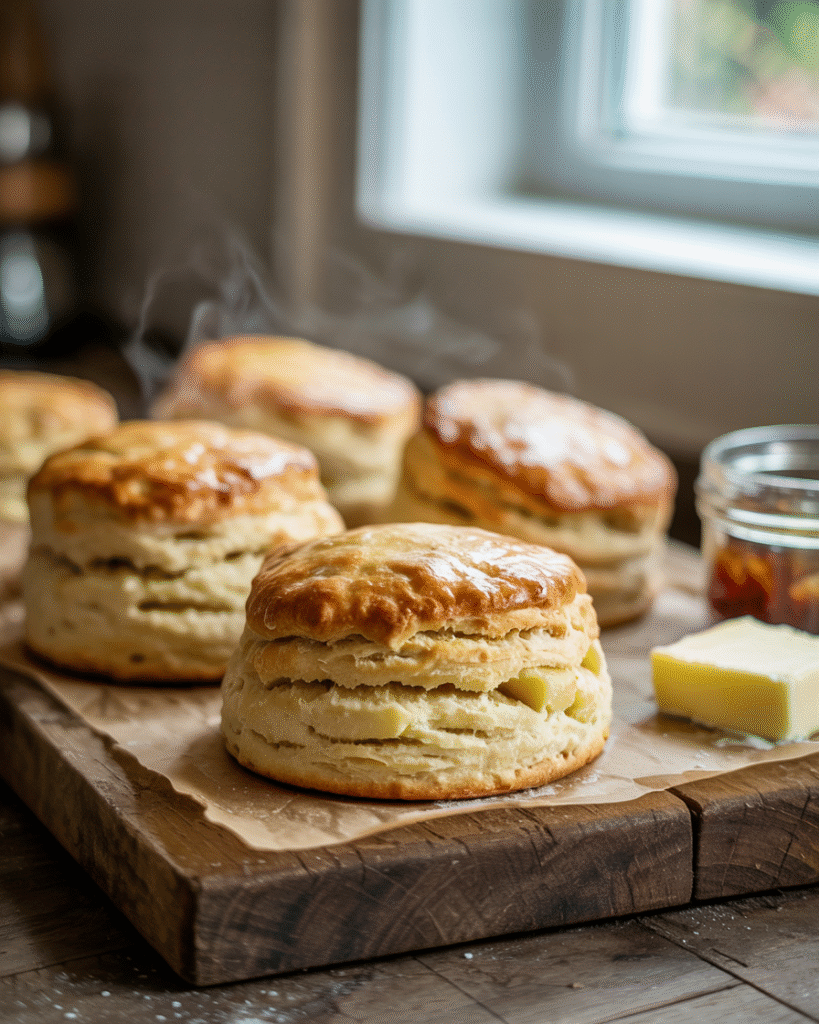
This Potato Scone Recipe delivers classic Scottish tattie scones — tender, golden, and griddled to perfection. Made with simple pantry staples, they’re comforting, budget-friendly, and deliciously versatile.
Ingredients
Optional Add-Ins:
Instructions (Step-by-Step)
-
1. Prepare the Potatoes
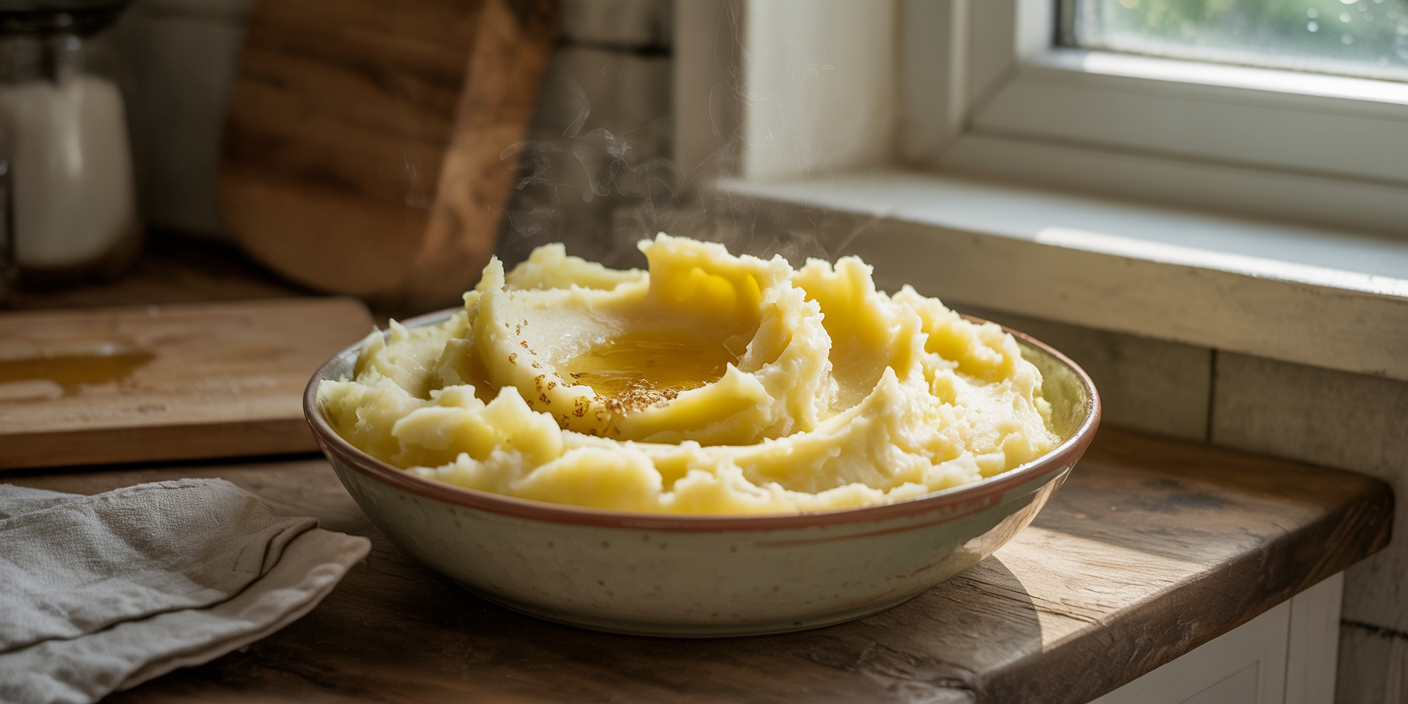
Mash freshly boiled potatoes with butter and salt until smooth. Let cool slightly.

-
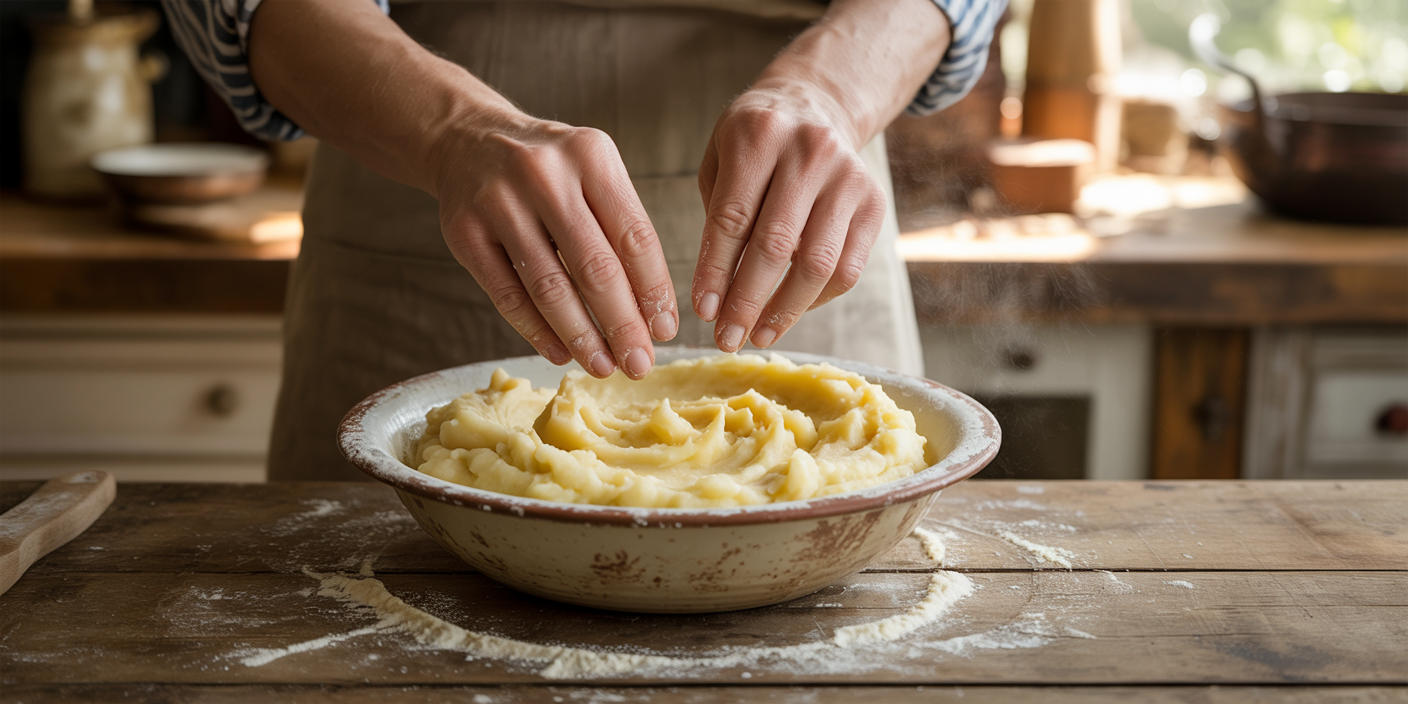
2. Form the Dough
Add flour (and baking powder, if using) to the mash. Mix gently until a soft dough forms.
-
3. Roll and Cut
On a floured surface, roll dough ¼ inch thick. Cut into circles or triangles.
-
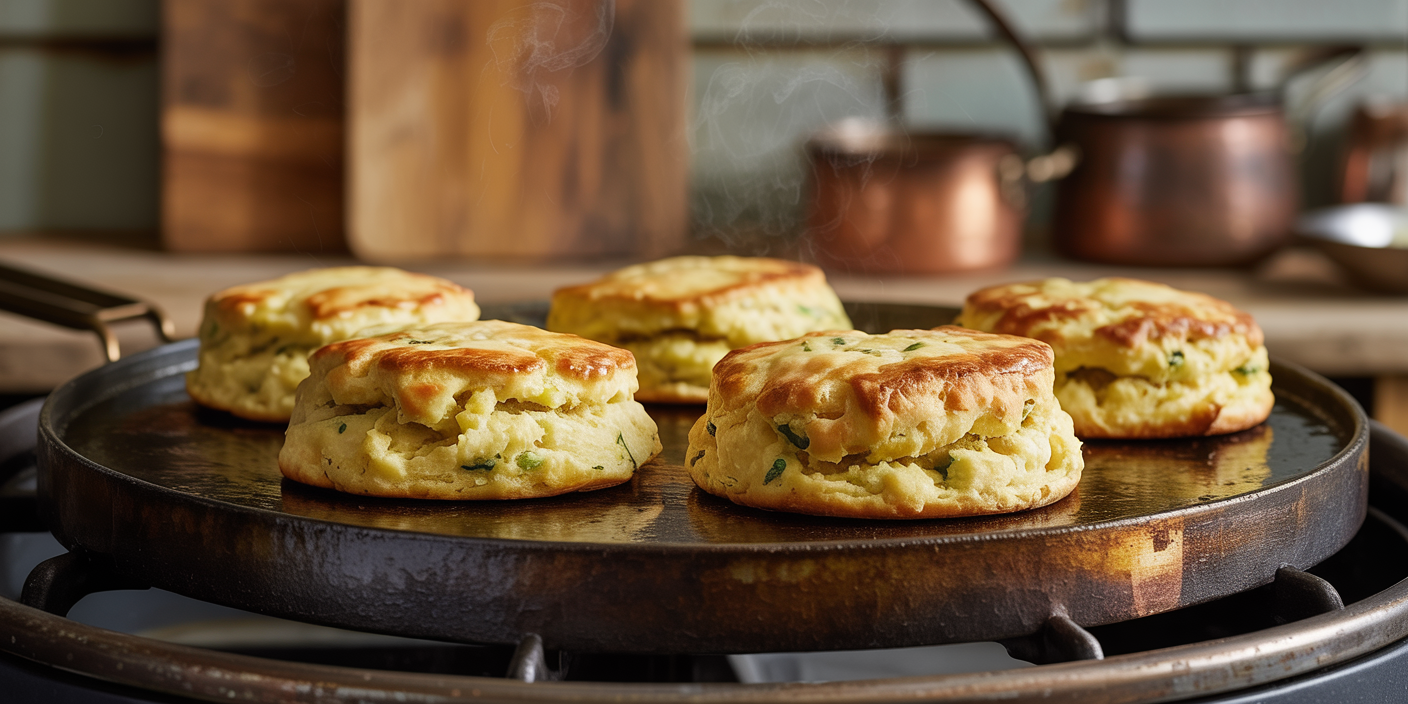
4. Cook on the Griddle
Heat a dry skillet or griddle over medium heat. Cook each scone 2–3 minutes per side until golden brown.
-
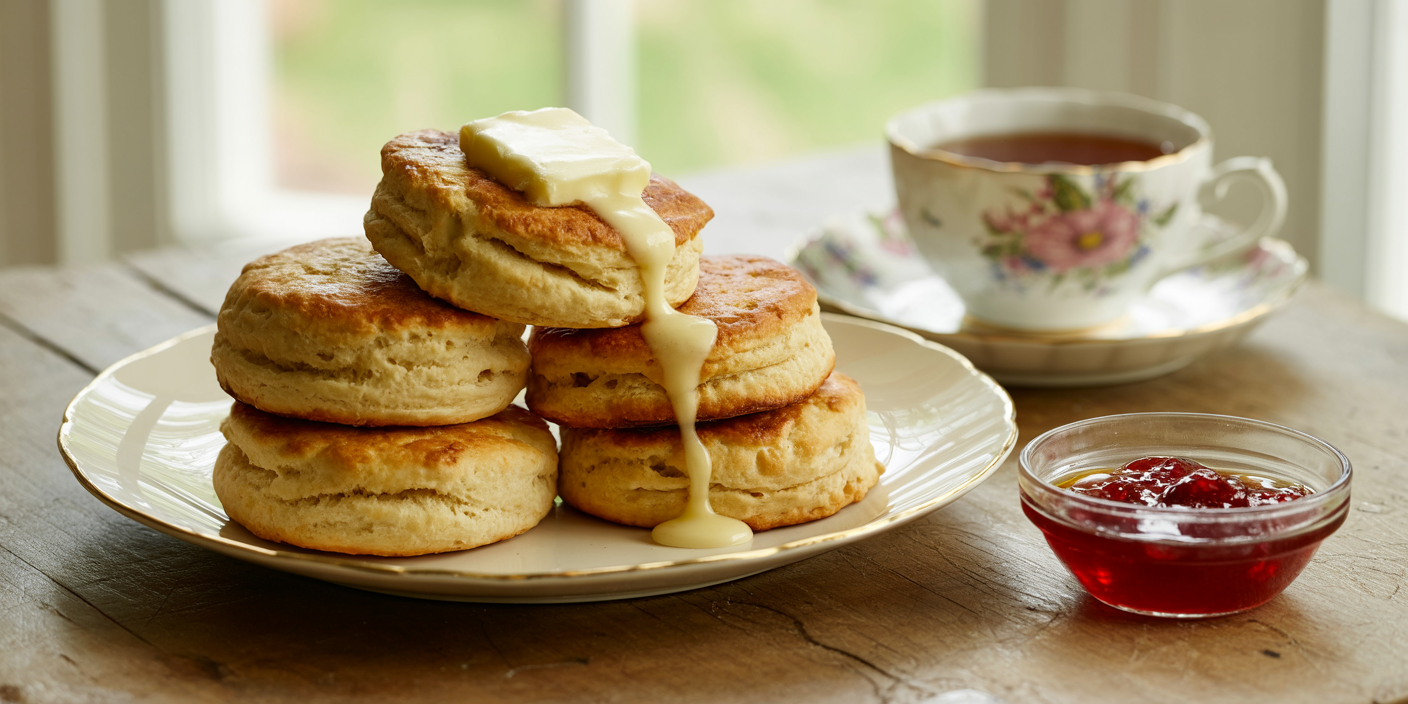
5. Serve Warm
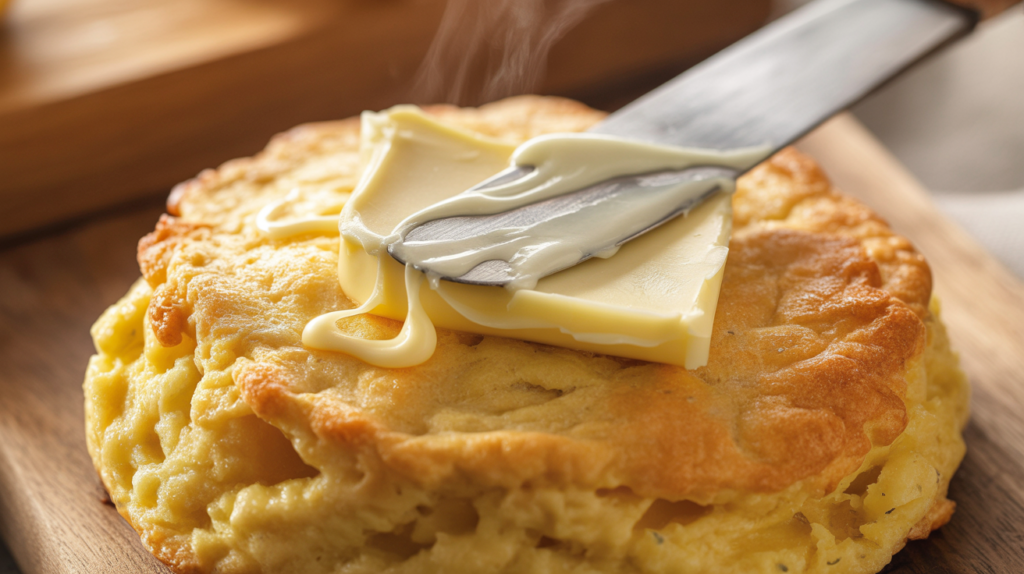
Serve immediately with butter, jam, or alongside a full breakfast plate.
Nutrition Facts
Servings 8
- Amount Per Serving
- Calories 180kcal
- % Daily Value *
- Total Fat 6g10%
- Saturated Fat 3g15%
- Sodium 170mg8%
- Total Carbohydrate 25g9%
- Dietary Fiber 2g8%
- Sugars 1g
- Protein 3g6%
* Percent Daily Values are based on a 2,000 calorie diet. Your daily value may be higher or lower depending on your calorie needs.
Note
For extra softness, use warm mashed potatoes.
Don’t add milk or too much butter to the mash — keep it firm.
Freeze cooked scones and reheat for quick breakfasts.
Try sprinkling a little cheese on top for a savory twist.