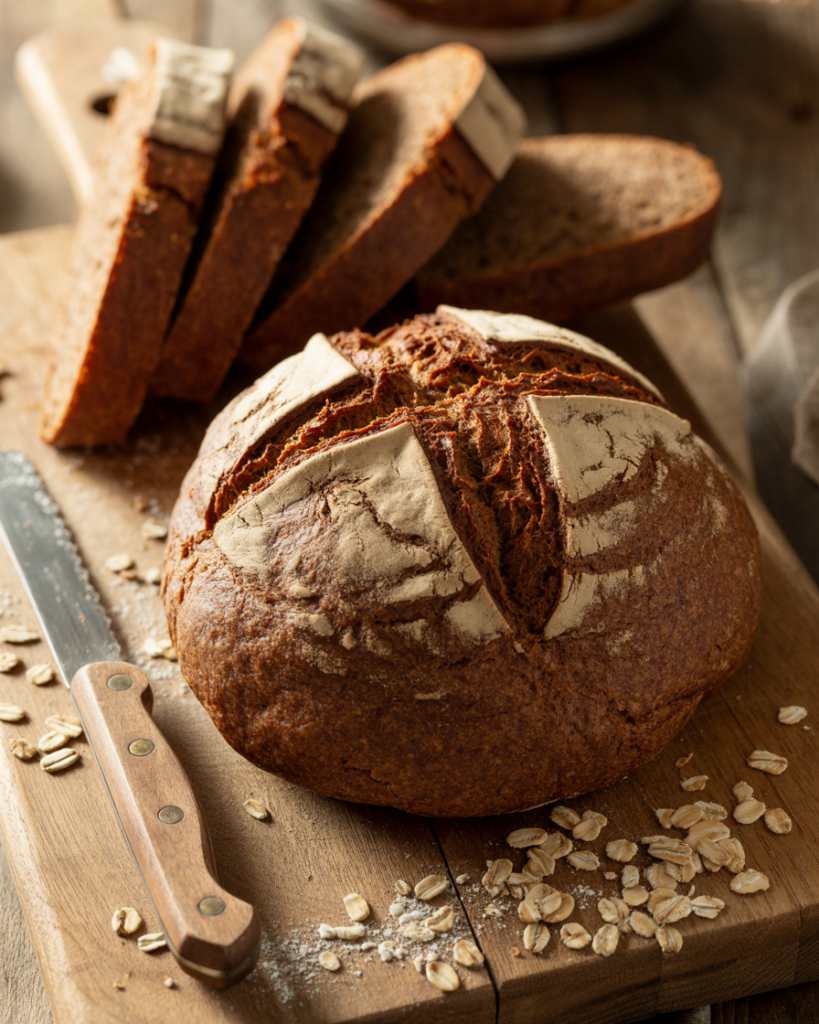
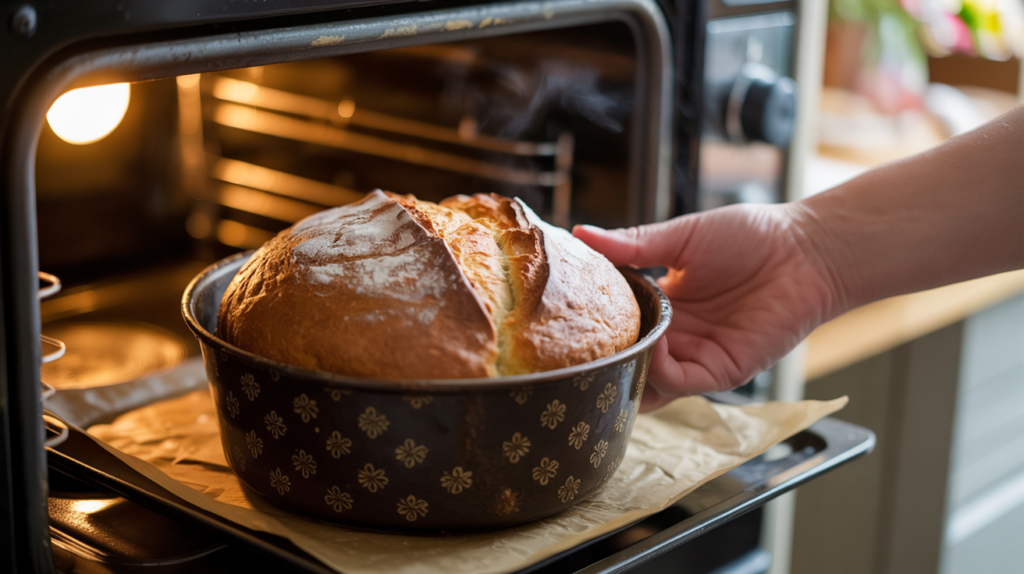
Easy Irish Brown Bread Recipe
Irish brown bread is much more than just a staple; it’s the
heart of the Irish kitchen. This
rustic, deeply flavored loaf holds a special place in the culinary world, beloved for its simplicity and its
incredibly satisfying texture.
It’s the kind of bread that instantly makes any meal feel more
authentic and comforting. You might be surprised at just how
easy it is to bake a
perfect loaf right in your own home.
Forget the fussy yeasted breads you’re used to. This
soda bread tradition is all about quick preparation and a
guaranteed delicious result. We’re diving into what makes this bread so
unique and universally loved.
Best Ingredients for Irish Brown Bread
The secret to a truly
memorable Irish brown bread lies in the quality and type of the ingredients used. You don’t need a pantry full of
exotic spices or
hard-to-find flours.
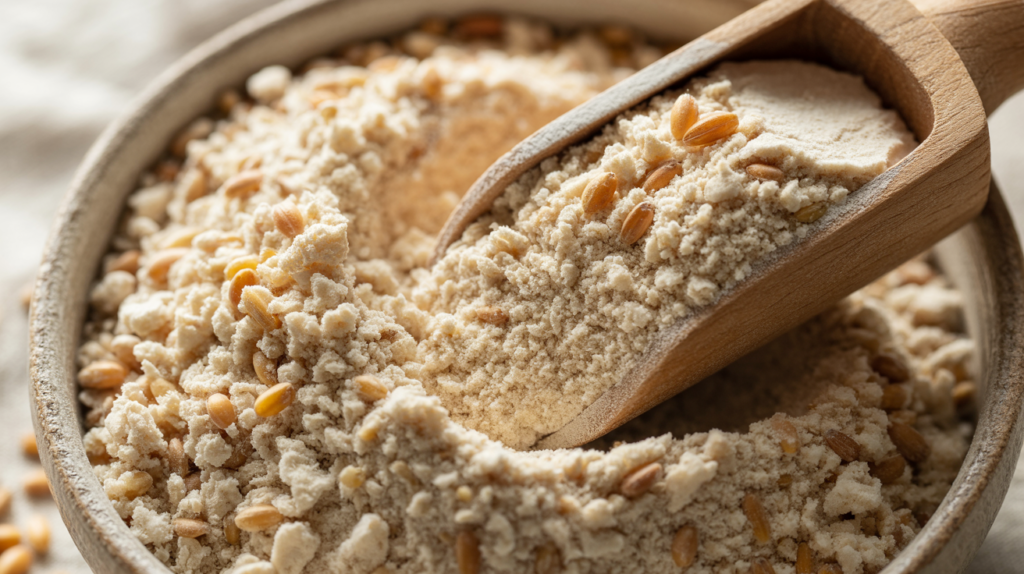
The foundation is typically
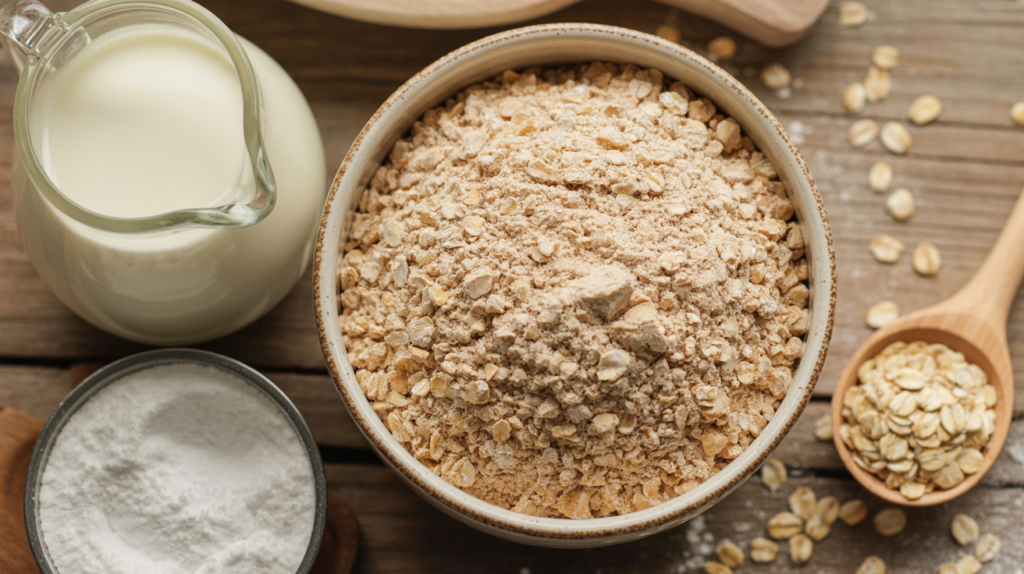
coarse wholemeal wheat flour. This is key for achieving that
characteristic nutty flavor and
dense, substantial crumb. Don’t swap it out for standard whole wheat flour; the
texture won’t be the same.
Another crucial element is
buttermilk. Its natural acidity reacts with the baking soda (or
bread soda, as it’s often called) to create the necessary lift. The buttermilk also imparts a subtle,
pleasing tang that balances the
richness of the wholemeal.
A good pinch of
salt is vital for enhancing all the other flavors. Some traditional recipes also call for a touch of
oats or a bit of
treacle to deepen the color and sweetness, giving the bread a
lovely, dark hue.
Taste & Texture Highlights
The flavor profile of
authentic Irish brown bread is truly distinct. It’s a marvelous combination of
earthy, nutty notes from the wholemeal flour and a gentle,
creamy tang from the buttermilk.
It has a complex,
wholesome flavor that tastes utterly different from a light, airy white loaf. There’s a
delightful minerality that makes it the
perfect accompaniment to so many Irish dishes.
When it comes to texture, this bread offers a superb contrast. The
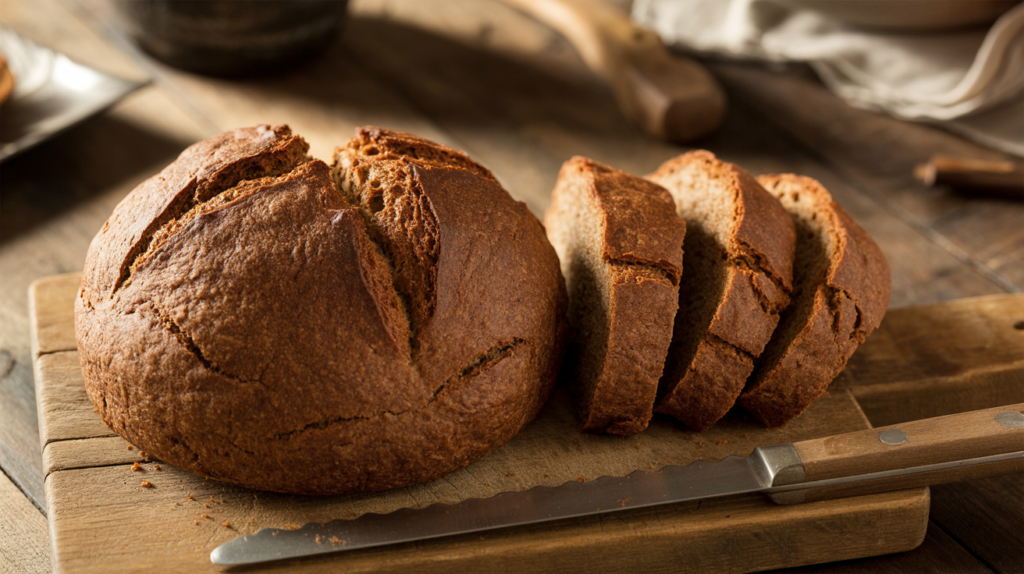
crust is robust and slightly rugged, providing a
satisfying crunch when you slice into it.
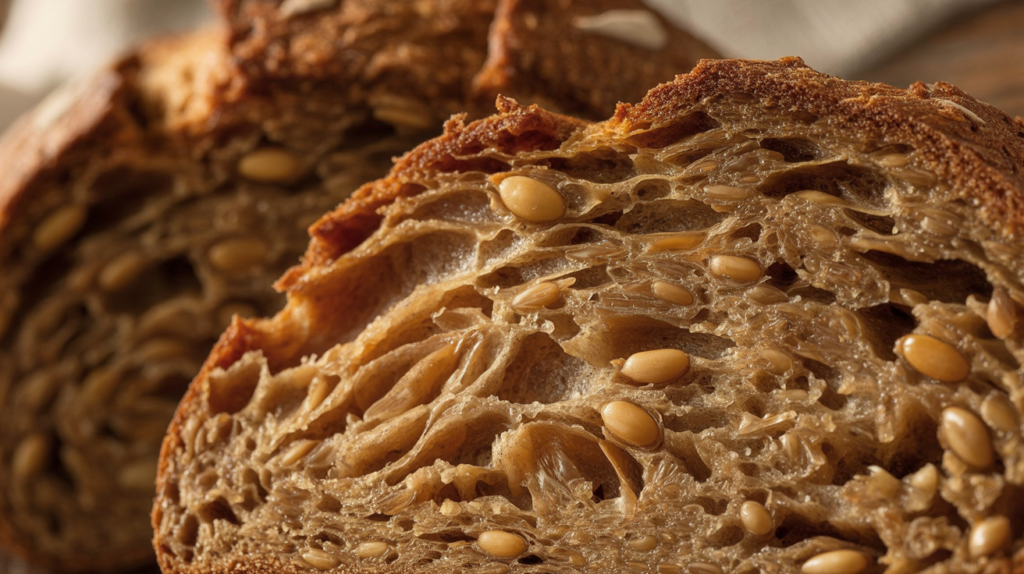
The interior, or crumb, is wonderfully
dense, moist, and close-textured. It’s not fluffy; it’s
substantial, meaning one slice will feel truly
filling and nourishing. It’s the kind of bread that
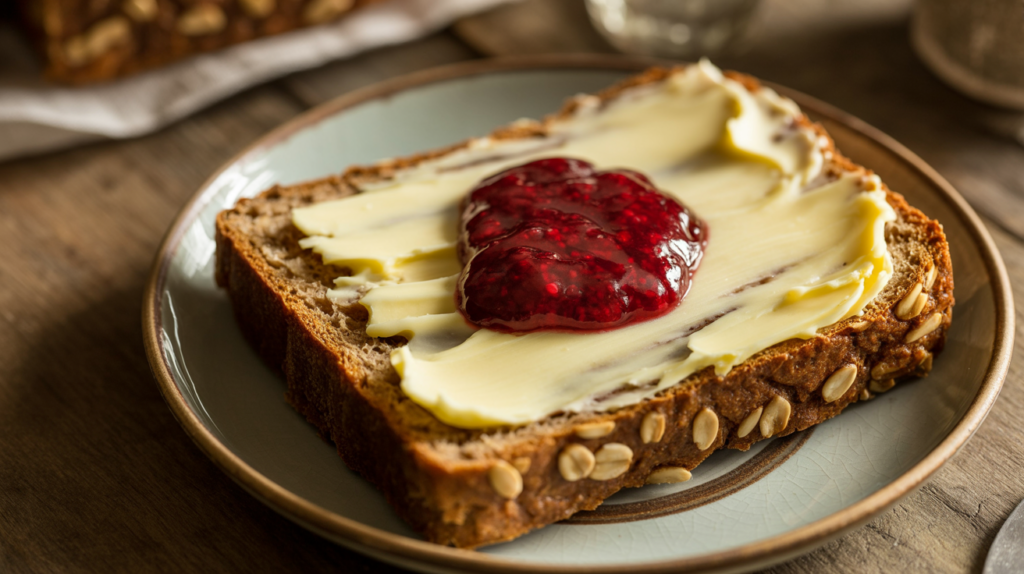
holds up beautifully to butter and preserves.
For the
full breakdown on how to mix these simple ingredients and bake this
fantastic loaf, just click the link below for the
complete, easy-to-follow instructions.
We have integrated the full,
foolproof recipe alongside a delightful
Irish Jambon Recipe—a savory, perfect pairing you won’t want to miss.
Flavor Combinations That Work
The inherent
savory and nutty profile of
Irish brown bread makes it incredibly versatile in the kitchen. It acts as the
perfect neutral canvas for both sweet and savory toppings.
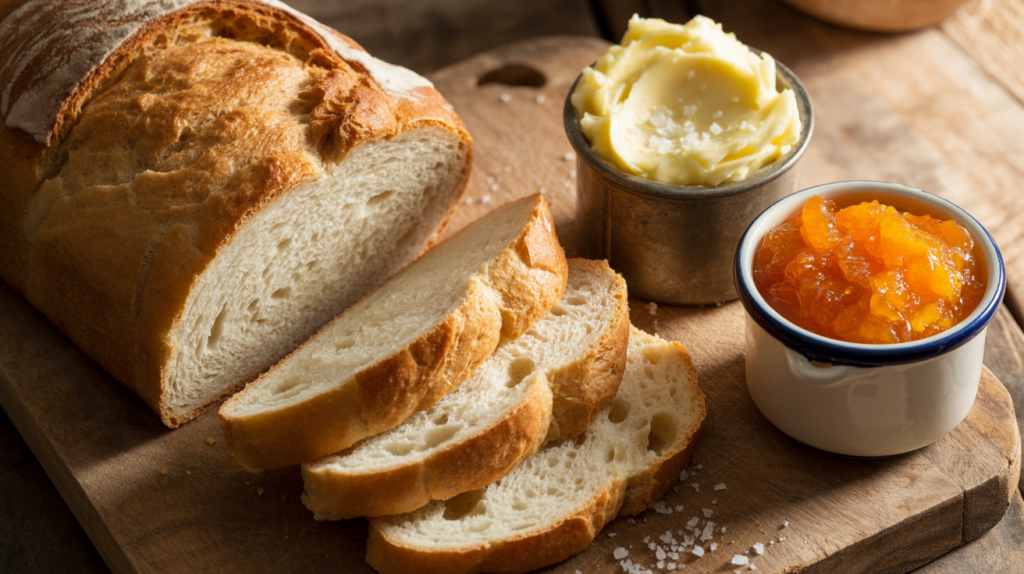
One of the most classic pairings is simply spreading it with a generous layer of
real Irish butter and a drizzle of
local honey or
tarty jam. The sweet and salty combination is
pure perfection.
For savory enjoyment, try it with a slice of
strong cheddar cheese and a dab of
relish. It’s also the
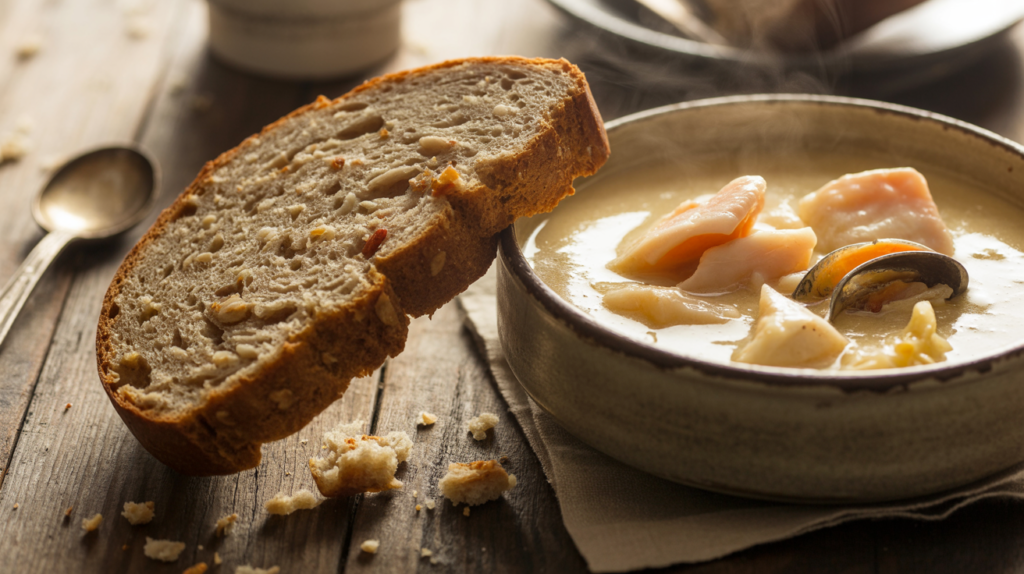
ultimate accompaniment to a steaming bowl of
hearty soup or a rich,
slow-cooked stew.
The bread’s
robust structure is ideal for dipping into broth. It soaks up all those
flavorful juices without dissolving, making every spoonful—or bite—
exceptionally satisfying.
Health Benefits of Irish Brown Bread
Opting for
traditional Irish brown bread provides several
nutritional advantages over many commercially available white loaves. Its
dense, wholemeal foundation is where much of the benefit lies.
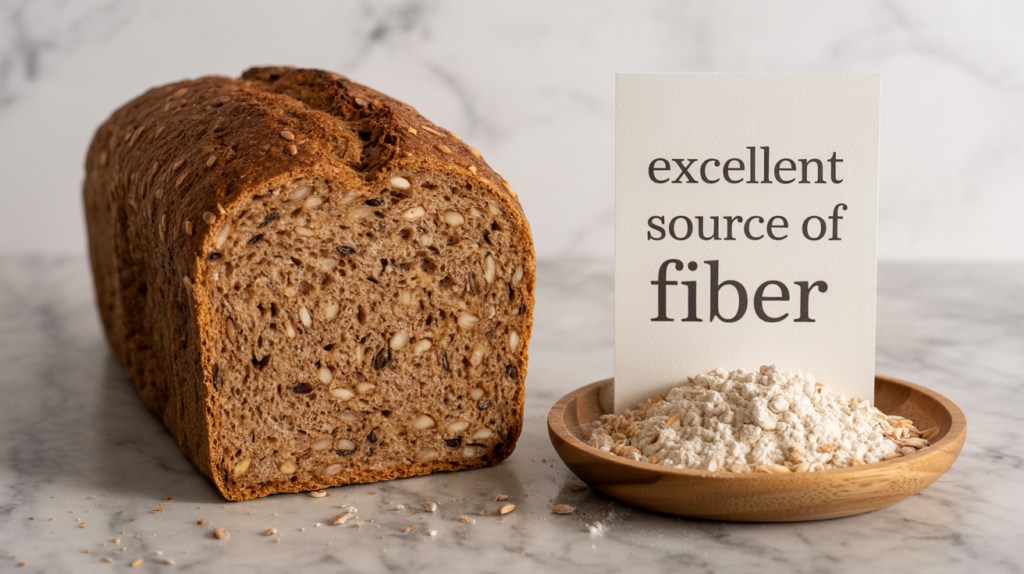
It is an
excellent source of dietary fiber, which is vital for digestive health and helps promote a feeling of
fullness and satiety. This makes it a great choice for a
sustained energy release.
The
wholemeal flour retains the wheat grain’s
bran and germ, which are packed with important
vitamins and minerals.
Nutrition Facts & Calories
While specific values will vary slightly based on the exact recipe,
Irish brown bread is generally considered a
nutritious, fiber-rich bread.
A typical medium slice (around 70 grams) can contain approximately
180–220 calories, making it a
substantial snack or meal component.
In terms of macronutrients, it provides a good balance:
protein (around 5–7 g),
fiber (around 4–6 g), and mostly complex
carbohydrates (35–45 g).
Micronutrients are where this bread shines. The wholemeal is rich in
B vitamins, including
niacin (B3) and folate, which are important for
energy metabolism.
It also supplies essential minerals such as
iron (key for blood health),
magnesium (important for muscle and nerve function), and
zinc (supports the immune system). The fiber content contributes to a
lower glycemic index compared to white bread.
Quick Tips for Making Irish Brown Bread
Although the recipe is
simple and straightforward, a few key tips can ensure your
Irish brown bread turns out perfectly every time.
First,
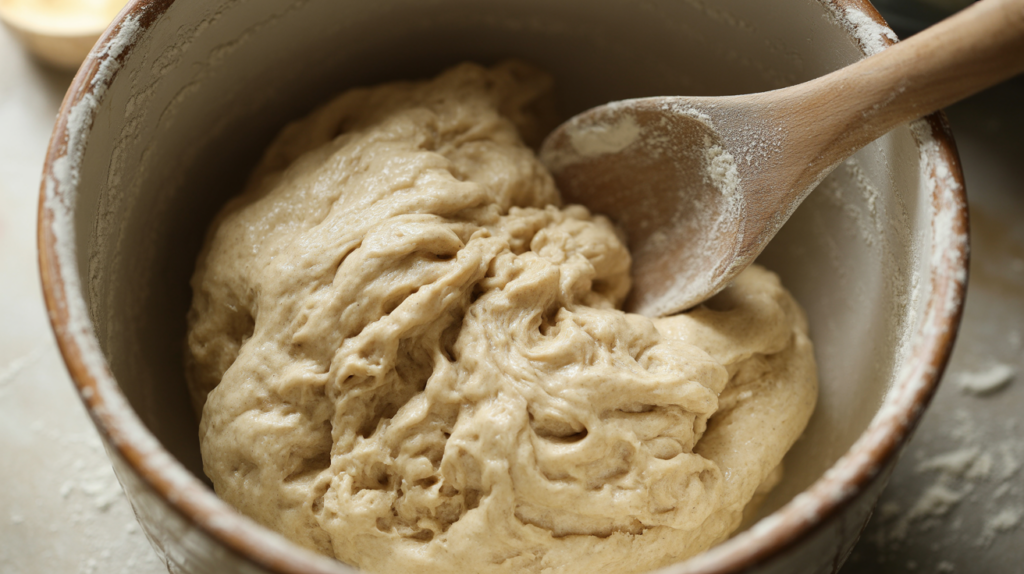
do not over-mix the dough. Once the wet ingredients hit the dry, mix only until they are just combined. Over-mixing develops the gluten and will result in a
tough, heavy loaf instead of that desired
moist, dense crumb.
Use a preheated oven and ensure your
baking soda is fresh. The reaction between the soda and the buttermilk is the only leavening agent; if the soda is old, your bread won’t rise well.
Many recipes call for the dough to be baked in a
loaf tin, but for a more
traditional, rustic look, consider a
round loaf baked on a baking sheet. Don’t forget to
score the top before baking!
Serving Suggestions
Irish brown bread is highly versatile and fits seamlessly into almost any meal of the day.
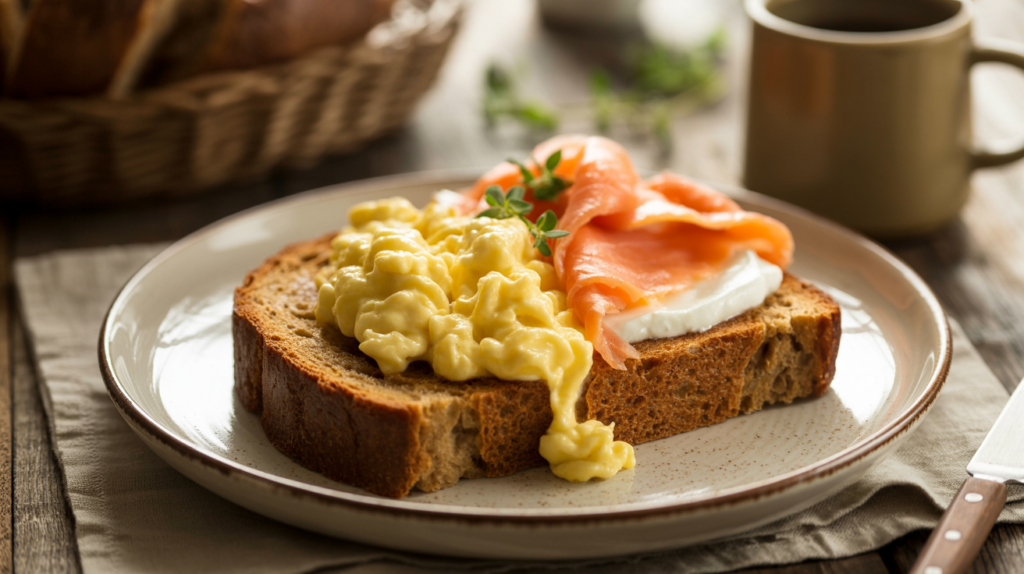
For
breakfast or brunch, serve it toasted alongside
scrambled eggs or a plate of
smoked salmon and cream cheese. The
nutty flavor complements the fish beautifully.
As a
lunch staple, slice it thinly for hearty sandwiches filled with
roast beef, watercress, and mustard. It’s strong enough to hold up to
generous fillings.
At
dinner, it is, of course, the
classic partner for any
traditional Irish stew, chowder, or colcannon. Its ability to
sop up sauce is unparalleled.
Don’t forget the
afternoon tea ritual. A slice of this bread, thinly spread with
butter and marmalade, is an
absolute treat with a strong cup of black tea.
Perfect Pairings / Meal Ideas
Thinking beyond the butter and jam,
Irish brown bread is the ideal accompaniment to several traditional and modern dishes.
- Hearty Seafood Chowder: The robustness of the bread cuts through the creaminess of the chowder, providing textural contrast.
- Traditional Irish Stew: Use thick slices to scoop up the rich, beefy gravy and vegetables.
- Strong, Aged Cheese: Pair it with a sharp cheddar or a nutty Gruyère for a sophisticated cheese board.
- Whiskey Marmalade: The subtle bitterness of the marmalade is a fantastic foil for the bread’s sweetness.
This bread also makes a stunning base for a
modern avocado toast, offering a
complex flavor dimension that standard white bread cannot match.
Presentation Tips
While it’s a
rustic bread, a few simple presentation touches can elevate your
homemade Irish brown bread.
Serve the loaf
freshly sliced on a
wooden cutting board with a
sharp knife ready. This highlights its
beautifully textured crust and the
rich color of the crumb.
If baking a traditional
round loaf, the deep cross etched into the top adds a
dramatic, authentic visual appeal. Always dust the surface with a little extra
wholemeal flour before baking for a
lovely, rustic finish.
Accompany the bread with
small ceramic pots filled with
whipped, salted butter and a couple of different homemade jams or preserves.
Simplicity is key to showcasing its
inherent beauty.
Pro Tips & Fun Facts
Did you know that
Irish brown bread (and soda bread in general) is considered a
quick bread? This classification refers to any bread leavened by chemical agents (like baking soda) rather than yeast, making the process
incredibly fast.
The
traditional cross scored into the top of a round loaf was historically done to allow the heat to penetrate the
dense center more effectively. Some folklore suggests it was also done to
‘let the devil out’ or bless the bread!
For a richer flavor, some professional bakers like to soak the
oats or
wheat bran in the buttermilk for about 30 minutes before mixing. This
hydrates the grains and ensures a
moister crumb.
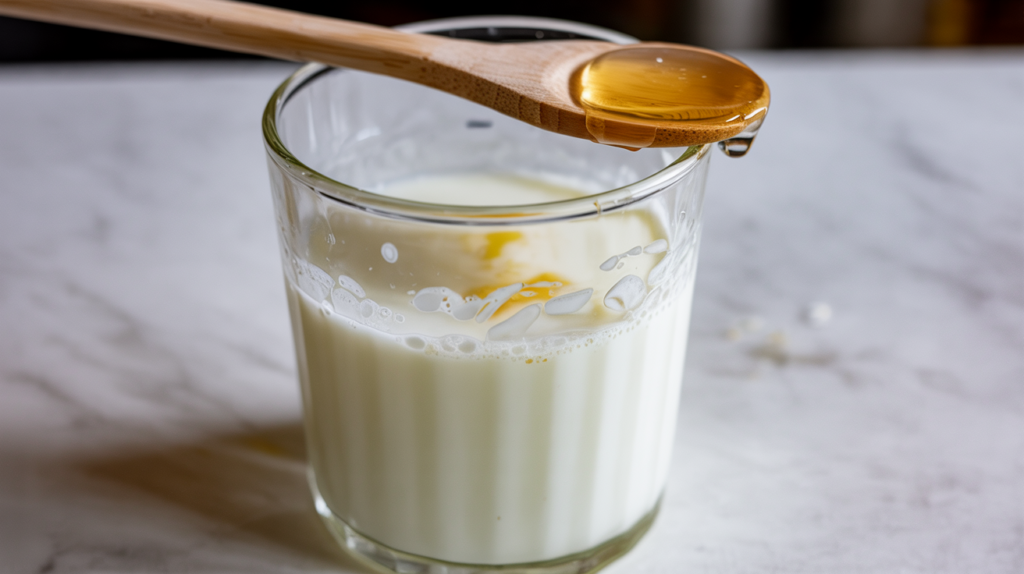
If you’re out of buttermilk, a quick substitute can be made by adding a tablespoon of
lemon juice or white vinegar to a cup of regular milk and letting it sit for five minutes.
Why You Should Try Irish Brown Bread
Baking your own
Irish brown bread is a truly
rewarding experience. It connects you directly to a
simple, age-old tradition and fills your kitchen with the most
appetizing, wholesome aroma.
It’s an
effortless loaf that delivers an
unforgettable flavor and a
deeply satisfying texture. Once you taste the
authenticity of a homemade slice, toasted and spread with butter, you’ll never look back.
This is the kind of bread that truly
nourishes the soul. It’s
rustic, honest, and undeniably delicious.
If you liked this recipe, you may also enjoy…
{
"@context": "https://schema.org/",
"@type": "Recipe",
"name": "Best Best Irish Brown Bread Recipe | Traditional Homemade…",
"author": { "@type": "Person", "name": "Freshly Food Recipes" },
"description": "Authentic and easy Best Best Irish Brown Bread Recipe | Traditional Homemade… recipe for home cooks.",
"prepTime": "PT10M",
"cookTime": "PT20M",
"totalTime": "PT30M",
"recipeCategory": "Main Course",
"recipeYield": "4 servings",
"aggregateRating": {
"@type": "AggregateRating",
"ratingValue": "4.9",
"reviewCount": "128"
}
}