History of Fettuccine Alfredo

The story of Fettuccine Alfredo is a beautiful example of how simple ingredients can create a worldwide sensation. Unlike many classic Italian dishes with ancient, regional roots, this one has a very clear, relatively modern origin.
The dish was created in Rome by Alfredo Di Lelio in the early 20th century. Legend says he created it for his wife, who had lost her appetite after giving birth. The original recipe was incredibly simple: fettuccine pasta, butter, and Parmigiano-Reggiano cheese.
It became famous when American movie stars Mary Pickford and Douglas Fairbanks visited Di Lelio’s restaurant, loved the dish, and brought the Fettuccine Alfredo craze back to the United States.
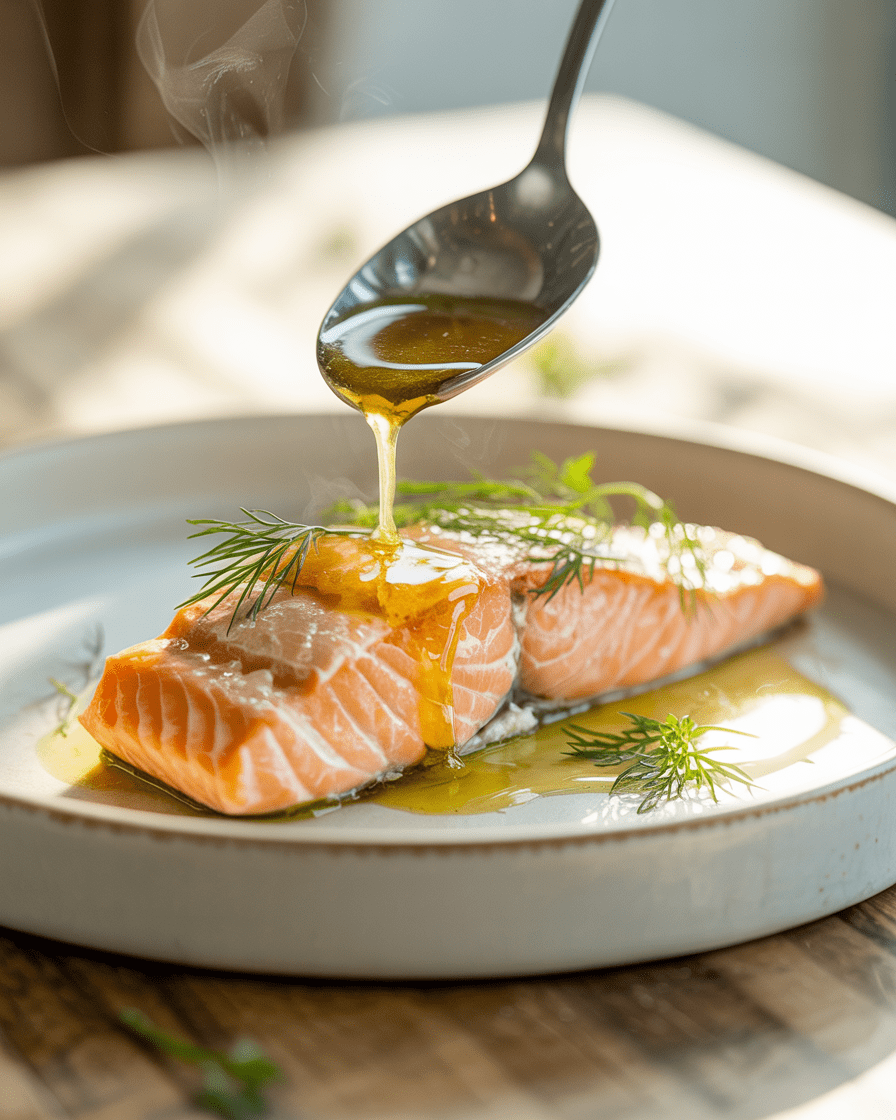

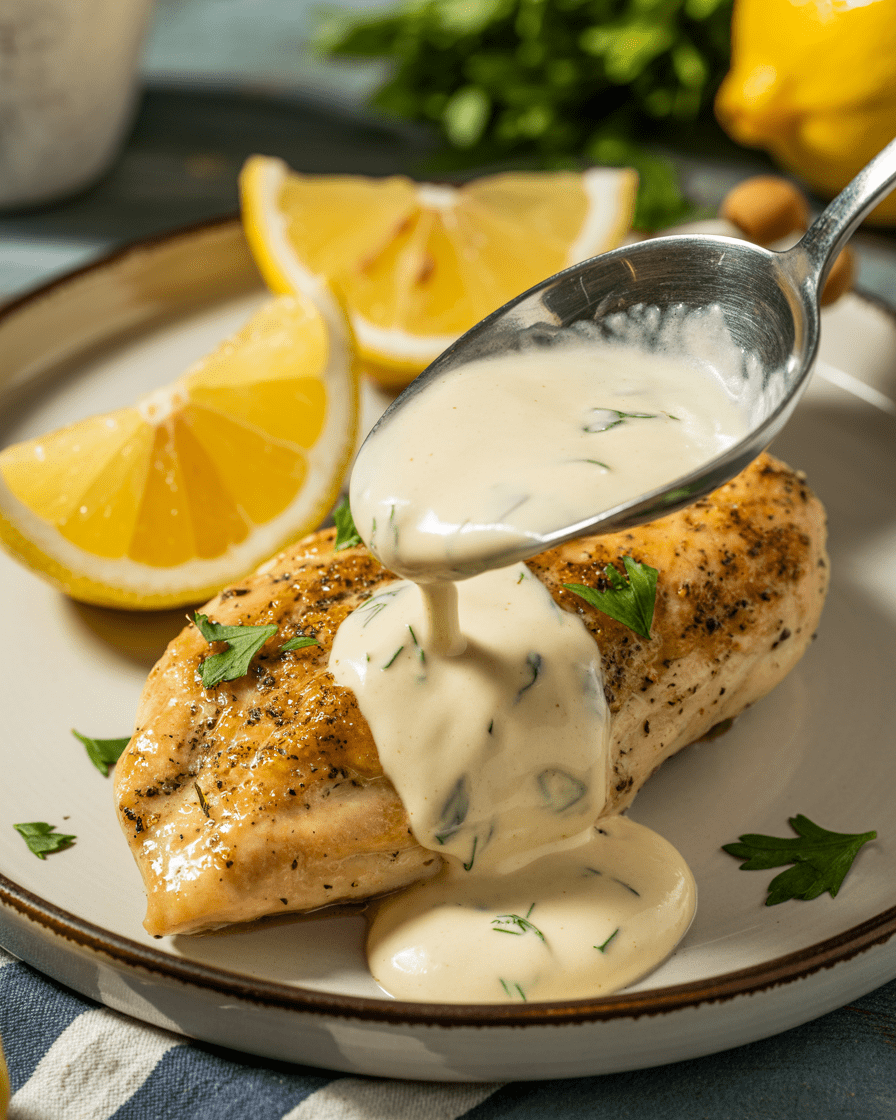

However, the Americanized version is often much richer, thickened with heavy cream—a component not present in the original Roman classic. Today, when you learn how to make Fettuccine Alfredo, you’re often learning the beloved, creamy American version.
Best Ingredients for the Perfect Fettuccine Alfredo

Achieving that magnificent, velvety sauce and perfect texture in Fettuccine Alfredo requires focusing on just a few key, high-quality ingredients. Subpar components will ruin the simple elegance of the dish.
The pasta must be fettuccine. Its broad, flat surface is specifically designed to catch and hold the rich, creamy sauce, ensuring every strand is fully coated. Using fresh pasta, if possible, elevates the texture immensely.
The cheese is non-negotiable: freshly grated Parmigiano-Reggiano. Do not use pre-grated cheese; it contains anti-caking agents that prevent it from melting properly into a smooth, emulsified sauce. The nutty, sharp flavor of real Parmigiano is essential.
For the sauce base, unsalted butter and heavy cream are needed for the American-style richness. The cream provides the decadent, thick consistency, while the butter carries the flavor. Using high-fat dairy is crucial for stability.
Lastly, the often-overlooked secret ingredient is the pasta cooking water. Its starch content is what helps emulsify the sauce, turning it into that signature glossy, smooth coating.
Taste & Texture Highlights
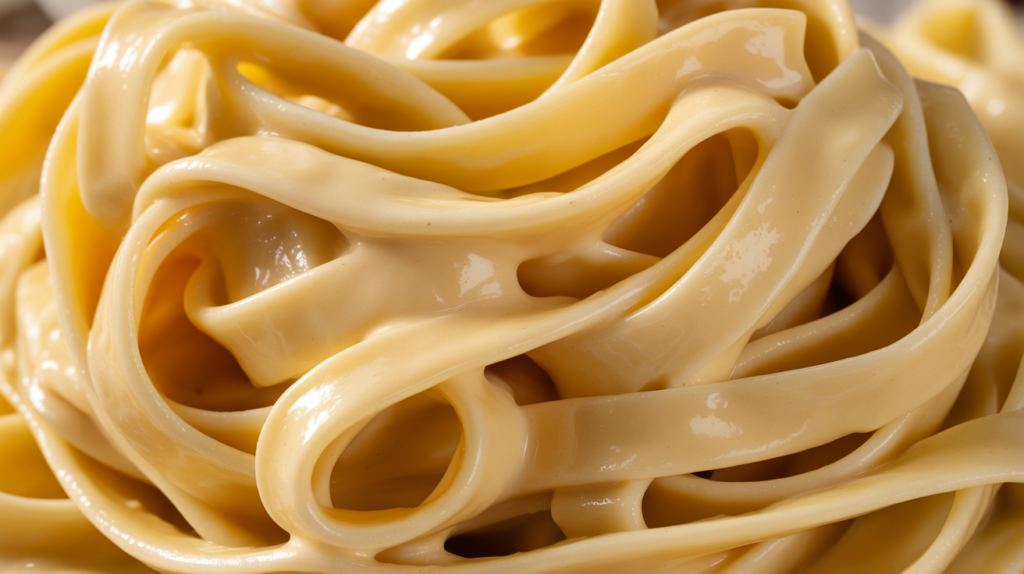
A successful plate of Fettuccine Alfredo is a harmony of comforting flavors and an intensely satisfying, luxurious texture.
The taste is profoundly rich, savory, and decadent. It’s dominated by the warm, nutty sharpness of the Parmesan and the buttery sweetness of the heavy cream, finished with a subtle yet essential kick of black pepper.
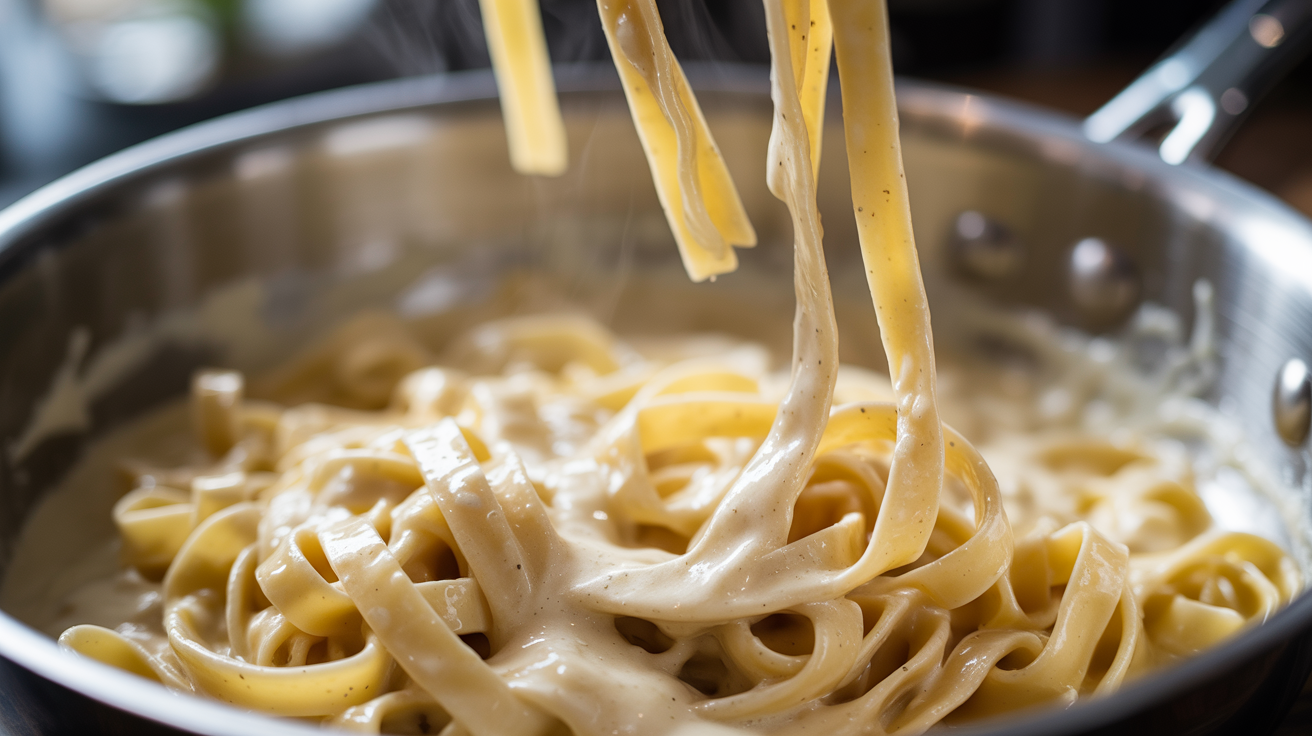
The texture is paramount: the sauce must be velvety-smooth and glossy, clinging tenaciously to every strand of the fettuccine. It should not be watery, nor should it be too thick or gluey.
When made correctly, the pasta is perfectly al dente, offering a slight resistance to the bite, which contrasts beautifully with the warm, creamy sauce. It is the ultimate comfort food experience.
Flavor Combinations That Work
The simple richness of Fettuccine Alfredo serves as an excellent canvas. While the purist version is a masterpiece, a few additions can enhance its complexity without ruining the core flavor.
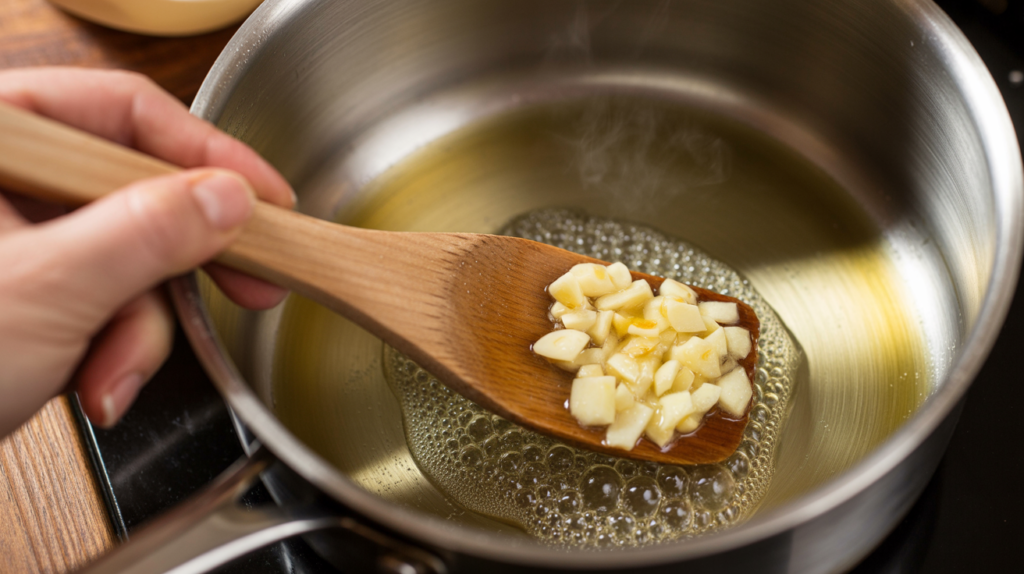
- Garlic Infusion: Sautéing a couple of minced garlic cloves in the butter before adding the cream adds a warm, aromatic depth that is highly popular in modern versions of the sauce.
- Nutmeg Warmth: A tiny pinch of freshly grated nutmeg stirred into the sauce enhances the milk notes and adds a subtle, comforting spice that is a common Italian touch.
- Lemon Brightness: A small squeeze of fresh lemon juice at the very end cuts through the immense richness of the cream and butter, brightening the flavor profile significantly.
- Protein Enhancement: Adding pan-seared chicken breast or sautéed shrimp instantly transforms the side dish into a complete, power-packed main meal, like Chicken or Shrimp Alfredo.
These additions show you how to make Fettuccine Alfredo customized for any occasion or craving.
Health Benefits of Fettuccine Alfredo
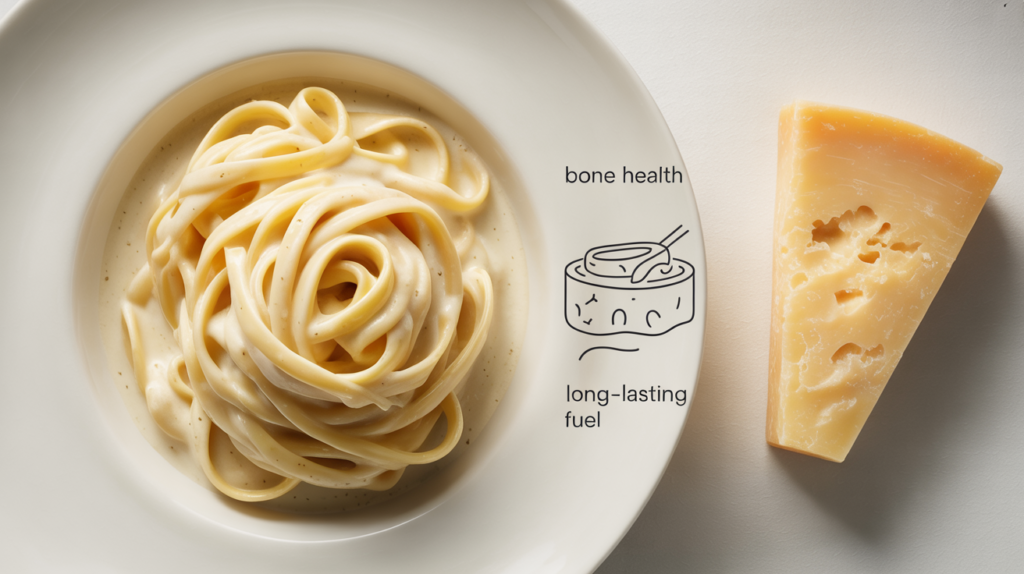
While Fettuccine Alfredo is famously rich, it does offer concentrated amounts of key nutrients, making it a source of energy and essential vitamins.
The primary benefit comes from the dairy components. Heavy cream and Parmesan cheese are excellent sources of Calcium, vital for bone and teeth health. The cheese also contributes a high amount of quality protein.
The pasta provides complex carbohydrates, offering sustained energy, which is important for active individuals. The fats in the dish aid in the absorption of fat-soluble vitamins (A, D, E, K).
When consumed in moderation, this can be a highly satisfying meal that delivers concentrated energy and protein, making it an excellent choice for a hearty dinner.
Nutrition Facts & Calories

The nutritional profile of Fettuccine Alfredo is characterized by high levels of fat and carbohydrates, positioning it as a dense, high-energy dish.
It is high in saturated and unsaturated fats from the butter and cream, which contribute to its unrivaled richness and caloric density. The pasta provides a strong base of complex carbohydrates.
Micronutrients are supplied mainly by the cheese, which is rich in Calcium, Vitamin A, and Phosphorus. The sauce’s richness also contributes a good amount of protein.
Due to the generous amounts of cream and butter typically used, a standard serving generally ranges from 600 to 900 calories, depending on the portion size and the fat content of the dairy. It is best enjoyed as an occasional indulgent, comforting meal.
Quick Tips for Making the Creamiest Alfredo
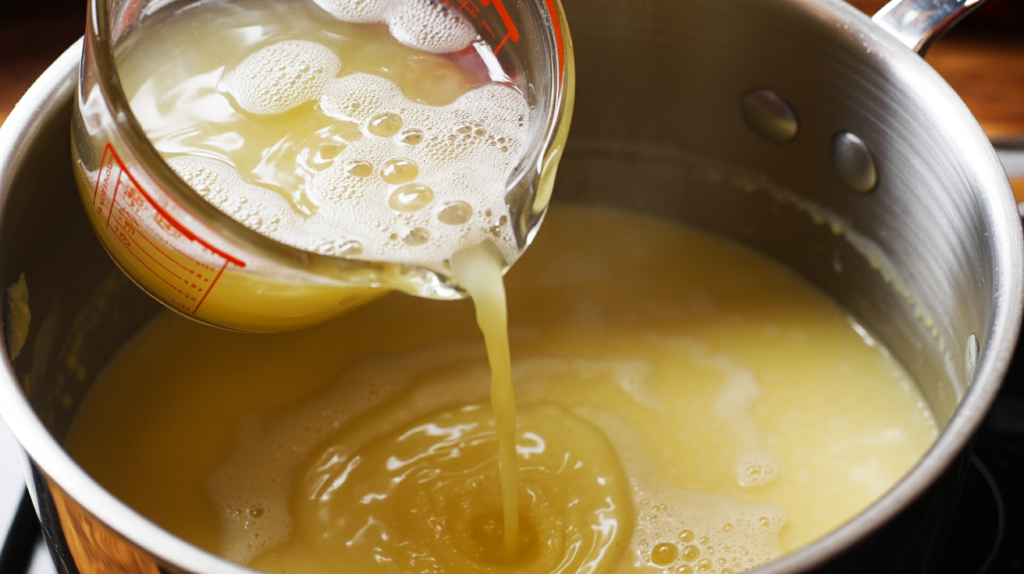
Mastering the perfect Fettuccine Alfredo sauce is all about emulsification. These tips guarantee that glossy, velvety texture.
Use low heat. The key is to melt the butter, cream, and cheese very slowly over low heat. If the heat is too high, the cheese will seize or become stringy, and the sauce will split or become oily.
Reserve the pasta water. This starchy, salty liquid is your magic wand. Whisking it into the cream and butter mixture helps the fat and water bind together, creating that smooth, glossy coating.
Add the cheese off the heat. Stir the grated Parmesan into the sauce after removing the pan from the heat. The residual warmth is enough to melt the cheese slowly and prevent it from clumping or splitting.
Serving Suggestions

Fettuccine Alfredo is an inherently elegant dish that deserves careful presentation to highlight its creamy richness.
Always serve it on warm plates or bowls. The warmth prevents the rich sauce from cooling down too quickly and thickening into a glob.
Garnish simply: a generous dusting of freshly cracked black pepper is essential, providing aroma and a visual contrast to the white sauce. A final flourish of freshly grated Parmesan is mandatory.
The perfect portion is key—a modest serving allows the richness to be appreciated without overwhelming the diner.
Perfect Pairings / Meal Ideas

Because Fettuccine Alfredo is so rich and buttery, it requires light, acidic, or herbaceous counterparts to balance the meal.
A large, simple side salad dressed with a sharp, tangy vinaigrette (like lemon or red wine vinegar) offers a necessary acidic contrast to the creaminess.
For vegetables, focus on light, bright green options such as blanched asparagus, steamed broccoli, or green beans, which provide a fresh crunch and a clean, contrasting flavor.
If you enjoy the combination of seafood and creamy sauces but are looking for a completely different flavor profile—perhaps something quick, fresh, and sheet-pan easy—you might be interested in Sheet Pan Shrimp Tacos With Cilantro Cream Sauce. It’s a great way to explore creamy flavors in a more vibrant context.
Presentation Tips
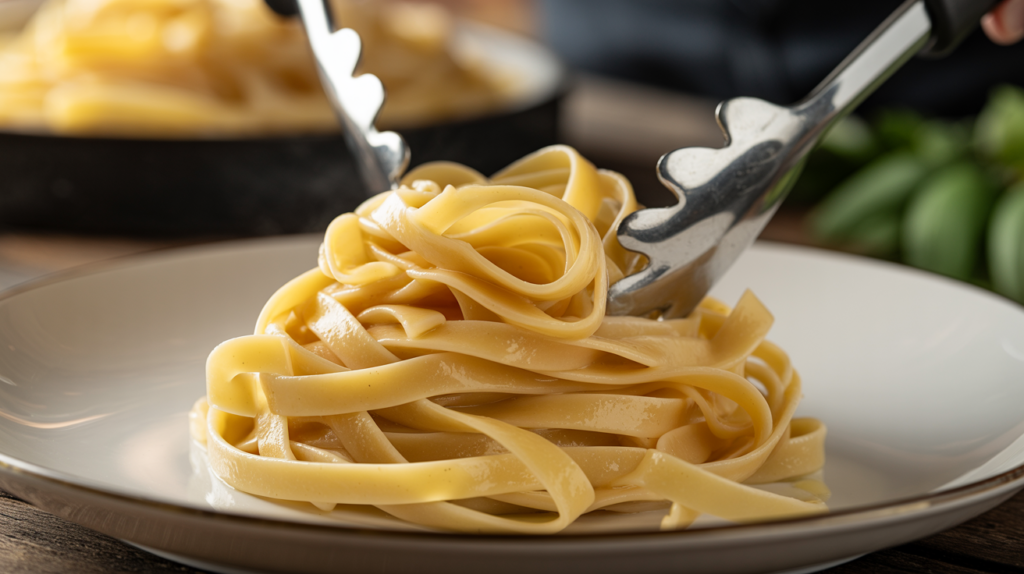
Making your Fettuccine Alfredo look as inviting as it tastes enhances the overall dining experience.
Plate the pasta by twirling it onto the plate using tongs and a carving fork to create a neat, voluminous mound.
Spoon the rich, glossy sauce evenly over the twirled pasta, ensuring a perfect coating. The sauce should shine under the light.
If adding chicken or shrimp, slice the protein thinly and arrange it neatly over the top of the pasta mound before applying the final pepper and Parmesan garnish.
Pro Tips & Fun Facts

- Pasta Choice: While fettuccine is traditional, the sauce works beautifully with other wide pasta shapes like tagliatelle or pappardelle, which also have the surface area to hold the creamy sauce.
- Pre-Grate the Cheese: Grate your Parmesan cheese well ahead of time. This ensures it’s ready to be stirred in quickly at the end, minimizing the risk of overcooking the sauce.
- The Vinegar Test: If your sauce splits, sometimes a drop or two of white wine vinegar can help re-emulsify it by introducing the necessary acid to bind the fats and liquids again.
Why You Should Try Fettuccine Alfredo
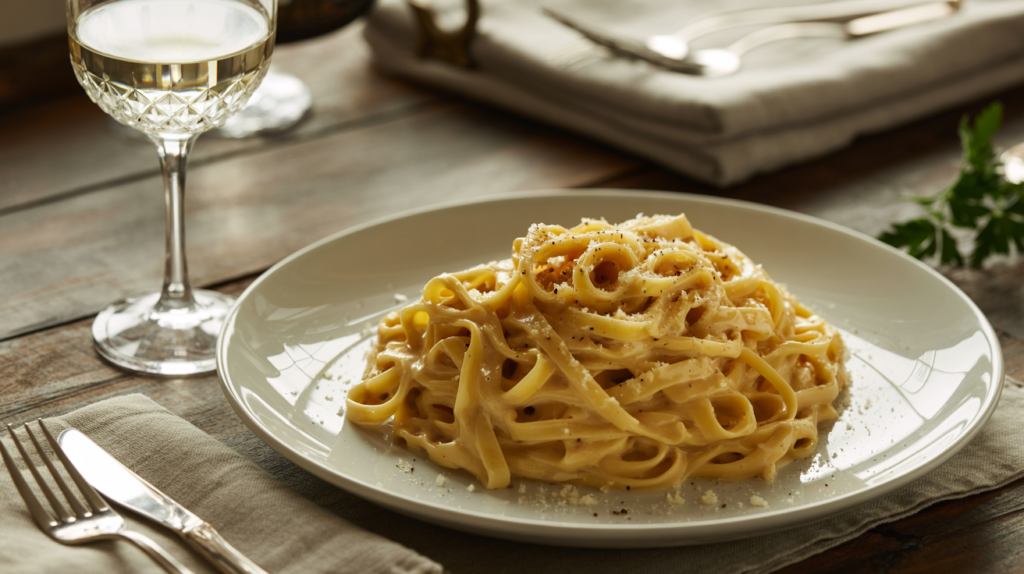
Learning how to make Fettuccine Alfredo is an exercise in mastering simple elegance. It is a dish that proves you don’t need dozens of ingredients to create something profoundly delicious and satisfying.
It offers the ultimate comfort food experience—a warm, rich blanket of velvety sauce clinging to perfect strands of pasta. It is guaranteed to be a hit at any dinner table.
Stop relying on jarred sauces and embrace the richness and flavor of this classic. Master the technique, use the best ingredients, and serve yourself a plate of pure, creamy decadence.
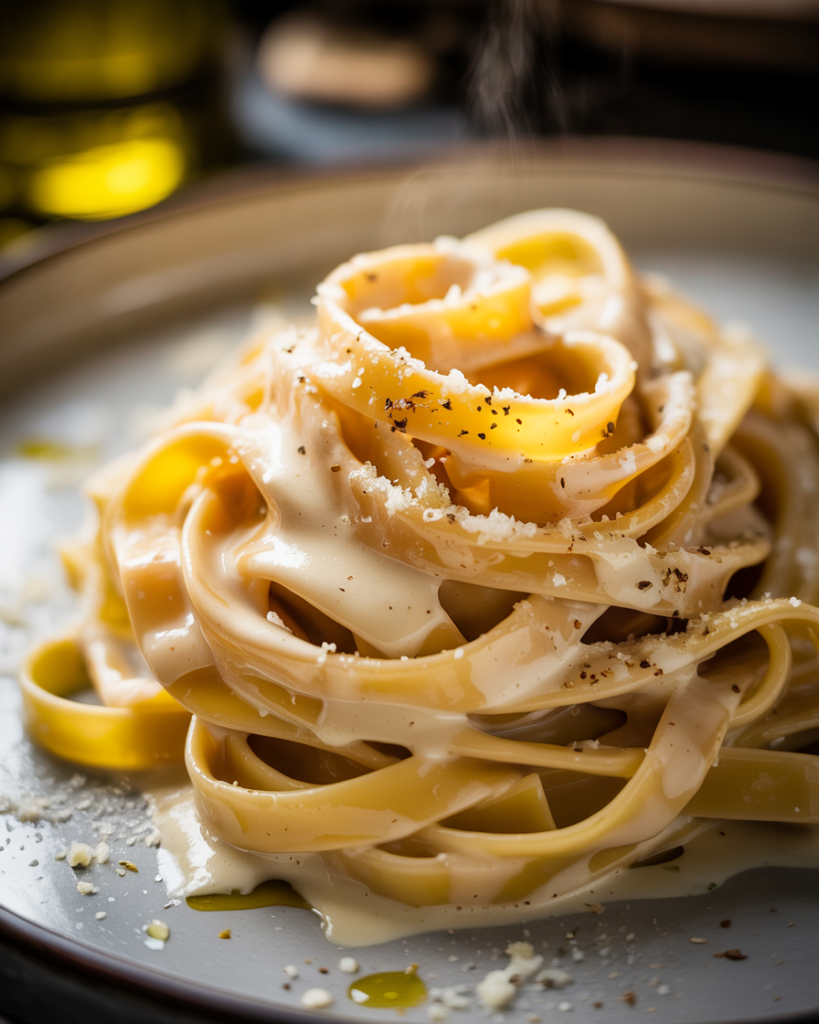

Best Fettuccine Alfredo
Description
This recipe creates the Best Fettuccine Alfredo by combining tender pasta with a luxurious, emulsified sauce made from high-quality butter, heavy cream, and aged Parmesan cheese. It is the ultimate comfort food, perfectly balanced and incredibly smooth.
Ingredients
The Pasta
The Alfredo Sauce
Garnish
Instructions
-
Step 1: Boil the Water
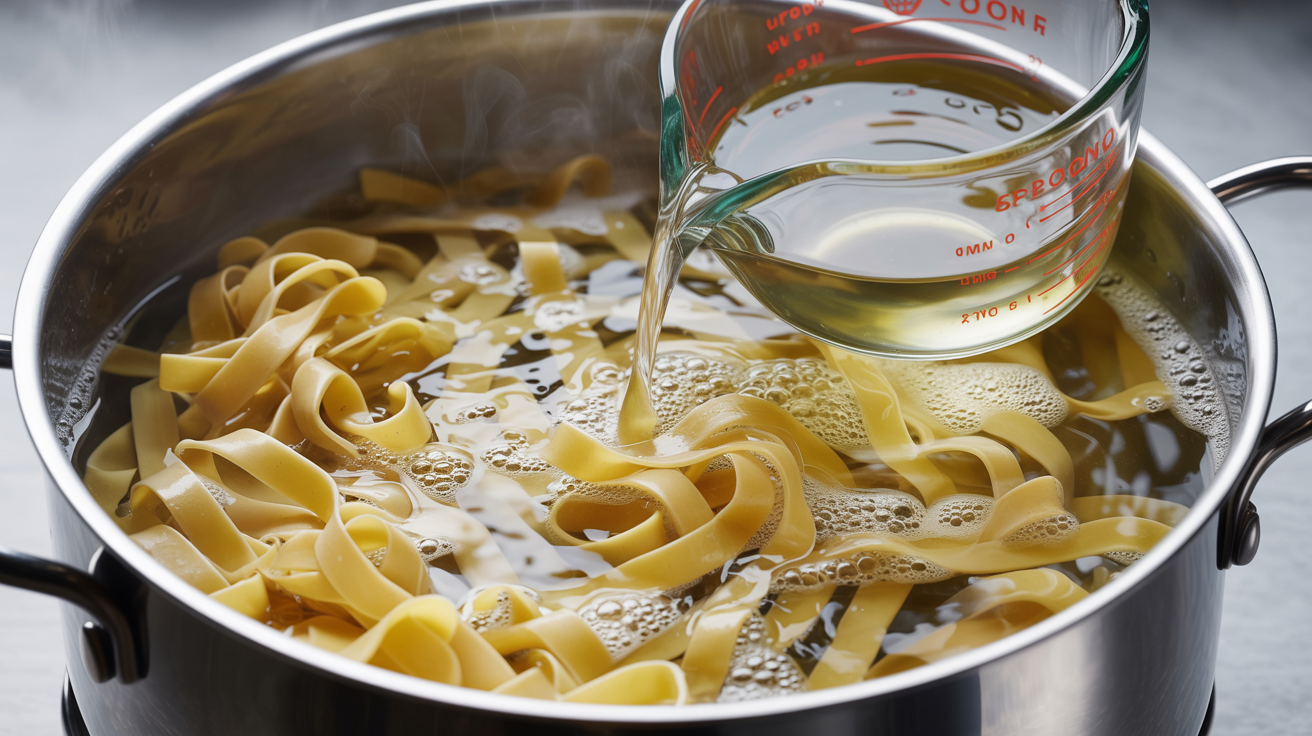
Bring a large pot containing 4 L of water to a rolling boil over high heat 100 C. Once boiling, add the kosher salt. Add the fettuccine and cook according to package directions until al dente (usually 1 minute less than the recommended time). Crucial Step: Before draining, dip a measuring cup into the pot and reserve 1/2 cup of the starchy pasta water. Drain the pasta.

-
Step 2: Start the Sauce Base
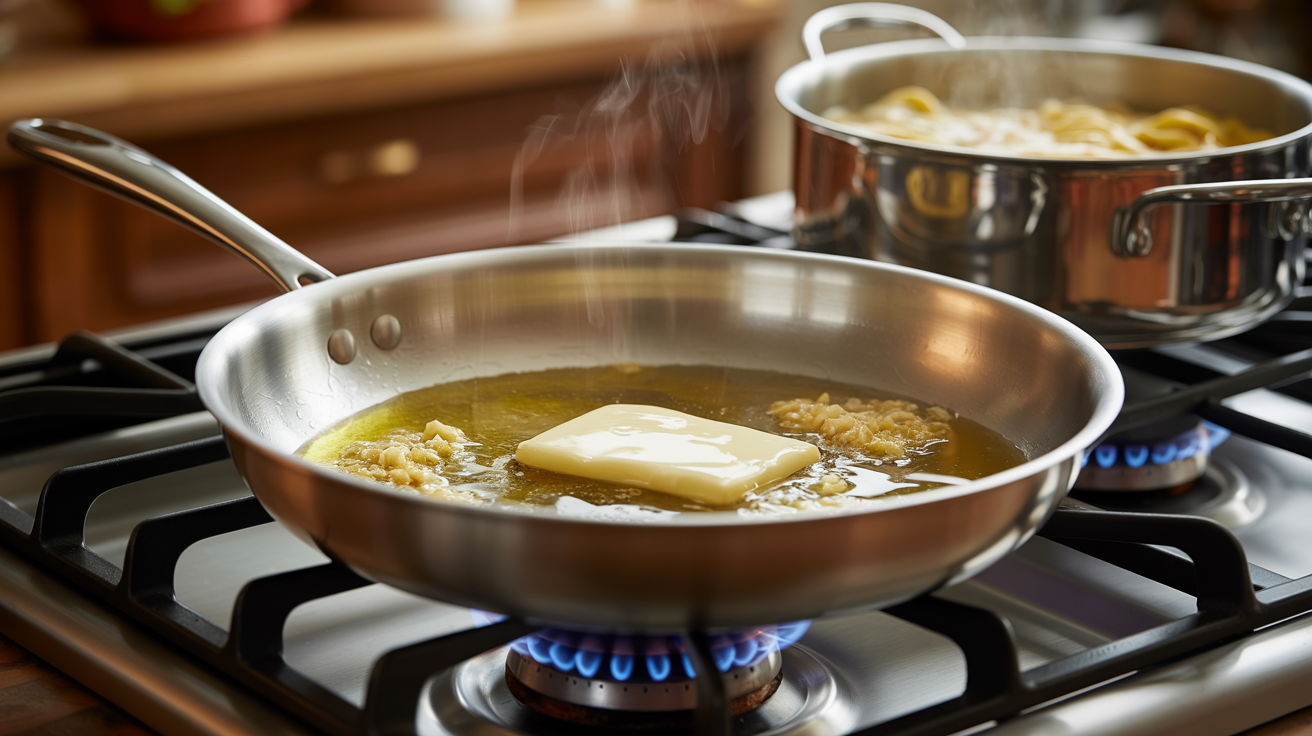
While the pasta cooks, place a large, deep skillet over medium-low heat. Add the butter and allow it to melt gently. If using garlic, add it now and sauté for 30 seconds until fragrant, but do not let it brown.
-
Step 3: Simmer the Cream
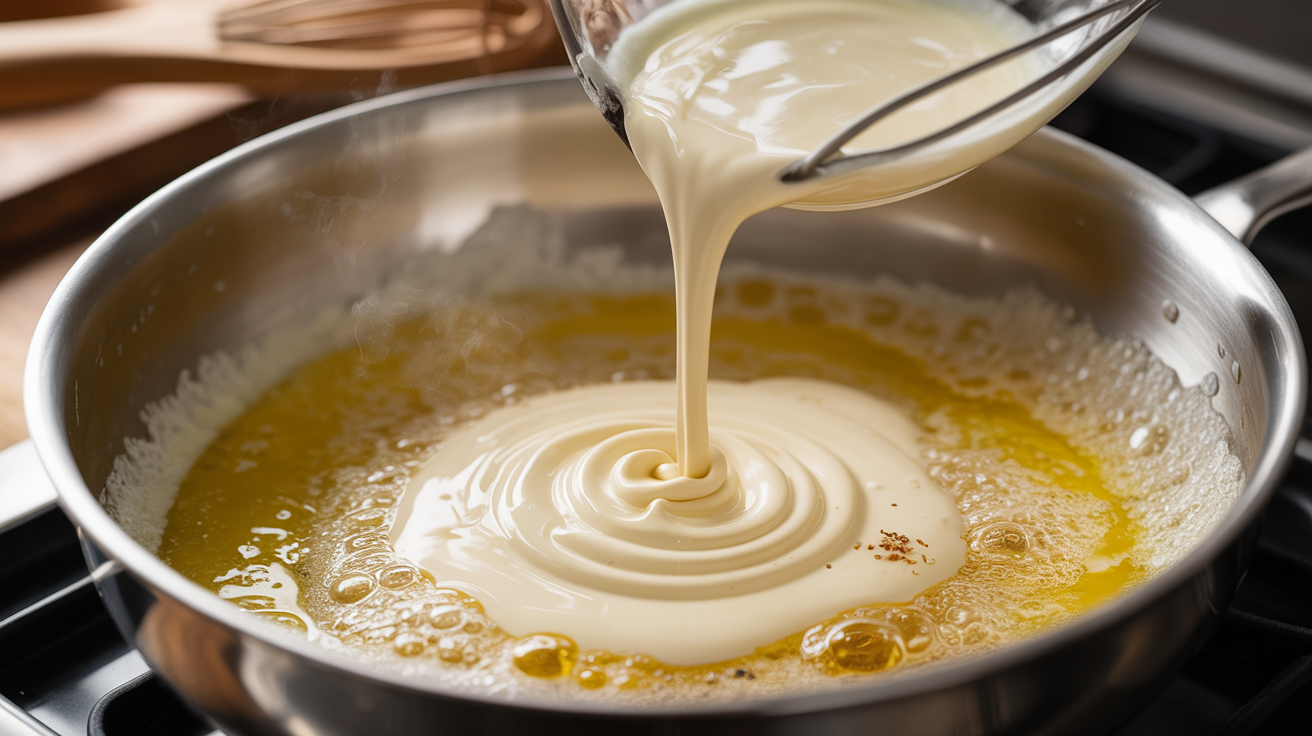
Pour the heavy whipping cream into the skillet with the melted butter. Increase heat slightly to medium and bring to a gentle simmer. Let it bubble for 2 minutes to reduce slightly and concentrate the flavors. Whisk in the nutmeg and black pepper.
-
Step 4: The Toss and Emulsify
Reduce the heat to low. Add the cooked fettuccine directly into the skillet with the cream mixture. Sprinkle half of the grated Parmesan cheese over the noodles. Using tongs, toss the pasta vigorously to coat.

-
Step 5: Create the Silkiness
Add a splash 2 Tbsp of the reserved hot pasta water and the remaining Parmesan cheese. Continue tossing the pasta constantly for 1–2 minutes. The starch in the water and the mechanical action of tossing will cause the sauce to thicken and become glossy, clinging to the noodles. If the sauce looks too thick, add a little more pasta water; if too thin, keep tossing.
Nutrition Facts
Servings 4
- Amount Per Serving
- Calories 580kcal
- % Daily Value *
- Total Fat 38g59%
- Saturated Fat 22g111%
- Sodium 650mg28%
- Total Carbohydrate 48g16%
- Dietary Fiber 2g8%
- Sugars 2g
- Protein 18g36%
* Percent Daily Values are based on a 2,000 calorie diet. Your daily value may be higher or lower depending on your calorie needs.
Note
Cheese Matters: Do not use pre-shredded cheese in bags. They contain anti-caking agents (cellulose) that prevent the cheese from melting into a smooth sauce, resulting in a gritty texture. Always grate your own block of Parmesan.
Salt Control: Parmesan is naturally salty. Taste your sauce before adding any extra salt at the end.
Reheating: Alfredo sauce can separate when reheated. To reheat, do so gently on the stove with a splash of water or milk to help re-emulsify the fats.