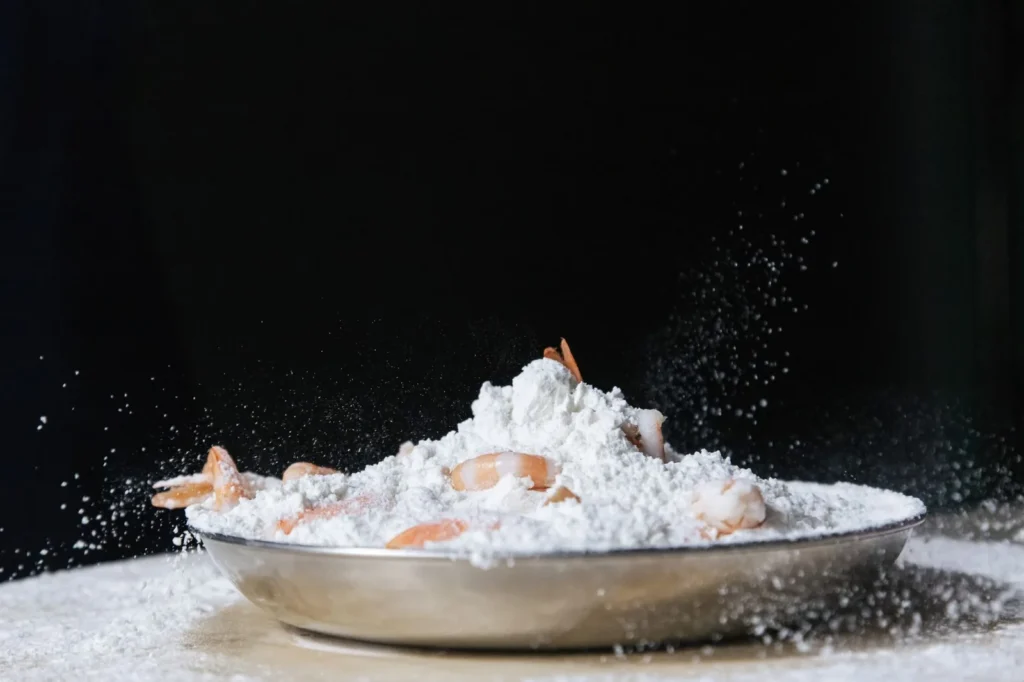
A baked coconut shrimp recipe is the easiest way to get that crave-worthy crunch without standing over a pot of hot oil. You coat raw shrimp in a light flour and egg wash, press them into sweet shredded coconut, and let the oven do the crisping. The result is a shrimp that stays juicy inside while the outside turns golden and crispy.
This version uses a moderate oven temperature so the coconut colors evenly instead of burning before the shrimp cooks through. You'll also find a quick dipping sauce that balances the sweetness with a tangy lime kick. It's a practical weeknight option that feels a little special without extra fuss. Making this baked coconut shrimp at home is surprisingly straightforward once you know the key steps.
Why You'll Love These Baked Coconut Shrimp
- Oven-baked method uses about 2 tablespoons of oil instead of 2 cups for frying.
- Shredded coconut creates a thicker, crunchier crust than standard breadcrumbs.
- Ready in about 35 minutes from raw ingredients to serving plate.
- Works as a main over rice or as a party appetizer with toothpicks.
Ingredients You'll Need
- 1 pound large raw shrimp, peeled and deveined, tails left on
- 1/2 cup all-purpose flour
- 2 large eggs
- 1 cup sweetened shredded coconut
- 1/2 cup panko breadcrumbs
- 2 tablespoons avocado oil
- 1/2 teaspoon salt
- 1/4 teaspoon black pepper
- 1/2 cup Greek yogurt
- 2 tablespoons lime juice
- 1 tablespoon honey
Ingredient Substitutions
Sweetened shredded coconut: Replace with an equal amount of unsweetened coconut flakes if you want less sugar. Unsweetened coconut browns faster, so drop the oven temperature by 10°C and check at 12 minutes. The crust will taste more toasty and less candy-like, which suits a savory dipping sauce better. The baked coconut shrimp works well for weeknight cooking when time is limited.
All-purpose flour: Use an equal weight of rice flour for a gluten-free coating that crisps well. Rice flour gives a lighter, almost glassy shell and resists sogginess longer than wheat flour. You may need to press the coating on a bit harder since it does not cling as naturally. Storing leftover baked coconut shrimp correctly keeps it tasting good for days.
Greek yogurt: Swap with an equal amount of sour cream in the dipping sauce for a richer, less tangy base. Sour cream holds its texture at room temperature longer, which helps if the sauce sits out during a party. The flavor turns rounder and less sharp than the yogurt version. For the best results with this baked coconut shrimp, read through all the steps before starting.
Avocado oil: Use the same amount of melted coconut oil to reinforce the tropical note. Coconut oil solidifies below 24°C, so brush it on while still liquid and work quickly. Expect a slightly more pronounced coconut aroma in the finished crust.
Step-by-Step Instructions
- Heat the oven to 180°C / 350°F and line a sheet pan with parchment. Pat the shrimp very dry with paper towels so the coating sticks.
- Mix flour, salt, and pepper in a shallow bowl. Beat eggs in a second bowl. Combine coconut and panko in a third bowl.
- Coat each shrimp in flour, then egg, then press into the coconut mix until fully covered. Place on the pan and brush tops with avocado oil.
- Bake for 14–16 minutes until the coconut is golden and crispy and the shrimp are opaque. Serve with the lime-yogurt sauce.
Pro Tips
Dry the shrimp thoroughly before coating or the coconut slides off during baking. A quick press with paper towels takes 30 seconds and saves the whole batch.
Combine coconut with panko so the crust stays put instead of shedding. The panko acts like a skeleton for the flakes and improves the crunch.
Brush oil on top rather than drizzling so the heat reaches the coconut evenly. Learn more about even roasting from oven techniques that keep coatings crisp.
Make the dipping sauce first and chill it while the shrimp bake for fuller flavor. Cold sauce against hot shrimp sharpens the sweet-tart contrast.
Common Mistakes to Avoid
Skipping the egg wash leads to bare spots where the coconut falls off. The egg is the glue that holds the flakes to the flour layer beneath.
Overcrowding the pan traps steam and softens the crust. Leave a thumb-width gap between shrimp so hot air circulates on all sides.
Using fine desiccated coconut instead of shredded makes a dense, dry coat. Shredded pieces give the airy bite that defines a good garlic butter shrimp alternative.
Serving Suggestions
Plate the shrimp over jasmine rice with a lime wedge for a light dinner. The starch absorbs the sauce and keeps the meal filling.
Offer them as an appetizer next to artichoke hearts for a mixed seafood and vegetable board. The mild artichoke balances the sweet coconut.
A side of spinach dip gives guests a second cool dip option beyond the lime yogurt. Keep both sauces in small bowls for sharing.
Storage and Reheating
Refrigerate leftovers in an airtight container for up to 3 days. The coconut softens over time but the shrimp stay safe to eat.
Reheat in a 180°C oven for 6–8 minutes until the internal temperature reaches 60°C / 140°F. Avoid the microwave, which makes the coating rubbery.
You can freeze baked shrimp for freeze for up to 2 months in a single layer before bagging. Reheat from frozen at 190°C for 12 minutes.
Recipe Variations
Spicy Version
Add 1/2 teaspoon cayenne to the flour mix before coating the shrimp. The heat builds slowly and cuts the coconut sweetness. Serve with extra lime to cool the burn.
Low-Carb Option
Drop the panko and use 1.5 cups shredded coconut plus 2 tablespoons almond flour. The crust crisps at the same temperature but snaps harder. Pair with lemon butter salmon for a fuller low-carb plate.
Air Fryer Swap
Cook at 190°C for 8–9 minutes in a single layer with the basket shaken halfway. The circulating air gives a tighter crunch than the oven. Try alongside caesar chicken for a mixed protein dinner.
Tropical Platter
Add 1/2 cup diced mango to the dipping sauce for a fruit-forward twist. The mango softens the yogurt and adds chew. Serve the shrimp with twice baked potato for a warm side.