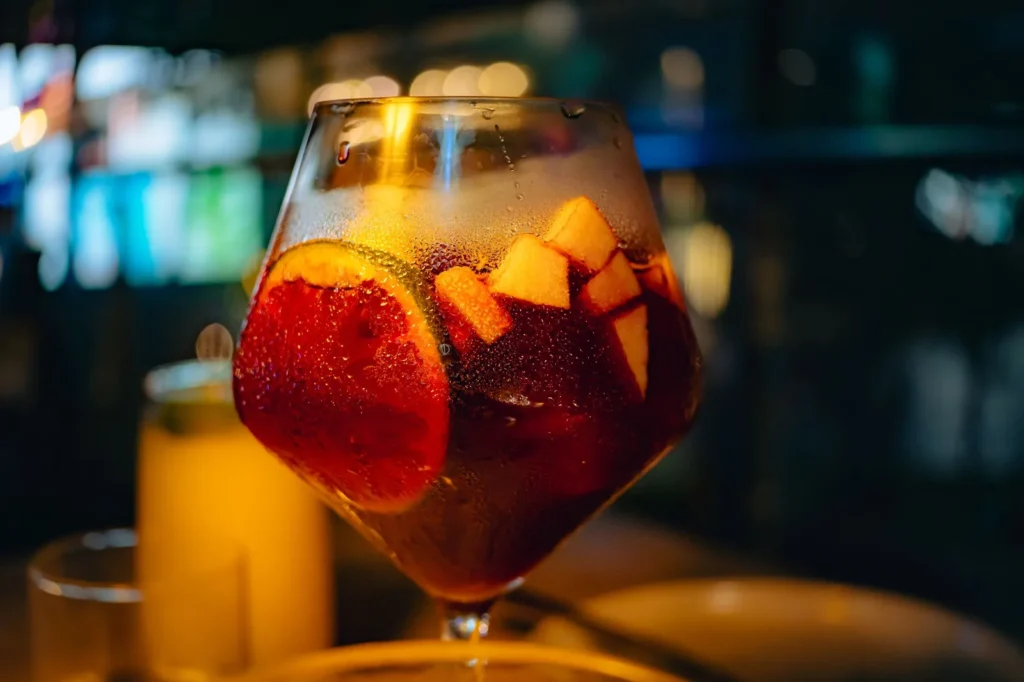
An autumn sangria recipe is the easiest way to capture the warmth of fall in a single pitcher of wine. It leans on crisp apple, ripe pear, and gentle baking spices instead of the citrus and berries you'd find in a summer batch. You get a drink that tastes like a cool evening, not a beach party.
This version is built for make-ahead convenience. The fruit sits in the wine and brandy for a few hours so the flavors meld without turning muddy. It's a practical choice when you're hosting and don't want to mix drinks to order. Making this autumn sangria at home is surprisingly straightforward once you know the key steps.
Why You'll Love These Autumn Sangria
- Low effort: one bowl, no special tools, and a short rest in the fridge does the work.
- Flexible sweetness: you control the maple syrup, so it reads dry or rounded.
- Seasonal fruit: apple and pear hold their shape and don't bleed color like berries.
- Batch friendly: a single pitcher serves eight without extra steps.
- Spice-forward: cinnamon and clove give the aroma of a baked dessert without heat.
Ingredients You'll Need
- 1 bottle (750 ml) dry red wine, such as Tempranillo or Merlot
- 1/2 cup brandy
- 1/4 cup pure maple syrup
- 1 medium red apple, cored and diced
- 1 medium Bosc pear, cored and diced
- 1/2 cup fresh cranberries
- 2 cinnamon sticks
- 4 whole cloves
- 2 cups chilled apple cider
- 1 cup sparkling water, added just before serving
Ingredient Substitutions
Dry red wine: Replace with an equal amount of dry rosé for a lighter, pink-hued pitcher. Rosé carries less tannin, so the spice reads brighter and the fruit tastes fresher. Expect a shorter rest time since rosé turns bitter if it sits with cloves beyond 4 hours. The autumn sangria works well for weeknight cooking when time is limited.
Maple syrup: Use 3 tablespoons of honey thinned with 1 tablespoon warm water for each 1/4 cup called for. Honey adds a floral note and a slightly thicker mouthfeel than maple. The drink will be a touch sweeter, so cut the apple cider to 1 3/4 cups if you prefer balance. Storing leftover autumn sangria correctly keeps it tasting good for days.
Apple cider: Swap with equal parts pear nectar for a softer, more perfumed base. Pear nectar is less tart, so add 1 teaspoon lemon juice to keep the acidity upright. The color stays pale gold rather than amber.
Fresh cranberries: Use 1/2 cup pomegranate seeds if cranberries are out of season. Seeds give a juicy pop instead of a sharp bite and won't tint the wine pink. They also sink, so stir before pouring.
Step-by-Step Instructions
- Pour the 750 ml bottle of dry red wine and 1/2 cup brandy into a 3-quart glass pitcher. Add 1/4 cup maple syrup and stir on medium-low heat only if you want to dissolve it faster, but room temperature works with a brisk 30-second whisk.
- Add the diced red apple, diced Bosc pear, and 1/2 cup cranberries to the pitcher. Drop in 2 cinnamon sticks and 4 whole cloves so the spices infuse from the outside in.
- Cover the pitcher and refrigerate for 4 hours. The fruit should look slightly translucent at the edges and the wine will smell of cinnamon, not alcohol.
- Pour in 2 cups chilled apple cider and stir once, slowly, to keep the fruit suspended. Taste and add 1 more tablespoon maple syrup only if the cider was very dry.
- Add 1 cup sparkling water right before serving to lift the body. Serve over ice in 12-ounce glasses, making sure each gets apple and pear pieces.
Pro Tips
Chill the wine and cider before you start so the rest period actually cools the mix instead of warming it. A warm pitcher slows infusion and softens the apple crunch.
Use a wide spice grater to shave one cinnamon stick over the top of each glass for aroma that hits before the first sip.
Cut fruit to a 1/2-inch dice so it fits on a spoon and doesn't block the pour. Larger chunks stay raw-tasting in the center.
Make the base up to a day ahead but hold the sparkling water until guests arrive. The fizz drops within 20 minutes if added too early.
Common Mistakes to Avoid
Over-soaking the cloves past 6 hours turns the wine astringent; pull them out at the 4-hour mark if you won't serve same day. The Moscato sangria method uses fewer spices for this reason.
Adding sparkling water to the full batch and storing it flattens the drink and makes the fruit float oddly. Keep a cold bottle aside and top each glass.
Using sweetened cider doubles the sugar and masks the pear. Check the label and pick unsweetened base like you'd use in a toddy.
Serving Suggestions
Pour alongside a baked eggplant starter so the wine's acidity cuts the cheese. The red fruit and tomato sauce share a fall profile.
Offer a small bitter spritz option for guests who want something lower in sugar. The two pitchers side by side cover most palates.
Set out cinnamon sugar rimmed glasses for a dessert course pairing with oat bites if you want a casual sweet finish.
Storage and Reheating
Keep the base without sparkling water in a sealed pitcher for up to 3 days. The fruit softens by day two but the wine stays clean.
Freeze single portions in ice cube trays for up to 1 month and drop them into still cider for a quick glass. Don't refreeze after thawing.
This is a cold drink, so reheating isn't needed; if you prefer it warm, heat a mug portion to 160°F and add a fresh clove. Never boil or the alcohol flashes off.
Recipe Variations
White Autumn Batch
Swap the red wine for a bottle of dry white and use green apple instead of red. The result is paler and crisper, with the pear standing out more. Rest time drops to 3 hours to protect the lighter fruit.
Spiced Bourbon Version
Replace brandy with 1/2 cup bourbon and add 1 star anise to the pitcher. You get a smoky edge that pairs with roasted nuts. Skip the sparkling water if you want a heavier sip.
Cranberry Rosemary
Add 2 sprigs of rosemary with the cranberries and cut the cloves to 2. The herb pushes the drink savory and works with vegetable stew. Use within 2 days or the pine note turns sharp.
Low Alcohol Option
Use 1 cup wine and 3 cups cider, then top with 2 cups sparkling water. The autumn sangria recipe becomes a family pitcher at about 5% ABV. Lengthen rest to 5 hours so the fruit still flavors the thin base.