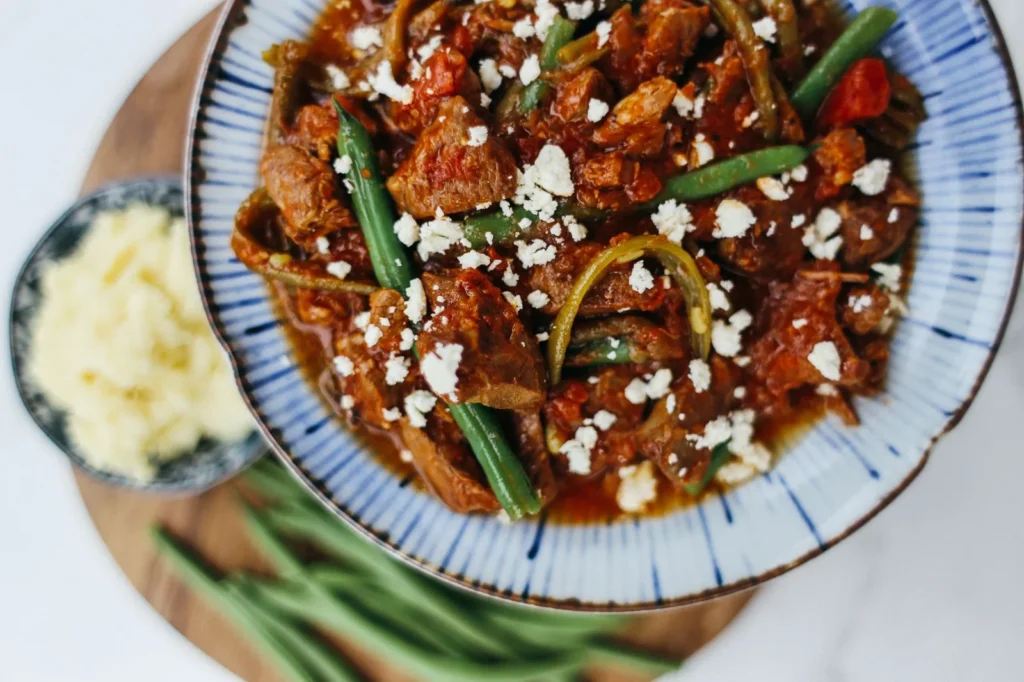
An abruzzese lamb stew recipe captures the heart of central Italian mountain cooking, where lamb is braised slowly with tomatoes, white wine, and rosemary until the meat turns fork-tender. This version keeps the technique straightforward so you get deep flavor without fussy steps. You'll end up with a rich, savory stew that pairs well with crusty bread or polenta.
The dish comes from Abruzzo, a region known for sheep farming and bold, herb-forward food. We use shoulder lamb here because it has enough fat and connective tissue to stay moist through a long simmer. The result is a thick, rustic stew with a balanced acidity from the tomatoes. If you enjoyed this, our register is worth trying next. Making this abruzzese lamb stew at home is surprisingly straightforward once you know the key steps.
Why You'll Love These Abruzzese Lamb Stew
- Shoulder lamb becomes tender after one slow simmer, no special equipment needed.
- Simple pantry herbs and wine build a savory depth without cream or flour.
- Leftovers thicken overnight and taste even better reheated the next day.
- One pot keeps cleanup short and the flavors concentrated.
Ingredients You'll Need
- 2 lbs lamb shoulder, cut into 1.5-inch cubes
- 3 tbsp olive oil
- 1 large yellow onion, diced
- 3 garlic cloves, minced
- 2 carrots, peeled and sliced into rounds
- 1 cup dry white wine
- 1 can (14 oz) crushed tomatoes
- 1 cup lamb or chicken stock
- 2 sprigs fresh rosemary
- 1 tsp salt
- 1/2 tsp black pepper
- 1 bay leaf
Ingredient Substitutions
Lamb shoulder: Replace with equal weight of beef chuck if lamb isn't available. Beef chuck has similar fat levels and breaks down the same way, though the flavor will read more neutral and less grassy. Keep the simmer time the same and check tenderness at 75 minutes. The abruzzese lamb stew works well for weeknight cooking when time is limited.
Dry white wine: Use 1 cup of low-sodium chicken stock plus 1 tbsp lemon juice if you avoid alcohol. The stew loses some brightness and a layer of fruitiness, so add the lemon at the end to recover acidity. Skip the step where you boil off alcohol and just add stock with the tomatoes. Storing leftover abruzzese lamb stew correctly keeps it tasting good for days.
Crushed tomatoes: Swap for 3 peeled fresh tomatoes, chopped, when they're in season. Fresh tomatoes give a lighter body and less uniform sauce, so simmer 10 minutes longer to thicken. You may need an extra pinch of salt since canned tomatoes carry more.
Fresh rosemary: Use 1 tsp dried rosemary if fresh isn't on hand. Dried herbs disperse faster, so add it with the stock rather than as a sprig you remove later. Expect a slightly more powdered texture in the sauce. For another easy option, check out our turkey burgers spinach.
Step-by-Step Instructions
- Heat 3 tbsp olive oil in a heavy pot over medium-high heat. Pat lamb dry and sear in batches until golden on all sides, about 4 minutes per side, then remove to a plate.
- Lower to medium heat and add onion, garlic, and carrots. Cook until onion turns soft and translucent, around 5 minutes, stirring to avoid browning.
- Pour in 1 cup dry white wine and scrape the pot bottom. Let it bubble until the liquid reduces by half, about 3 minutes, to lift the browned bits.
- Return lamb with juices, add crushed tomatoes, stock, rosemary, bay leaf, salt, and pepper. Bring to a gentle boil then drop to low heat.
- Cover and simmer 75 to 90 minutes, until lamb pieces pierce easily with a fork and sauce thickens. Remove rosemary and bay leaf before serving.
Pro Tips
Dry the lamb cubes with paper towels before searing so the surface browns instead of steaming. A wet piece of meat won't build the fond that gives the stew its roasted base note.
Read about braising techniques if you want to understand why low heat matters for collagen breakdown. Keeping the liquid at a bare simmer prevents the meat from tightening.
Finish with a splash of wine vinegar if the sauce tastes flat after simmering. Tomatoes vary in acid and a small correction sharpens the whole dish.
Let the stew rest off heat for 10 minutes before serving so the fat rises and the broth settles. Skim excess grease with a spoon if you prefer a leaner bowl.
Common Mistakes to Avoid
Crowding the pot during searing causes the lamb to release water and boil rather than brown. Sear in two batches if needed so each cube touches hot surface.
Adding cold stock to a hot pot can stall the simmer and toughen the exterior. Warm the stock briefly or add it slowly while stirring.
Removing the lid too early thins the sauce and extends cook time. Keep it covered except for the final 10 minutes if you want a thicker consistency.
Serving Suggestions
Spoon the stew over creamy polenta or toasted sourdough to catch the sauce. A side of zucchini mushrooms adds a light contrast to the rich meat.
For a full Italian table, open with baked feta and close with a simple citrus salad. The lamb also pairs with puttanesca if you want a pasta course.
Storage and Reheating
Cool the stew to room temperature within 2 hours then refrigerate in an airtight container for up to 4 days. Reheat on medium-low heat until the internal temperature reaches 165°F for food safety.
The abruzzese lamb stew recipe freezes well for up to 3 months in a sealed container. Thaw overnight in the fridge before reheating slowly to keep the lamb from drying.
Recipe Variations
Spicy Version
Add 1 tsp crushed red pepper with the garlic for a warm, lingering heat. The chili cuts the lamb's richness and suits those who like Abruzzo's peperoncino style. Keep the rest of the method identical.
Potato Addition
Stir in 2 cups of cubed Yukon gold potatoes at the 45-minute mark. They absorb the broth and thicken the stew naturally, making it a complete one-pot meal. Check doneness at 90 minutes.
White Bean Swap
Replace crushed tomatoes with 1 can of cannellini beans and extra stock for a brothier, lighter stew. The beans add creaminess and shift the dish toward a northern Italian feel. Simmer 15 minutes less to keep beans intact.
If you enjoy lamb dishes, try our lamb lollipop for a quick sear option. For a cold side, pasta salad balances the warm stew nicely.