

A sweet potato breakfast casserole is the kind of make-ahead bake that solves busy mornings without sacrificing a hot, filling meal. It layers thin sweet potato slices with eggs, breakfast sausage, and cheese so each square holds soft roots, savory meat, and a set custard. You get a dish that feeds six people from one pan and reheats cleanly through the week.
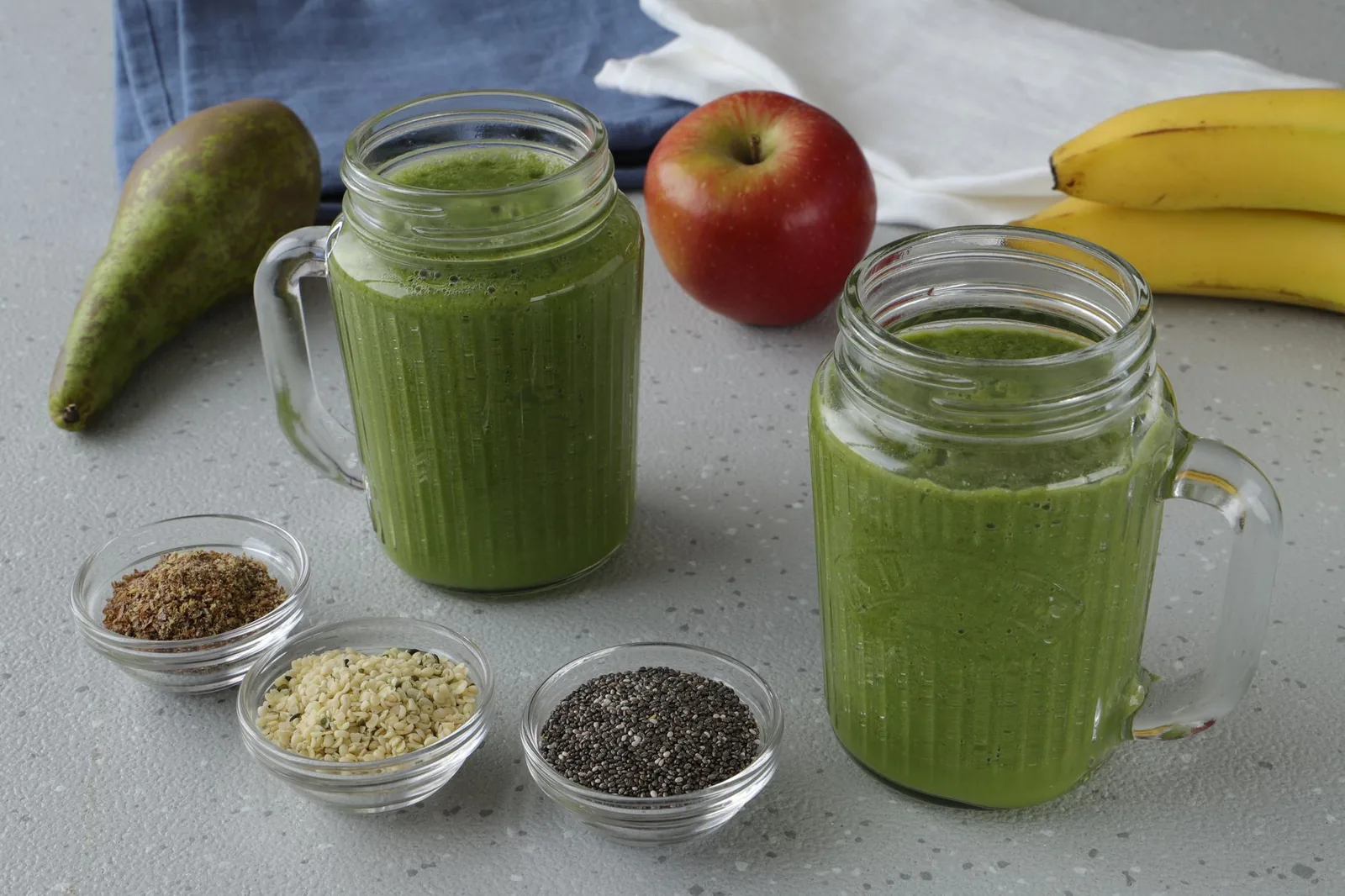
The structure matters more than the seasoning. Sweet potatoes release moisture as they bake, so the egg mixture needs enough dairy and a moderate oven to set without curdling. We use a 9×13-inch dish and par-bake the roots first so they finish tender instead of crunchy under the custard. If you enjoyed this, our cherry almond smoothie is worth trying next. Making this sweet potato breakfast casserole at home is surprisingly straightforward once you know the key steps.
Why You’ll Love These Sweet Potato Breakfast Casserole
- One pan feeds a full table or gives you five grab-and-go breakfasts.
- Par-baked sweet potatoes stay tender, not watery or raw at the center.
- Eggs and sausage give 22 grams of protein per serving to hold off hunger.
- You can assemble it the night before and bake fresh in the morning.
- Leftovers reheat in a toaster oven without turning rubbery.
Ingredients You’ll Need
- 2 large sweet potatoes (about 1.5 lb), peeled and sliced 1/8-inch thick
- 1 tbsp olive oil, for coating the slices
- 12 oz breakfast sausage, removed from casings
- 8 large eggs
- 1 cup whole milk
- 1 cup shredded cheddar cheese
- 1/2 tsp salt
- 1/4 tsp black pepper
- 1/4 tsp smoked paprika
- 2 green onions, thinly sliced
Ingredient Substitutions
Breakfast sausage: Replace the 12 oz pork sausage with an equal weight of crumbled turkey sausage to cut saturated fat. Turkey browns faster and releases less fat, so cook it on medium heat and add 1 tsp oil to the pan to prevent sticking. Expect a lighter texture and a milder savory note that pairs well with the sweet roots. The sweet potato breakfast casserole works well for weeknight cooking when time is limited.





Whole milk: Use 1 cup of half-and-half instead of whole milk for a richer custard that sets firmer. Half-and-half contains more fat, so the bake holds its shape when sliced but can brown slightly quicker at the edges. Drop the oven by 5°C if you see the top darkening before the center sets. Storing leftover sweet potato breakfast casserole correctly keeps it tasting good for days.
Cheddar cheese: Swap the 1 cup cheddar for an equal amount of shredded Monterey Jack to get a milder, more elastic melt. Jack stretches rather than crisps, giving a softer bite under the eggs. The flavor is less sharp, so add an extra pinch of salt if you miss the tang. For the best results with this sweet potato breakfast casserole, read through all the steps before starting.
Olive oil: Substitute the 1 tbsp olive oil with melted coconut oil for a neutral coating that helps the slices crisp at the edges. Coconut oil solidifies below 76°F, so warm it before brushing. The roots pick up no coconut taste at this small amount but brown a touch more evenly.
Step-by-Step Instructions
- Heat the oven to 180°C / 350°F and brush the sweet potato slices with olive oil on both sides. Lay them in a single layer on a sheet pan and bake 15 minutes until the edges soften but the centers still hold shape.
- While the roots bake, brown the sausage in a skillet over medium-high heat, breaking it into small pieces, until no pink remains and the bits look golden and crispy, about 7 minutes. Drain on paper towel.
- Lower the oven to 175°C / 345°F. Arrange half the par-baked slices across the bottom of a 9×13-inch dish, top with half the sausage and half the cheese.
- Repeat the layers with the remaining slices, sausage, and cheese. Whisk eggs, milk, salt, pepper, and smoked paprika until uniform, then pour slowly over the layers so it seeps to the base.
- Bake 35–40 minutes until the center reaches just set edges and a knife inserted comes out clean. Cool 10 minutes before slicing into six squares.
Pro Tips
Slice the sweet potatoes to a uniform 1/8-inch thickness so they cook at the same rate; a mandoline keeps the width even without wrist strain. For more on even vegetable prep, see the knife skills guide from Minimalist Baker.
Rest the assembled casserole in the fridge overnight if you want a firmer slice; the custard absorbs into the roots as it sits. Pair a square with a breakfast drink shot for a quick morning boost.
Brown the sausage until the bits separate and crisp because soft clumps turn soggy under the egg layer. A high protein casserole approach works the same way with other meats.
Scatter the green onions after baking, not before, so they stay bright and don’t wilt into the cheese. Serve the pan beside potato scones for a fuller brunch board.
Common Mistakes to Avoid
Skipping the par-bake leaves the sweet potato centers hard because the custard shields them from direct heat. Always soften the slices first so the final bake only sets the eggs.
Pouring the egg mix too fast pools it on top instead of soaking down through the layers. Ladle slowly and tap the dish so the liquid reaches the base.
Cutting the casserole straight from the oven breaks the set custard into ragged pieces. Let it rest 10 minutes so the proteins tighten and slices hold square.
Serving Suggestions
Cut the cooled pan into six squares and plate with a side of peach lemonade for a sweet contrast to the savory bake. The squares also sit well next to a simple green salad at a late brunch.
For a heavier table, add chorizo and eggs on the side so guests can choose their protein. Keep the casserole warm on a trivet if the room runs cool.
Storage and Reheating
Place cooled squares in an airtight container and refrigerate for up to 4 days. Cooked egg dishes shouldn’t sit out beyond 2 hours at room temperature.
Freeze individual portions wrapped in foil for freeze for up to 2 months. Reheat from frozen in a 175°C oven until the center hits 74°C, about 20 minutes, to keep it safe and steaming.
Recipe Variations
Vegetarian Swap
Drop the sausage and use 1 cup drained canned black beans plus 1 cup diced bell pepper for body. The bake loses the crisp meat bit but gains a sweet-pepper note; extend the bake by 5 minutes so the peppers soften.
Spicy Version
Add 1 tsp chili flakes to the egg mix and use hot breakfast sausage instead of mild. The heat builds in the custard and the slices carry a steady burn that pairs with cool sour cream on top.
Low-Carb Option
Cut the sweet potato to one layer and add 1 cup chopped spinach between the cheese for fewer carbs. The pan sets looser without the root base, so bake 5 minutes longer and cool fully before lifting.
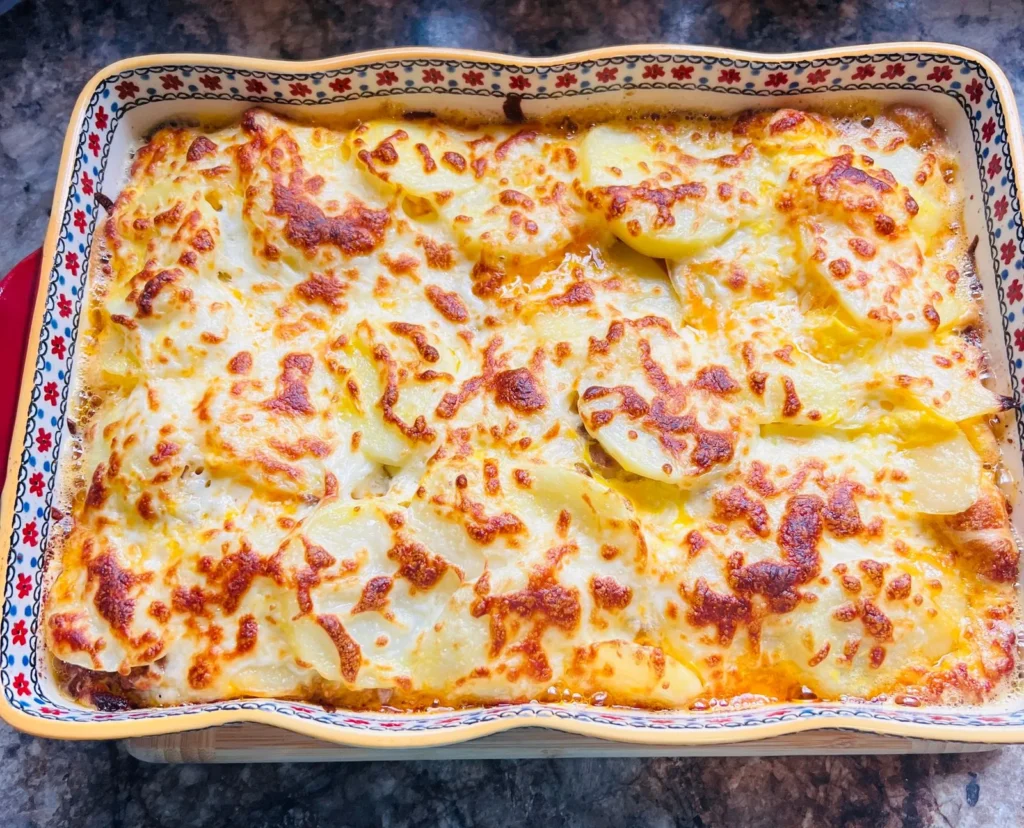

Sweet Potato Breakfast Casserole
Description
A sweet potato breakfast casserole layers thin par-baked sweet potato slices with eggs, breakfast sausage, and cheese for a hot, filling one-pan meal. It feeds six and reheats cleanly through the week, solving busy mornings without sacrificing flavor.
Ingredients
Instructions
-
Heat and par-bake roots
Heat the oven to 180°C / 350°F and brush the sweet potato slices with olive oil on both sides. Lay them in a single layer on a sheet pan and bake 15 minutes until the edges soften but the centers still hold shape and are not crunchy.
-
Brown the sausage
While the roots bake, brown the sausage in a skillet over medium-high heat, breaking it into small pieces. Cook until no pink remains, the bits look golden and crispy, and the internal temperature reaches 71°C / 160°F, about 7 minutes, then drain on paper towel.
-
Lower oven temp
Lower the oven to 175°C / 345°F so the custard sets without curdling during the final bake. This moderate heat keeps the egg mixture from separating while the layers finish cooking.
-
Layer the casserole
Arrange half the par-baked slices across the bottom of a 9x13-inch dish, top with half the sausage and half the cheese. Repeat the layers with the remaining slices, sausage, and cheese so the pan has even distribution.
-
Mix and pour custard
Whisk eggs, milk, salt, pepper, and smoked paprika until uniform in a bowl. Pour slowly over the layers so it seeps to the base and taps the dish so the liquid reaches the bottom without pooling on top.
-
Bake the casserole
Bake 35–40 minutes at 175°C / 345°F until the center reaches just set and a knife inserted comes out clean with no liquid egg. The custard should be firm and the internal temperature of the egg mixture should hit 71°C / 160°F.
-
Cool before slicing
Cool 10 minutes before slicing into six squares so the proteins tighten and the set custard holds square shape. Cutting straight from the oven breaks the custard into ragged pieces.
-
Scatter green onions
Scatter the green onions after baking, not before, so they stay bright and don't wilt into the cheese. The sliced squares are now ready to plate and serve.
Nutrition Facts
Servings 6
- Amount Per Serving
- Calories 350kcal
- % Daily Value *
- Total Fat 22g34%
- Saturated Fat 9g45%
- Cholesterol 240mg80%
- Sodium 620mg26%
- Total Carbohydrate 18g6%
- Dietary Fiber 3g12%
- Sugars 5g
- Protein 22g44%
* Percent Daily Values are based on a 2,000 calorie diet. Your daily value may be higher or lower depending on your calorie needs.
Note
- Storage: Place cooled squares in an airtight container and refrigerate for up to 4 days; cooked egg dishes shouldn't sit out beyond 2 hours at room temperature.
- Make ahead: Rest the assembled casserole in the fridge overnight so the custard absorbs into the roots and slices firmer, as shown in our potato scones brunch board tip.
- Pro tip: Slice sweet potatoes to a uniform 1/8-inch thickness with a mandoline so they cook at the same rate and stay tender.
- Reheating: Reheat refrigerated squares in a toaster oven until steaming hot; do not reheat the same portion more than once.
