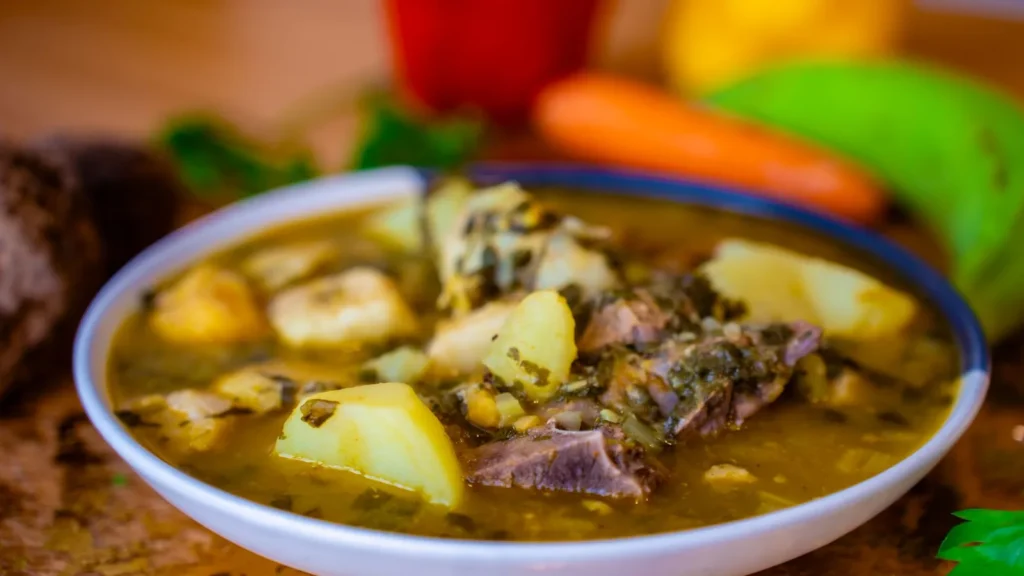

Old fashioned beef stew is a slow-simmered one-pot dinner built on seared chuck, root vegetables, and a thick beef broth. This version skips shortcuts that leave the meat tough and the gravy thin, and instead uses a straightforward browning step and a long gentle simmer. You get fork-tender beef, soft carrots and potatoes, and a glossy broth that coats a spoon.
The method here is built for repeatability. You don’t need special equipment beyond a heavy pot and a wooden spoon, and the active time is under thirty minutes. The rest is hands-off simmering that fills the kitchen with a deep, savory smell. Making this old fashioned beef stew at home is surprisingly straightforward once you know the key steps.
Why You’ll Love These Old Fashioned Beef Stew
- One pot means fewer dishes and a built-in gravy from the same pan.
- Chuck roast becomes tender after a low simmer, not a quick boil.
- The broth thickens from flour and reduced stock, no packet needed.
- Leftovers taste better on day two after the flavors settle.
- It freezes solid for up to three months without losing texture.
Ingredients You’ll Need
- 2 lbs beef chuck roast, cut into 1.5-inch cubes
- 3 tbsp all-purpose flour
- 2 tbsp neutral oil
- 1 large yellow onion, diced
- 3 cloves garlic, minced
- 4 cups low-sodium beef broth
- 1 tbsp tomato paste
- 2 tsp fresh thyme leaves (or 1 tsp dried)
- 2 bay leaves
- 4 medium carrots, cut into 1-inch chunks
- 3 medium Yukon gold potatoes, cut into 1.5-inch chunks
- 1 cup frozen peas
- 1 tsp salt, plus more to finish
- 1/2 tsp black pepper
Ingredient Substitutions
Beef chuck roast: Replace with an equal weight of beef brisket if chuck is unavailable. Brisket has more connective tissue and needs about 30 extra minutes of simmering to soften, and it renders more fat, so skim the top before adding vegetables. Expect a slightly firmer bite and a deeper beef note. The old fashioned beef stew works well for weeknight cooking when time is limited.
Yukon gold potatoes: Use an equal weight of red potatoes with the skin on for a waxier texture. Red potatoes hold their shape better and won’t break down as much, so the stew looks chunkier. You may need to extend the vegetable simmer by 5 minutes for full tenderness. Storing leftover old fashioned beef stew correctly keeps it tasting good for days.
All-purpose flour: Swap with an equal amount of cornstarch mixed into 2 tbsp cold water added at the end. Cornstarch gives a clearer, silkier gravy but won’t brown the meat the same way, so sear first without coating. Stir the slurry in during the last 10 minutes and bring to a gentle bubble to thicken.
Low-sodium beef broth: Use homemade stock or a beef hotpot base diluted to equal volume. Homemade stock adds gelatin that makes the broth richer and more mouth-coating. If using a salty base, cut added salt to 1/2 tsp and adjust at the end.
Step-by-Step Instructions
- Toss the beef cubes with flour, salt, and pepper until lightly coated. Heat medium-high heat with oil in a heavy pot and sear beef in batches until golden and crispy on two sides, about 4 minutes per batch; remove to a plate.
- Lower to medium-low heat and add onion to the same pot, scraping browned bits for 3 minutes until soft. Stir in garlic and tomato paste for 1 minute until fragrant.
- Return beef with juices, add broth, thyme, and bay leaves. Bring to a gentle simmer, cover, and cook 90 minutes until beef yields to a fork.
- Add carrots and potatoes, simmer uncovered 25–30 minutes until a knife slides in with no resistance. Stir in peas for the last 5 minutes.
- Discard bay leaves, taste, and add salt. Rest off heat 10 minutes so the broth thickens slightly before serving.
Pro Tips
Sear in batches so the pot stays hot; crowding steams the meat and blocks browning. For deeper flavor, read about maillard reaction and why a dry surface matters before the beef hits the pan.
Cut vegetables larger than the meat because they cook faster and break down if small. A beef liver addition of 4 oz in step three adds mineral richness if you like old-school dinners.
Skim fat with a spoon after the long simmer if the top looks oily. Use canned beef only in a pinch and reduce broth by one cup since it’s pre-cooked.
Rest the finished stew off heat so the flour settles and the gravy clings. Pair with pumpkin pie for a full cold-weather menu.
Common Mistakes to Avoid
Boiling instead of simmering makes beef stringy because high heat tightens muscle fibers faster than they soften. Keep the surface at a lazy bubble and check every 20 minutes.
Adding potatoes too early turns them to mush while the beef stays chewy. Wait until the meat is fork-tender, then start the 25–30 minutes vegetable clock.
Skipping the flour coating leaves a thin broth that won’t coat vegetables. If you must avoid flour, use the cornstarch slurry noted in substitutions at the end.
Serving Suggestions
Ladle into wide bowls with a slice of crusty bread to soak the gravy. A garlic bread on the side works if you want something softer.
For a lighter plate, serve over mashed cauliflower instead of extra potatoes. A small green salad with vinegar dressing cuts the richness of the broth.
Storage and Reheating
Cool the stew within 2 hours and refrigerate in an airtight container for up to 4 days. Reheat on medium-low heat to 165°F internal, stirring so the bottom doesn’t scorch.
Freeze flat in zip bags for up to 3 months; thaw overnight before reheating. Yes, this freezes well for up to 3 months without the peas turning gray if added fresh after thaw.
Recipe Variations
Red Wine Version
Replace one cup of broth with dry red wine added after onions, boil 2 minutes to cook off alcohol, then proceed. The wine adds tart depth and a darker color to the old fashioned beef stew gravy.
Smoky Paprika Version
Add 1 tbsp smoked paprika with the tomato paste for a campfire edge. Use ground pork 1/2 lb with beef for a softer texture and sweet note.
Guinness Version
Swap one cup broth for stout beer in step three for a malty bitterness that mellows in the simmer. Expect a near-black broth and a fuller body than the standard stock base.
Root Veg Swap
Replace carrots with parsnips and add 1 cup turnips for a more earthy, less sweet pot. These roots hold shape like carrots and need the same 25–30 minutes window.