

An oreo pound cake recipe gives you a dense, buttery loaf packed with crushed chocolate sandwich cookies in every bite. The structure stays tight and moist because the creaming method traps air before the flour goes in. You get a bakery-style result from basic pantry staples and one sleeve of Oreos.
This version uses a standard loaf pan and bakes at a moderate oven temperature so the center sets before the top browns too far. The cookies soften slightly during baking but keep enough texture to read as distinct chunks. It’s a solid make-ahead dessert for a weeknight or a potluck table. If you enjoyed this, our cuisines is worth trying next. Making this oreo pound cake at home is surprisingly straightforward once you know the key steps.
Why You’ll Love These Oreo Pound Cake
- Crumb stays tight and moist for days thanks to the butter-sugar creaming step.
- Cookie pieces stay visible and give a chocolate crunch against the vanilla base.
- One bowl plus a loaf pan keeps cleanup short and the method beginner friendly.
- Freezes cleanly, so you can bake now and serve later without loss of texture.
Ingredients You’ll Need
- 226 g unsalted butter, softened to room temperature — gives the cake its rich, dense base.
- 200 g granulated sugar — sweetens and helps the butter trap air during creaming.
- 4 large eggs, room temperature — bind the batter and lift the crumb slightly.
- 240 g all-purpose flour — provides the structure that defines a pound cake.
- 1 tsp baking powder — keeps the loaf from sinking without making it spongy.
- 1/2 tsp salt — balances the sweetness and sharpens the cocoa notes.
- 2 tsp vanilla extract — rounds the flavor behind the cookie chocolate.
- 150 g Oreo cookies, roughly crushed — the core flavor and texture element.
- 2 tbsp whole milk — loosens the batter to a slow, ribboning drop.
Ingredient Substitutions
Unsalted butter: Replace with an equal weight of salted butter, then drop the added salt from the list. Salted butter browns a little faster at the pan edges and carries a savory note that pairs well with chocolate. The crumb stays the same density, though you may notice a slightly deeper top color by the 45-minute mark. The oreo pound cake works well for weeknight cooking when time is limited.
All-purpose flour: Swap for an equal weight of cake flour to get a more tender, lighter crumb. Cake flour has less protein, so the loaf rises a touch higher and feels less chewy. You lose some of the classic pound cake heft, so it reads more like a snack cake than a true dense loaf. Storing leftover oreo pound cake correctly keeps it tasting good for days.
Oreo cookies: Use 150 g of generic chocolate sandwich cookies if Oreos aren’t available. Store brands are usually a bit sweeter and the creme fills more, so the batter turns slightly softer. Keep the crush coarse so you still get defined pieces after baking.
Whole milk: Replace with 2 tbsp of half-and-half for a richer mouthfeel. The fat level raises the batter viscosity, so it mounds more in the pan before leveling. Bake time stays the same, but the crust picks up a softer sheen. For another easy option, check out our recipe keys.
Step-by-Step Instructions
- Heat the oven to 180°C / 350°F and line a 9×5 inch loaf pan with parchment, leaving an overhang on the long sides.
- Beat 226 g softened butter and 200 g sugar on medium speed for 3 minutes until pale and fluffy, scraping the bowl once.
- Add 4 room-temperature eggs one at a time on low speed, beating 20 seconds after each so the mix stays smooth, not split.
- Whisk 240 g flour, 1 tsp baking powder, and 1/2 tsp salt, then add to the butter mix with 2 tbsp milk and 2 tsp vanilla on low speed until just combined.
- Fold in 150 g crushed Oreos with a spatula, leaving pea-size bits for visible chunks, then scrape into the pan and level the top.
- Bake 50–55 minutes until the top is golden and crispy and a toothpick from the center comes out with a few moist crumbs.
- Cool in the pan for 15 minutes, then lift by the parchment and cool on a rack before slicing with a serrated knife.
Pro Tips
Start with room-temperature eggs so the batter doesn’t seize when they hit the creamed butter. Cold eggs break the emulsion and leave you with a curdled look that bakes into a uneven crumb.
Crush the cookies by hand in a zip bag rather than a processor. You control the size better, and the creaming method already does the fine work for you.
Rest the filled pan on the counter for 10 minutes before baking so the flour hydrates and the top bakes flatter. This small pause cuts the chance of a cracked dome.
Check the cake at 45 minutes with a toothpick; if wet, tent with foil to slow the top while the center finishes. That prevents a dark crust over an underbaked middle.
Common Mistakes to Avoid
Overmixing after the flour goes in builds gluten and turns the loaf rubbery. Stop the mixer the moment streaks disappear and fold the cookies by hand instead.
Using hot melted butter instead of softened butter skips the air-trapping step. You end up with a greasy, flat cake that can’t hold the cookie weight.
Cutting while warm compresses the crumb and smears the cookies into the crumb. A cooled loaf gives clean slices and keeps the chunks distinct. You might also like our image.
Serving Suggestions
Pair a thick slice with strawberry salad to add a fresh, acidic counter to the rich crumb. The fruit cuts the sweetness without needing extra sauce.
Dust the top with powdered sugar or drizzle a thin vanilla glaze for a cleaner look on a dessert plate. A scoop of plain vanilla ice cream beside it melts into the warm crumb if you serve it lightly heated.
For a party board, cube the loaf and stack with nachos on the side for a sweet-savory spread. The salt from the nachos makes the cookie chocolate pop.
Storage and Reheating
Keep the cooled cake in an airtight container at room temperature for up to 3 days if your kitchen stays below 24°C. In warmer homes, move it to the fridge where it holds for up to 5 days.
Freeze whole or sliced in a sealed wrap for freeze for up to 2 months, then thaw at room temperature for 2 hours. A 15-second microwave burst per slice brings back a soft, just-baked feel.
Never leave a cut cake out for more than 2 hours since the dairy and egg content invite bacterial growth. Return leftovers to a closed container as soon as the table clears.
Recipe Variations
Mint Version
Swap 1 tsp of the vanilla for mint extract and use mint Oreos in the same 150 g weight. The loaf takes on a cool note that reads like a thin mint in cake form. Bake time and crumb stay identical to the base oreo pound cake recipe.
Glazed Top
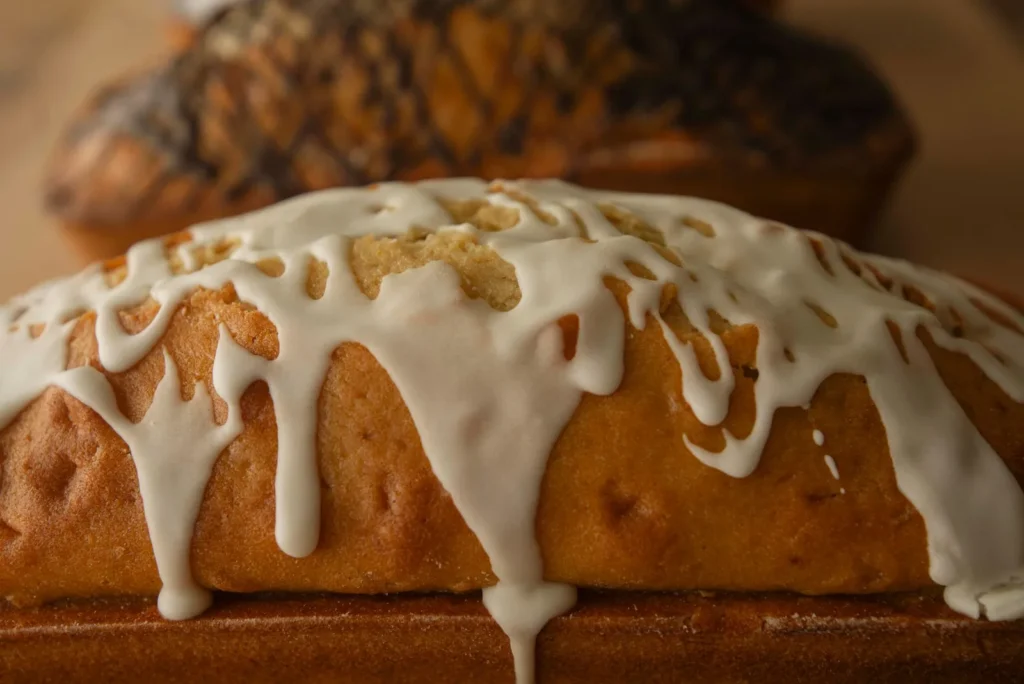
Mix 80 g powdered sugar with 1 tbsp milk and pour over the cooled loaf for a firm white cap. The glaze adds a slight crunch and seals moisture under the surface. Let it set 20 minutes before slicing.
Loaf and Muffin Split
Fill a lined muffin tin halfway with the batter and bake the rest as a loaf for dessert courses of different sizes. Muffins finish in 22–25 minutes at the same oven heat. You get portables plus a centerpiece from one mix.
Cocoa Crumb
Replace 20 g of the flour with unsweetened cocoa powder for a darker base around the cookies. The crumb turns more fudgy and the Oreo pieces stand out visually. Add the cocoa with the dry whisk so it spreads evenly.

Oreo Pound Cake
Description
A dense, buttery pound cake loaf packed with crushed chocolate sandwich cookies in every bite. The crumb stays tight and moist for days thanks to the creaming method and a moderate bake.
Ingredients
Instructions
-
Heat oven and line pan
Heat the oven to 180°C / 350°F and line a 9x5 inch loaf pan with parchment, leaving an overhang on the long sides. This setup lets the loaf bake evenly and lifts out cleanly after cooling.
-
Cream butter and sugar
Beat 226 g softened butter and 200 g sugar on medium speed for 3 minutes until pale and fluffy, scraping the bowl once. The mixture should look light in color and hold soft peaks when the beater lifts.
-
Add eggs one at a time
Add 4 room-temperature eggs one at a time on low speed, beating 20 seconds after each so the mix stays smooth, not split. The batter should remain creamy and emulsified with no curdled appearance between additions.
-
Combine dry and wet
Whisk 240 g flour, 1 tsp baking powder, and 1/2 tsp salt, then add to the butter mix with 2 tbsp milk and 2 tsp vanilla on low speed until just combined. Stop mixing when you no longer see dry flour streaks to avoid building gluten.
-
Fold in Oreos
Fold in 150 g crushed Oreos with a spatula, leaving pea-size bits for visible chunks, then scrape into the pan and level the top. The batter will be thick and the cookie pieces should stay distinct rather than fully broken down.
-
Bake the loaf
Bake 50–55 minutes until the top is golden and crispy and a toothpick from the center comes out with a few moist crumbs. If the top darkens before the center sets, tent with foil at the 45-minute mark to slow browning.
-
Cool in pan
Cool in the pan for 15 minutes, then lift by the parchment and cool on a rack before slicing with a serrated knife. The loaf should feel firm and room temperature before cutting so the crumb stays clean.
Nutrition Facts
Servings 10
- Amount Per Serving
- Calories 350kcal
- % Daily Value *
- Total Fat 19g30%
- Saturated Fat 11g56%
- Cholesterol 95mg32%
- Sodium 280mg12%
- Total Carbohydrate 40g14%
- Dietary Fiber 1g4%
- Sugars 24g
- Protein 5g10%
* Percent Daily Values are based on a 2,000 calorie diet. Your daily value may be higher or lower depending on your calorie needs.
Note
- Storage: Keep cooled cake in an airtight container at room temperature up to 3 days below 24°C, or fridge up to 5 days; never leave a cut cake out more than 2 hours.
- Make it ahead: Rest the filled pan on the counter 10 minutes before baking so the top bakes flatter and the crumb stays even.
- Pro tip: Crush cookies by hand in a zip bag for better size control, and see our chocolate cake recipe for another cookie-friendly bake.
- Reheating: Microwave a slice 15 seconds to soften; do not reheat the same portion more than once for food safety.
